
When you see a dark spot that stays behind after your pimple or insect bite or small wound has healed, you probably have post inflammatory hyperpigmentation (PIH). Our dermatologists encounter this skin condition more frequently than any other, yet many people fail to grasp its actual nature. The guide explains post-inflammatory hyperpigmentation (PIH) by showing its definition, its affected population, and possible treatment options.
What Is Post Inflammatory Hyperpigmentation?
Post inflammatory hyperpigmentation presents as skin darkness which develops after the body experiences inflammatory reactions or tissue damage. The body produces too much melanin after skin damage occurs through acne or rashes or insect bites or cuts or cosmetic treatments. The body produces an excessive amount of melanin which settles in the damaged skin area to create dark spots.
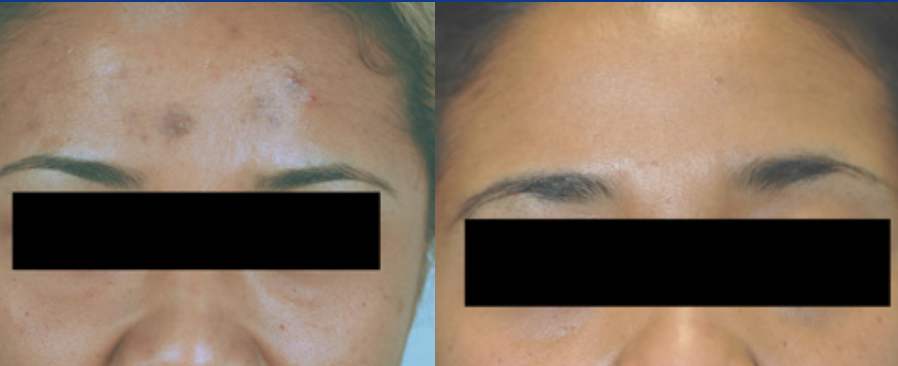
The skin condition PIH forms after particular inflammatory reactions but melasma and sun spots develop through different mechanisms. The skin develops this reaction because of physical damage instead of being caused by hormone problems or long-term sun exposure.
The skin condition of PIH shows up through various colors which include dark brown and black and also display red and pink shades. The reddish tones appear most often in people who have light skin because their skin shows blood vessel changes more clearly.
What Causes Post Inflammatory Hyperpigmentation?
PIH can be triggered by a wide range of skin injuries and irritants, including:
- Acne breakouts one of the most common causes of dark spots on the face
- Cuts, scrapes, and wounds
- Insect bites that are scratched or become inflamed
- Rashes from allergic reactions or skin conditions like eczema
- Burns, including mild sunburns
- Cosmetic procedures such as laser resurfacing, chemical peels, and microdermabrasion, especially when performed incorrectly or on unprepared skin
If you’ve noticed that every time your skin is irritated it turns dark afterward, you’re likely predisposed to developing PIH. This tendency is something many people recognize in themselves early on.
Who Gets Post Inflammatory Hyperpigmentation?
The development of PIH affects anyone but the condition tends to appear most frequently among individuals who have skin tones that range from medium to deep. Skin contains a higher number of active melanocytes which produce pigment so these cells tend to respond strongly when inflammation occurs.
The condition affects all skin tones including those who have lighter pigmentation. The condition presents as PIH which shows up as red or pink skin discoloration that stays on the skin for an extended period of time.
How Long Does Post Inflammatory Hyperpigmentation Last?
People frequently ask this question but the answer depends on multiple factors. PIH naturally disappears within several weeks but most patients experience the condition for more than twelve months when they do not receive medical care.
The skin absorbs pigment molecules at different depths which determines how long the pigment will remain visible. The sun’s rays create an effect which prolongs skin pigmentation fading so people need to use sunscreen as their main defense when treating PIH.
How to Prevent Post Inflammatory Hyperpigmentation
The body develops PIH through genetic factors which doctors cannot stop but they can apply various techniques to minimize the chance of its occurrence.
The skin needs protection every day so you should apply broad-spectrum SPF sunscreen regardless of weather conditions. The skin produces melanin when exposed to UV rays which makes existing dark spots become darker.
Avoid picking or squeezing: People should fight their natural desire to touch acne and scabs and insect bites. The body faces an increased threat of PIH when it experiences additional trauma to an area which already shows signs of inflammation.
Use gentle, non-irritating skincare: People should choose skincare products which protect their skin barrier while providing mild treatment. The skin reacts with inflammation when people use strong exfoliants or products with scents or when they apply too much active substance.
Minimize friction on the skin: The skin develops post inflammatory hyperpigmentation because normal skin contact with tight clothes and face masks and rough materials leads to repeated skin irritation.
Choose experienced, licensed practitioners for procedures: You should select a licensed provider who has skin treatment experience for your specific skin type when you want to get laser treatments or chemical peels or microdermabrasion. These procedures can cause PIH when not performed appropriately.
Even with all precautions in place, PIH can still occur in predisposed individuals. The system needs to reduce threats through its security program to reach its target although it will never achieve absolute security.
Treatment Options for Post Inflammatory Hyperpigmentation
The good news: PIH is very treatable. Here are the most effective options available.
1. Topical Treatments for PIH
Hydroquinone is one of the most studied and effective ingredients for fading hyperpigmentation. It works by inhibiting melanin production in the skin. It’s available in over-the-counter concentrations and in prescription-strength formulas for more stubborn cases.
Other topical ingredients that support PIH fading include:
- Azelaic acid: anti-inflammatory and brightening
- Niacinamide: helps reduce pigment transfer and calm skin
- Vitamin C (ascorbic acid): an antioxidant that brightens and supports an even skin tone
- Kojic acid and tranexamic acid: newer ingredients gaining strong clinical support for pigmentation
Consistency matters. Topical treatments typically require several weeks to months of daily use before visible improvement occurs.
2. Laser Treatments for Post-Inflammatory Hyperpigmentation
Laser therapy stands as the most successful medical treatment which doctors use to treat PIH. The modern laser technology system includes specialized treatment options which handle pigmentation problems while enabling safe treatment for all skin tones including deep skin colors.
Treatment exists as a flexible system which enables patients to select their preferred care options. Your provider can adjust treatment parameters by selecting specific wavelengths and setting precise depth levels and power settings to handle your pigmentation issues while keeping your skin safe. Multiple sessions are required for treatment but patients can watch their condition improve after each session.
A specialist who knows how to handle your skin type should perform all laser treatment procedures. The wrong laser settings will cause hyperpigmentation to spread across dark skin types when they receive treatment for hyperpigmentation.
3. Chemical Peels
Professional chemical peels using glycolic acid, lactic acid, or salicylic acid can accelerate cell turnover and help the pigmented cells shed more quickly. Superficial peels are generally safe for a range of skin tones when done by a skilled provider.
4. Patience and Sun Protection
Sometimes the most powerful treatment is a combination of consistent sun protection and time. Sunscreen prevents the darkening of existing spots and gives your skin the environment it needs to heal. Even if you’re using other treatments, SPF is non-negotiable.
Frequently Asked Questions About Post Inflammatory Hyperpigmentation
1. Is post inflammatory hyperpigmentation the same as scarring?
The skin develops PIH which creates color changes but it does not affect the skin’s physical structure. True scars develop when the dermis tissue sustains damage which results in skin areas that become either elevated or sunken. PIH consists of pigment-related changes which do not affect how the skin surface appears. The current situation brings positive news because PIH spots will disappear completely while actual scars will remain visible.
2. Can post inflammatory hyperpigmentation go away on its own?
Yes, it often does but it may take months to over a year without any intervention. The process of natural fading depends on how deep the pigment lies in your skin and your skin color and your commitment to using sunscreen protection. The treatment process will help patients reach their desired results at a faster rate.
3. Does sunscreen really help with PIH?
Absolutely. The skin produces more melanin after UV exposure which leads to darker spots that stay on the skin for a longer time. The best way to support PIH fading and prevent new spots from forming requires daily use of broad-spectrum SPF 30 or higher sunscreen which should be applied even when inside near windows.
4. Are there laser treatments safe for darker skin tones?
Yes. The current laser technology provides treatment options which work well for people who have medium to dark skin shades. The treatment of deep skin types requires providers who understand the particular needs of these skin types. A skilled practitioner will assess your skin to determine which laser treatment works best because different lasers work better for different skin types.
5. How is PIH different from melasma?
The development of PIH results from a specific injury or inflammatory event which leads to the formation of this condition. Melasma develops because of hormonal shifts which women experience during pregnancy and when using birth control while also being exposed to sunlight which produces symmetrical facial pigmentation. The two conditions show different skin pigmentation problems which result from various causes and need separate medical approaches for treatment.