
A keloid scar produces an annoying condition because it causes pain while staying visible on the skin. The body creates keloids, which develop into elevated, thick skin masses that exceed the size of standard fading scars.
What starts the formation of keloid scars?
The body creates too many healing substances, which leads to this condition. Your body creates collagen as a healing substance, which helps skin wounds to heal. The body keeps making collagen after wound healing, which results in scar tissue growth beyond normal limits to form keloids.
Understanding keloid scar causes is the first step toward prevention and choosing the right treatment.
What Is Keloid Scarring?
Before diving into what causes keloids, it helps to understand what makes them different from normal scars.
A keloid represents a raised scar formation that develops beyond the original skin damage area. These scars appear as smooth shiny firm areas which sometimes show increased pigmentation compared to the surrounding skin tissue.
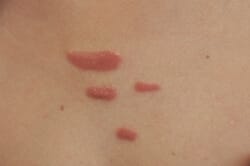
People often confuse keloids with hypertrophic scars, but there is an important difference:
Hypertrophic scars stay within the original wound area
Keloid scars extend their growth pattern from the first wound to affect untouched skin tissue which surrounds the damaged area.
The medical appearance of these conditions along with their expanding nature makes patients seek medical help to achieve both pain relief and better physical looks.
What Causes a Keloid Scar?
The main reason which creates keloid scars stems from abnormal collagen production during wound healing.
The body reduces its collagen production after skin tissue reaches its normal state during the healing process. The body does not turn off its healing process correctly in people who develop keloids. The body produces collagen at a continuous rate which leads to the formation of thick scar tissue that develops throughout the healing process.
The formation of keloids depends on how your body handles wound healing instead of the size of your initial injury.
People who have keloid sensitivity will develop these scars when their skin experiences even small injuries.
Common Causes of Keloid Scars
Many different skin injuries can trigger keloid growth. Some of the most common causes of keloid scars include:
Surgery and Medical Procedures
Keloid scars develop mostly because of surgical cuts which doctors make during operations. People who get stitches or receive deep skin damage during medical procedures face higher chances of developing keloids when their family members have a history of this condition.
You should talk to your doctor before surgery if you have a tendency to develop keloids because they will help you find ways to stop these scars from forming.
Acne Breakouts
The body develops raised scars from inflammatory acne which mostly appears on the chest and shoulders and jawline and back. People seek answers about keloid formation because severe acne leads them to wonder why these scars form without any previous injury.
Ear Piercings and Body Piercings
The main cause of keloids develops from ear piercings which include the piercing of cartilage tissue. People who carry specific genetic factors will develop large raised scars from small puncture wounds.
If you have developed keloids before, you may want to avoid elective piercings or tattoos.
Cuts, Burns, and Injuries
The body develops unusual healing patterns when people get small injuries including cuts and burns and scrapes and stitches.
Keloids can develop from basic injuries which include kitchen burns and sports-related injuries.
Vaccinations and Injections
The body develops excessive scar tissue when medical procedures including shots and vaccines and cosmetic injections create localized damage to the skin.
The medical condition appears in rare instances but it helps doctors understand why keloids develop from unusual sources.
Bug Bites and Skin Irritation
People who have keloids tend to develop scars when they repeatedly scratch their skin or when they get insect bites or experience skin irritation although this occurrence is rare.
Why Do Keloids Form? Genetics Play a Major Role
The development of keloids becomes highly predictable through genetic analysis which stands as their most powerful indicator.
If someone in your family develops keloids, there is a higher chance that you may as well. Studies show that genetic factors determine how people produce collagen after their skin gets damaged.
The genetic connection between these two conditions explains why certain people develop keloid scars but their wound healing process remains typical.
People who have darker skin tones tend to develop keloids more frequently but these scars can occur in anyone no matter what their skin color or ethnic background is.
Can Keloids Form Without an Injury? Understanding Spontaneous Keloids
Spontaneous keloids develop independently from any apparent injury although they happen infrequently.
Some people notice a keloid appearing seemingly out of nowhere. The skin probably experienced small amounts of irritation or hidden damage or inflammatory reaction or rubbing contact which started the healing process.
Because the cause is not always clear, these cases are often described as spontaneous keloid formation.
Medical professionals need to conduct an assessment of your skin when you notice raised scars which do not have a clear explanation because they might indicate different skin problems.
Scar Removal Before and After Photos: What to Expect
When researching treatment options, many people look at scar removal before-and-after photos to understand what improvement may be possible.
These photos can help set realistic expectations, but outcomes vary from person to person.
Treatment results often depend on:
- Scar size and thickness
- How long the keloid has been present
- Location on the body
- Skin type and healing tendencies
- Previous treatments
- Personal genetic risk factors
Because every keloid behaves differently, personalized treatment plans generally produce the best results.
Treatment Options for Keloid Scars
There is no single “best” solution for every keloid. Successful treatment often involves combining therapies to reduce recurrence.
Common treatment options include:
Corticosteroid Injections
Steroid injections work to reduce scar elevation while they also decrease inflammatory responses in the body. This is one of the most commonly used treatments for keloids.
Laser Therapy
Laser treatment helps patients achieve better skin surface appearance because it reduces skin redness and thickened areas while making their scars blend in better with normal skin tissue.
Cryotherapy
Freezing temperature treatment through cryotherapy enables scar tissue reduction but delivers optimal results for treating small keloids.
Silicone Gel or Silicone Sheets
Silicone-based products show scar improvement when users apply them consistently throughout multiple months.
Pressure Therapy
Doctors suggest people who develop keloids from ear piercings to use pressure garments or compression earrings as a treatment option for their affected ear areas.
Surgical Removal
Surgery can remove keloids but patients need to understand that these scars will continue to grow after the treatment. Surgeons perform keloid scar tissue removal together with steroid injections and radiation treatment and other medical interventions to stop the formation of new scar tissue.
When Should You See a Specialist?
You should consult a medical professional about your elevated scar which keeps expanding while producing itching sensations and developing pain and extending past the initial injury site.
The treatment of keloid scars needs to match your individual skin characteristics together with your scar development history and your desired results for the future.
An experienced provider will develop a treatment plan which focuses on reducing scar reappearance while enhancing patient comfort and visual results.
FAQs About What Causes a Keloid Scar
1. What causes a keloid scar to grow larger?
The body continues to generate collagen after wound healing which causes keloids to expand in size. The scar tissue continues to grow past its typical healing process which results in excessive tissue formation.
2. Why do keloids form after small injuries?
Small wounds including acne and ear piercings and bug bites and scratches can lead to excessive scar formation in people who have keloid susceptibility because of their genetic makeup.
3. Can keloids go away on their own?
Keloids will not vanish by themselves so you need to get medical help. Skin lesions tend to stabilize after some time but a number of them will continue to grow while others stay at their original elevated state.
4. Are keloids hereditary?
Yes. Keloid formation mainly results from genetic factors which put individuals at higher risk when their family members have developed keloids.
5. Can you prevent keloid scars?
The prevention of keloid scars remains impossible at all times but patients can reduce their risk through proper skin care and early acne treatment and by discussing prevention strategies before their surgical procedure.