
Menu
Thinking about laser tattoo removal but not sure what to expect? You’re not alone. One of the first things most people do is search for tattoo removal before and after pictures and for good reason. Seeing real results helps you understand what’s possible and what the process actually looks like.
At Celibre, we’ve been helping people in Los Angeles remove unwanted tattoos for over 20 years. Our team uses three different Q-switched lasers and has treated all tattoo colors across all skin types. The results speak for themselves.
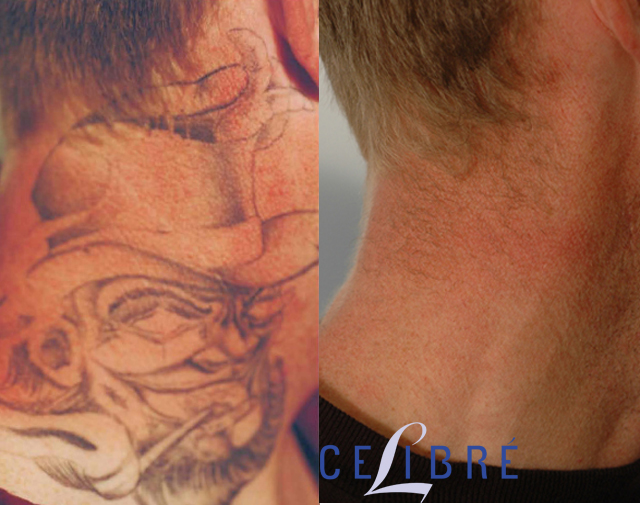

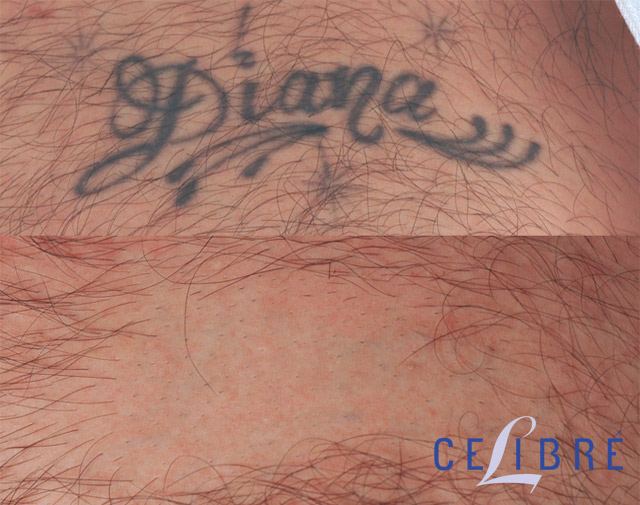
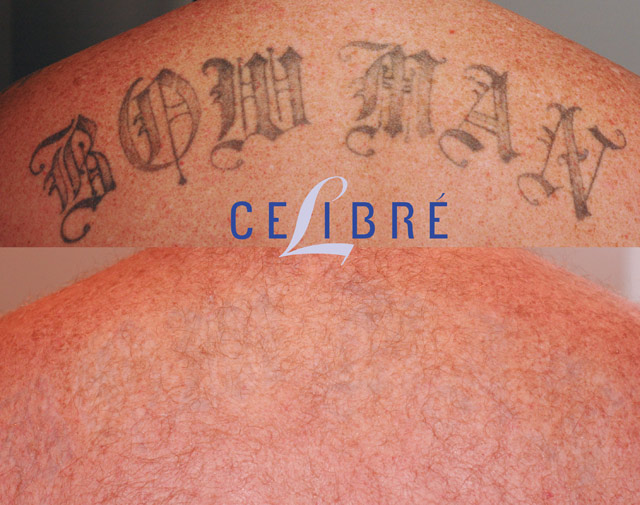
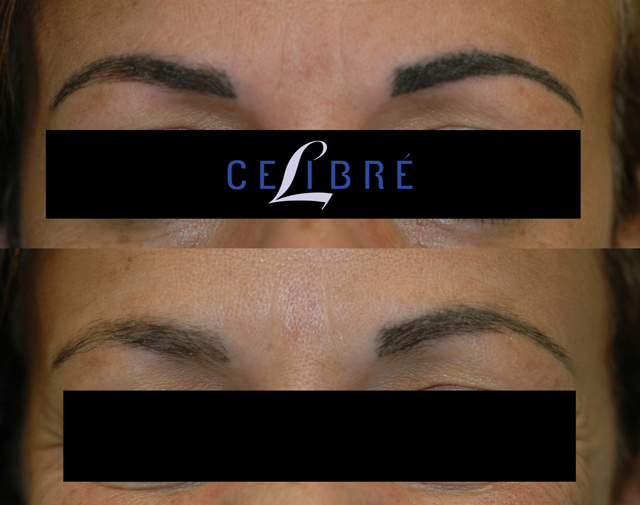

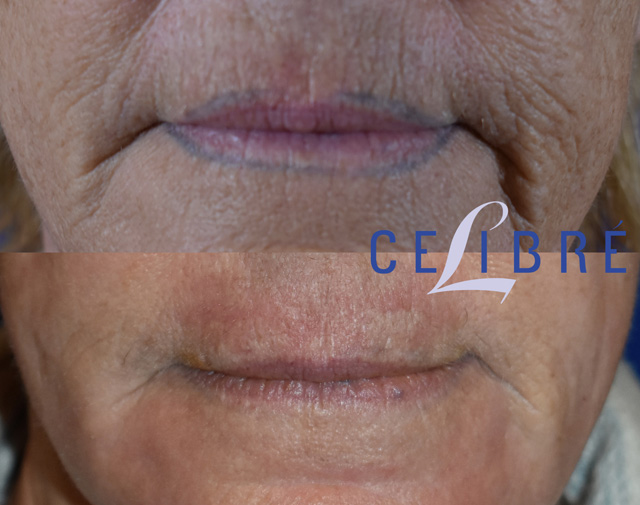
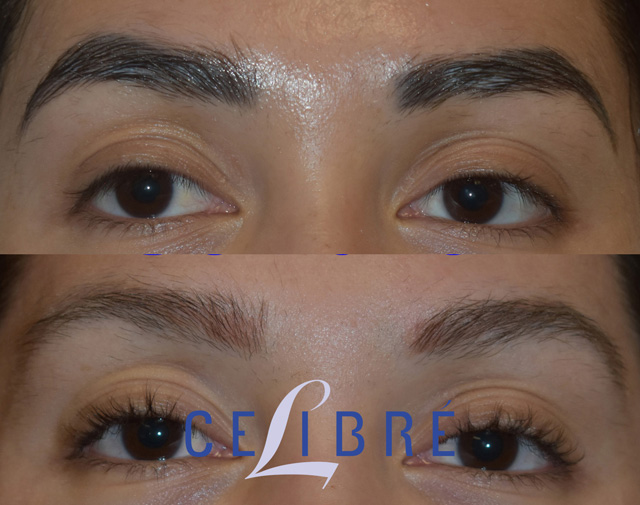
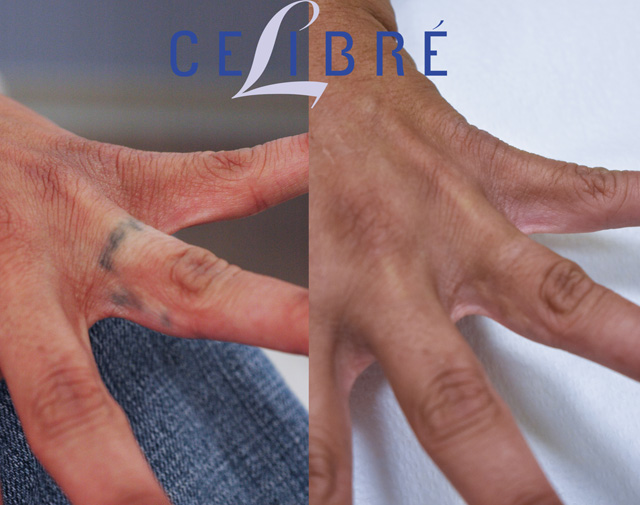
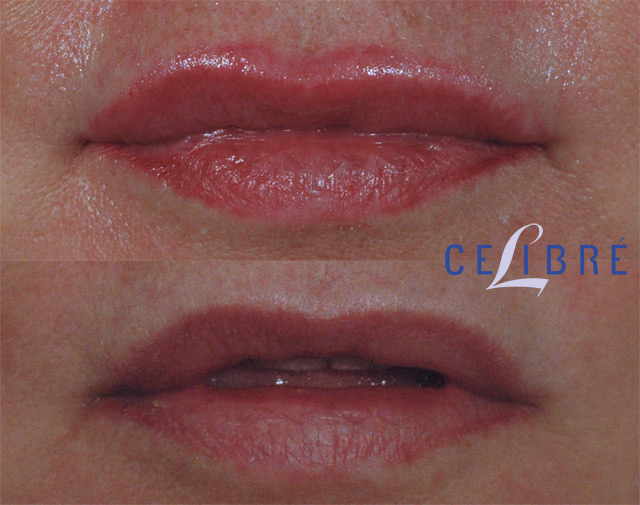
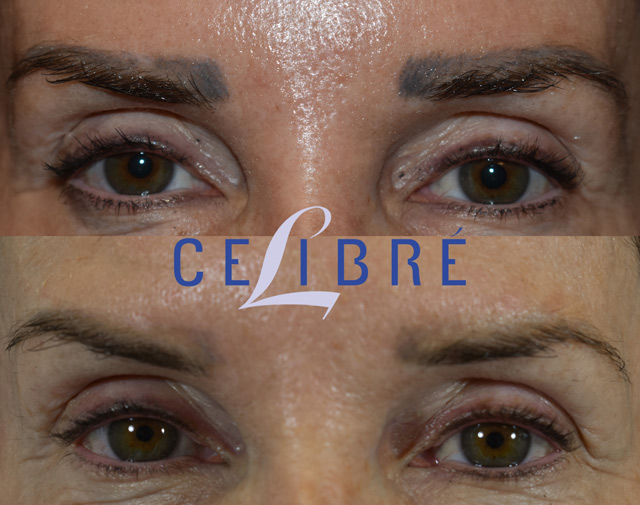
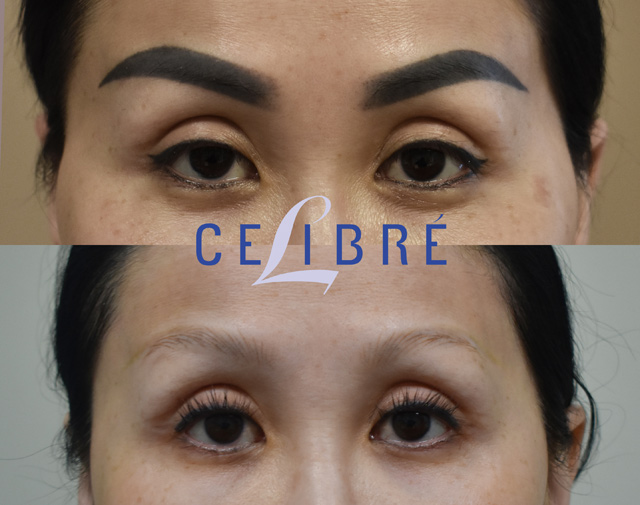
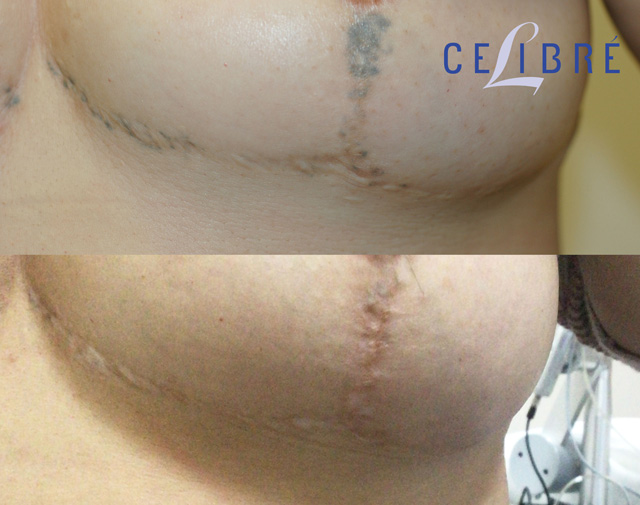
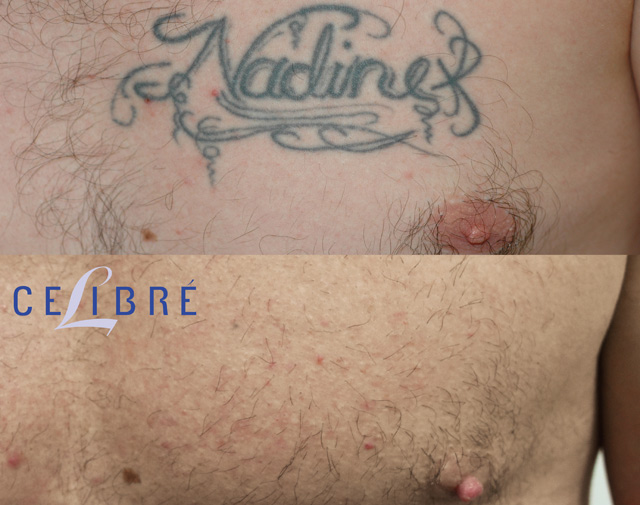
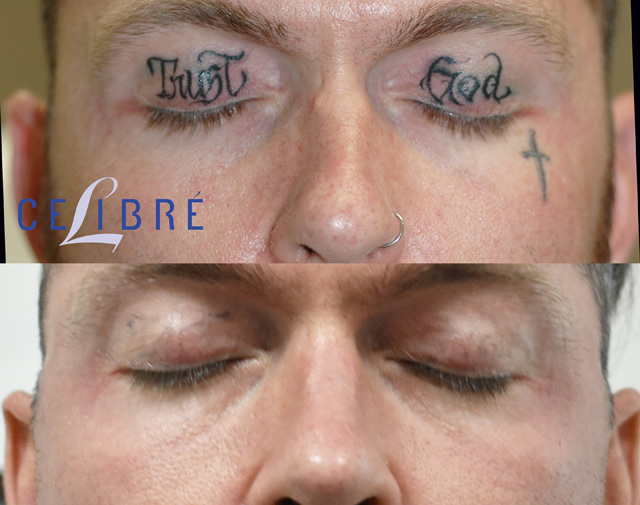

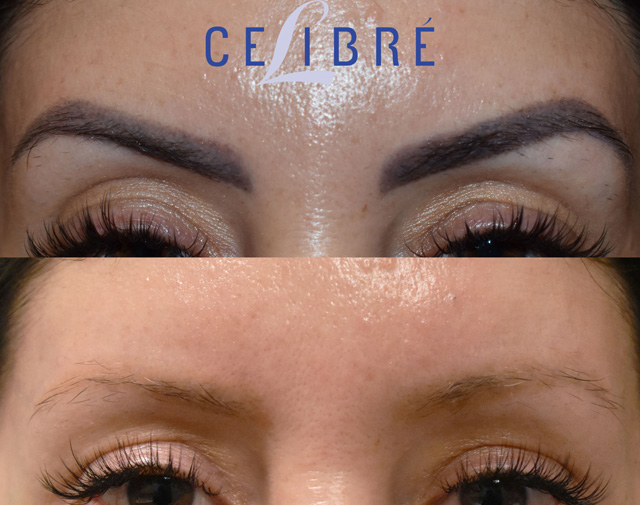
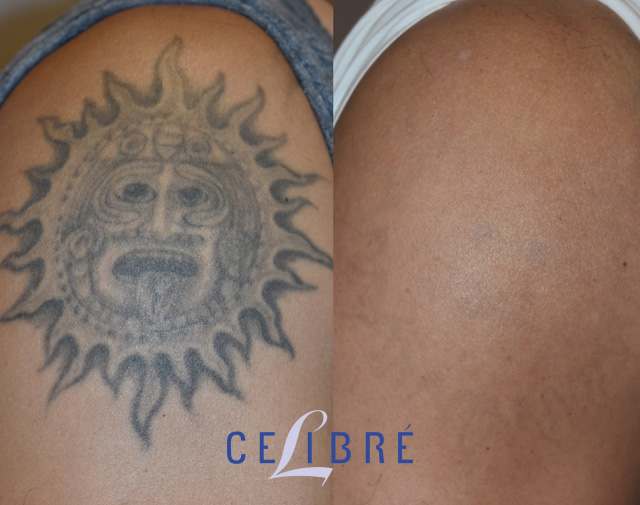
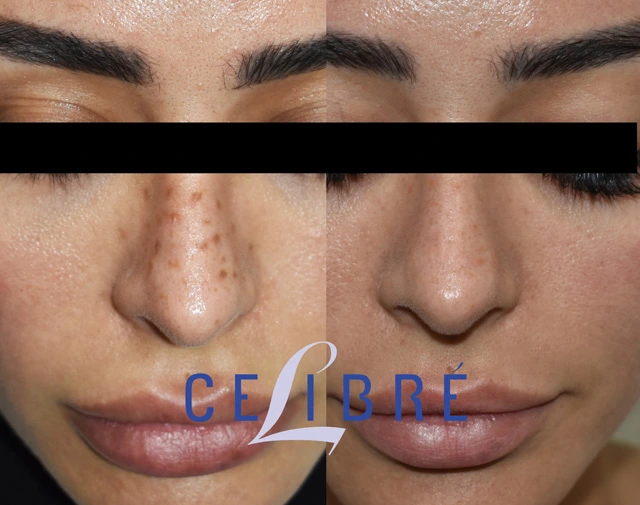
Laser tattoo removal images display various before and after results because each tattoo and every individual body responds differently to the treatment. Some tattoos begin to disappear completely after their first couple of sessions. The treatment process becomes longer when tattoo artists create multi-colored or highly saturated tattoos because these designs need extra sessions for complete removal.
The images from laser tattoo removal treatment show how tattoos fade away through their series of progressive stages which demonstrate the tattoo removal process. The skin regains its original color through the body’s natural process which eliminates the broken ink particles from the tissue. Patients who undergo treatment will experience tattoo fading after their initial three to five sessions and complete tattoo removal requires six to twelve or more treatment sessions based on tattoo characteristics.
The process of tattoo removal affects different tattoos in various ways. The following factors lead to the most noticeable results in your body transformation efforts:
People search for face tattoo removal results which include both the starting point and final outcome because these results hold the most significance for them. The right application of laser treatment produces positive results for facial skin when it comes to permanent makeup that has moved and tattoos which people want to remove.
People need to understand that permanent makeup removal requires the same tattoo removal procedure as regular tattoos but the process leads to pigment oxidation which produces blue and gray and orange shades after the initial treatment. The appearance seems dangerous but this condition occurs frequently without showing any signs of treatment failure. The process of successful clearance remains possible through oxidation effects.
Our clinic displays facial tattoo laser removal results which demonstrate how precise laser treatments enable patients to achieve their natural appearance through eyebrow and lip and full facial clearance.
Here’s a quick breakdown of what to expect by ink color:
The process of removing black tattoos creates the most visible changes which appear to happen at the fastest pace. Black ink absorbs laser energy efficiently, making it the most responsive to treatment.
The process of removing dark tattoos shows positive results through time because the tattoo ink contains mostly dark blue and black pigments.
The process of removing red tattoos through laser treatment seems more difficult than other colors. The laser requires a special wavelength to target red pigment which causes some colors to break down more slowly than others. The process will reach its end but it needs more treatment sessions to complete.
The process of removing color tattoos including green and yellow and purple pigments shows slow progress during the initial stages of treatment. Multi-color tattoos need the most laser wavelength diversity and require patients to undergo multiple treatment sessions.
The process of laser tattoo removal creates physical pain which patients need to endure. The patients expressed that they felt rubber bands snapping against their skin at various points during the treatment. The procedure requires numbing cream application and lidocaine injection before every treatment session because these methods deliver necessary pain control.
The treatment area will develop redness along with swelling and mild blister formation after the procedure. The body shows its usual defense mechanisms which should disappear after several days. The treatment goal requires patients to eliminate all their tattoos while keeping their skin free from dangerous side effects which only experienced professionals can handle correctly.
You can find lasers in many clinics, but not all clinicians are equal. At Celibre, our nurses and physicians have treated thousands of patients across every skin type and tattoo style. That hands-on experience means we know how to adjust settings in real time, protect your skin, and push toward better clearance faster.
If you’ve been searching for laser tattoo removal before and after pictures hoping to find proof it works we’d invite you to look at ours. Then come in for a consultation. We’ll give you an honest assessment of what your specific tattoo will require and what results are realistically possible.
Most tattoos require between 6 and 12 sessions for full removal, though some may need more. The number depends on the size, color, ink density, and your skin type. Each session should be spaced at least six to eight weeks apart to allow your body to clear the broken-down ink.
When performed correctly by an experienced clinician, laser tattoo removal should not cause scarring. The risk increases if the skin is overtreated or if proper aftercare isn’t followed. Blistering is normal and doesn’t necessarily mean scarring will occur.
Yes, but not all colors respond equally. Black and dark blue are the easiest to remove. Colors like green, yellow, and light blue are more resistant and may require specific laser types and more sessions. At Celibre, we use three different Q-switched lasers to address the full spectrum of ink colors.
It can be, but it requires extra care. Darker skin types carry a higher risk of hypopigmentation temporary lightening of the skin especially when removing non-black inks. An experienced provider will use appropriate settings and spacing to reduce this risk.
Yes. Permanent makeup is removed using the same laser process as traditional tattoos. However, some permanent makeup pigments can oxidize during treatment, temporarily turning a different color. This is manageable and doesn’t prevent successful removal. If you’re considering facial tattoo laser removal, it’s important to choose a clinician who has specific experience with permanent makeup and facial skin.