
Have you noticed tiny, stubborn white bumps on your face that just won’t go away? You aren’t alone. Skincare professionals face difficulties when they try to identify the differences between closed comedones and milia.
The two conditions share visual similarities but they exist as separate biological entities which need different medical approaches for treatment. Doctors who fail to identify these conditions properly will provide wrong treatments which might cause lasting skin damage. This expert guide will help you understand two common skin issues which people frequently encounter.
What is Milia? (The Keratin Cyst)
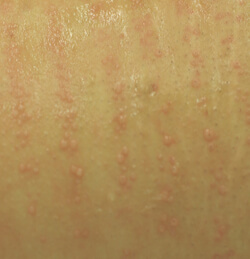
Milia are small, pinpoint white bumps which tend to develop on facial areas with high oil production especially near the eyes and on the cheeks. The formation of milia differs from regular blemishes because they contain no oil or bacterial contamination. These small cysts exist as keratin-filled structures which form from the skin’s natural keratin protein.
Why They Form
Milia develop when skin cells that have died become stuck in tiny compartments which exist close to the outer layer of the skin instead of their normal path of exfoliation. They appear in half of all newborn babies yet these growths also show up in children who grow into teenagers and then become adults.
- The Feel: They are usually firm to the touch.
- The Look: Persistent, “pearl-like” white bumps that do not have a visible pore or “head.”
How to Treat and Remove Milia
People who have oily skin tend to develop these types of bumps more frequently. Skin surface maintenance requires you to choose products which contain glycolic acid (AHA) or retinols for prevention.
The best method to remove existing milia requires professional extraction. The practice of forceful home extractions has resulted in multiple patients developing icepick-type acne scars according to our observations. The Q-switched laser system operates as a modern treatment alternative which works with topical products to remove skin issues without causing the damage that manual squeezing would produce.
Understanding Closed Comedones (Comedonal Acne)
The discussion about milia versus closed comedones moves from cysts to study a particular type of acne. A closed comedone is often referred to as a “whitehead.”
The skin surface contains an open comedone which forms blackheads because oxygen contact causes oil to turn black but closed comedones remain hidden beneath skin tissue. The oil plug stays protected because the skin forms a barrier which prevents air exposure so it remains white or flesh-colored.
Why They Form
The block which forms inside hair follicles results from sebum oil combining with dead skin cells to create this condition.
- The skin shows small flesh-colored bumps which create an uneven surface texture.
- The Risk: These lesions will develop into inflamed papules and nodules and cysts which cause pain when someone fails to treat them or when they continue to get worse.
How to Get Rid of Closed Comedones
Treatment for comedonal acne relies on a strict, consistent skincare regimen:
- Daily Exfoliation: Daily use of glycolic acid or retinols helps gently dislodge the plugs.
- Chemical Peels: These treatments start the process for difficult cases through their ability to cause deeper skin exfoliation.
- Laser Therapy: Light-based treatments help control bacterial growth while they reduce oil production which makes acne resistant to treatment.
Comparison Table: Milia vs. Closed Comedones vs. Acne
| Feature | Milia | Closed Comedones | Inflammatory Acne |
| Contents | Trapped Keratin | Trapped Sebum (Oil) | Oil, Bacteria, & Pus |
| Pore Opening | None (Cyst) | Clogged/Closed | Clogged & Inflamed |
| Common Areas | Eyes, Cheeks, Nose | Forehead, Chin, Face | Anywhere on the face/body |
| Inflammation | No | Minimal | High (Redness/Pain) |
| Best Treatment | Extraction or Laser | AHA/Retinoids | BHA, BP, or Lasers |
Why “DIY” Extractions are Risky
People develop an uncontrollable desire to squeeze their skin when they have milia compared to pimples or when they have milia instead of comedones. People need to understand that extracting comedian acne lesions from their skin at home should never happen. The skin condition develops worsening inflammation which creates permanent scars throughout the tissue.
The initial diagnosis of your skin disorder stands as the most essential step which you must complete. The treatment of milia through acne medication fails to produce results while skin damage occurs when acne gets treated as if it were milia.
Frequently Asked Questions (FAQ)
1. Can I use a pimple patch on milia?
Generally, no. Pimple patches (hydrocolloid bandages) work by drawing out moisture and pus from inflamed acne. Since milia are hard, closed keratin cysts, a patch won’t be able to “pull” anything out.
2. How do I know if it’s milia or fungal acne?
Milia are usually scattered and feel like hard grains of sand. Fungal acne (pityrosporum folliculitis) usually appears as clusters of very small, itchy, uniform red bumps, often on the forehead or chest.
3. Why do I keep getting closed comedones on my forehead?
The forehead has a high density of oil glands. Hair products, sweat, or heavy moisturizers can easily clog these pores. Using a glycolic acid toner can help keep this area clear.
4. Is milia considered a form of acne?
No. While they are often grouped together in skincare discussions, milia are not a type of acne. They are tiny skin cysts. This is why standard acne treatments like benzoyl peroxide often fail to clear milia.
5. Are sebaceous filaments the same as comedones?
No. Sebaceous filaments are a normal part of skin function; they look like small greyish dots on the nose and help channel oil to the surface. Comedones are actual “plugs” that block that oil flow.