
When patients come to us wanting to restore lost volume in their face, one question comes up again and again: should I get dermal fillers or fat injections? It’s a fair question. Both treatments aim to do the same thing, which is to bring back fullness and help you look refreshed. On the surface, they seem pretty similar. But the way they work, and the experience you’ll have, are very different.
Here’s what you should know before you decide.
Fat Injections: A More Invasive Process
With fat injections, the fat has to come from somewhere first. That means it must be taken from another part of your body, usually the abdomen or thighs, before it can be injected into your face. It sounds simple, but it’s actually a surgical procedure.
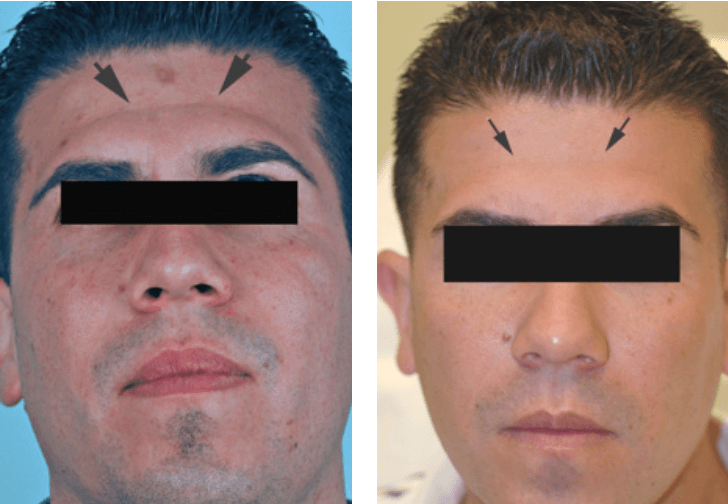
The fat is removed using a cannula, a thin tube that works a bit like a straw. Because harvesting fat can be uncomfortable, you’ll need anesthesia. Even with numbing, some patients still find the process painful. Not every area of the body works well as a donor site, either. Moving fat from where you don’t want it to where you do is more complicated than it sounds.
Every step matters. The fat has to be harvested, processed, and reinjected carefully so the transferred cells can survive in their new location. Even when everything is done right, it’s hard to predict exactly how much of the fat will take. Some of it is usually reabsorbed by the body, so results can vary from person to person.
Are Fat Injections Permanent?
We hear this one a lot: “Why would I choose a temporary filler when fat injections are permanent?” The honest answer is that fat injections aren’t truly permanent either.
The fat cells that survive the transfer can last for several years. But a portion of the injected fat is often lost in the first few months, and many patients notice their results shrinking over time. Your face also keeps aging, so volume loss continues no matter which treatment you choose. Fat injections can last longer than fillers for some people, but they aren’t a once-and-done fix.
Drawbacks of Fat Injections Compared to Dermal Fillers
When you put the two side by side, fat injections come with a few clear disadvantages.
Risk of Lumpiness
Even with excellent technique, fat can settle unevenly and leave lumps or bumps under the skin. Dermal fillers are more forgiving and tend to give smoother, more predictable results.
More Downtime and Swelling
Fat injections usually mean more swelling and a longer recovery. You’re also healing in two places: your face and the area where the fat was removed. Fillers don’t come with that extra recovery, so most people get back to their normal routine right away.
Results Can’t Be Reversed
Once fat is injected, there’s no easy way to undo it. If you don’t like how it looks, you can’t simply dissolve it. Most hyaluronic acid fillers, on the other hand, can be dissolved if there’s a problem, a side effect, or you just aren’t happy with the outcome.
Less Precision and Control
Fillers have a smooth, gel-like texture. Your injector can place them exactly where they’re needed and gently mold them afterward for a natural finish. Fat simply doesn’t offer that same level of control.
Limited Structural Support
Fillers do more than add volume. Many are designed to lift and support the face, helping define areas like the cheeks, jawline, and chin. Fat adds volume, but it doesn’t provide much of that structural lift.
Dermal Fillers: A Minimally Invasive, Versatile Option
So which one is right for you? It really depends on your goals. That said, for most people, dermal fillers offer a more precise and predictable result.
Fat injections still have their place. If you need a large amount of volume and don’t mind a longer recovery, fat transfer can sometimes be more cost-effective than buying many syringes of filler. But those situations aren’t very common.
For most patients, dermal fillers are the better fit. They’re injected through a fine needle or cannula, with no incisions and very little downtime. You get added volume and structural support in one treatment. Fillers don’t last as long as fat, but many modern fillers can last from several months up to around two years, depending on the product and the area treated. That makes them a practical and cost-effective choice.
Final Thoughts
Whichever treatment you’re considering, it’s worth weighing the risks, benefits, expected results, and how long they’ll last. Knowing what each option can realistically do for you makes it much easier to choose the one that fits your aesthetic goals.
Not sure which is right for you? Book a consultation at Celibre Medical Corporation, and we’ll help you find the best option for your face and your goals.