
If you’ve ever wondered, “Can teeth grinding cause migraines?”—the answer is yes, it can. Many people don’t realize that chronic jaw tension and clenching, also known as bruxism, can trigger migraines, headaches, and even neck or shoulder pain.
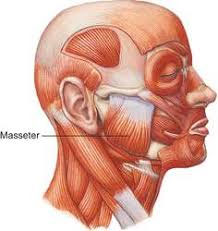
When I meet patients seeking injections like Dysport, Botox, or fillers, I always look for signs of muscle tension. Most people recognize upper-face tension as a furrowed brow, but chronic stress often shows up in the lower face as well. This can look like a dimpled chin, downturned mouth corners, or a puckered chin area. The most affected spot, though, is usually the Masseter muscle—the main muscle responsible for chewing.
How the Masseter Muscle Affects Migraines
The Masseter muscles are located in front of the ear and extend down to the jawbone. For people who grind or clench their teeth, these muscles become overworked and enlarged, creating a wider or more square-looking jawline.
But appearance isn’t the only concern. Many people with large or tight Masseter muscles also experience migraines, tension headaches, or pain in the neck and shoulders. Some even see neurologists for migraine treatment or receive Botox injections in the upper face, scalp, or neck to relieve chronic pain—often without realizing the root cause may be jaw tension.

Uncovering the Link Between Teeth Grinding and Migraines
Unfortunately, many healthcare providers overlook the connection between migraines and teeth grinding. Few ask whether patients clench or grind their teeth at night, and even fewer examine the Masseter muscle for signs of overuse.
When these muscles are tight and strained, they can send radiating pain signals along the neck and shoulders, mimicking or worsening migraine symptoms. Addressing the muscle tension itself can make a major difference.
How Botox or Dysport Can Help
Injecting Botox or Dysport into the Masseter muscles can help relieve tension and pain caused by teeth grinding. Patients often notice migraine relief within a few days, along with a softer jawline appearance after a few weeks.
For many, understanding that teeth grinding can cause migraines is a breakthrough. Once the underlying cause is treated, both pain and aesthetic concerns can improve significantly.
Conclusions
If you frequently wake up with headaches, jaw pain, or tightness in your neck and shoulders, it might be time to ask yourself: Can teeth grinding be causing my migraines? Addressing the issue early can bring long-term relief—not just for your comfort, but for your confidence too.