
The skin develops an uneven appearance because of large pores, which create oily and rough textures around the nose, cheeks, and forehead area. The lack of success with your serum, mask, and exfoliant treatments probably makes you question if laser therapy will help you reduce your pores.
The short answer is yes, laser technology can significantly reduce the appearance of enlarged pores. The treatment requires patients to understand its operational principles, predicted outcomes, and suitability for their particular skin condition before they begin the process.
This guide provides complete information about laser therapy, which helps people with big pores through its various treatment choices, its expected results, healing period, and actual treatment outcomes.
Why Do Pores Look Large?
Before understanding how a laser for pores works, it helps to know why pores become more visible in the first place.
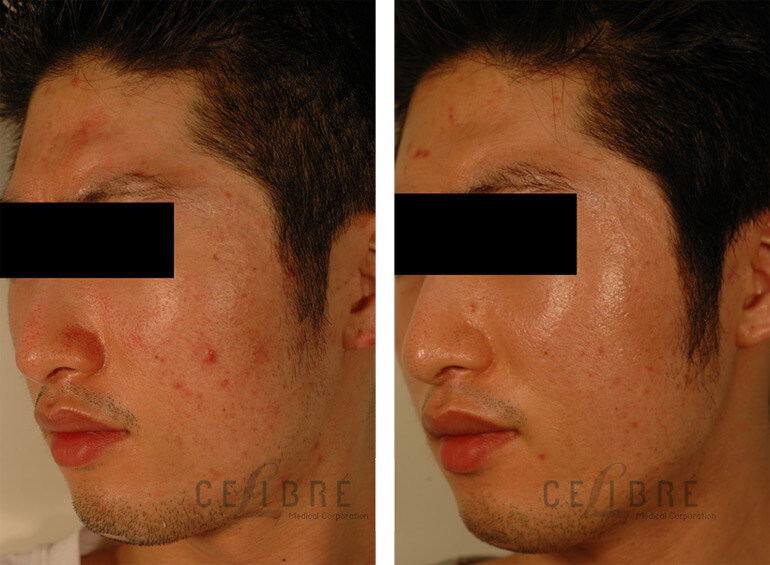
The skin contains small openings which serve as pores to discharge both oil and sweat products. All humans possess pores, but genetic factors determine which individuals will develop larger pores. The skin shows larger pores as time passes because of various elements that affect its appearance.
Excess Oil Production
Oily skin tends to stretch pores over time. The skin shows bigger pores when its pores produce too much sebum because this condition persists.
Aging and Collagen Loss
The skin develops larger pores because its collagen production decreases when people get older. The skin loses its firmness and elasticity, which causes the tissue that wraps around pores to become weak, so they look more stretched out.
Sun Damage
The skin experiences permanent damage from ultraviolet radiation because this exposure destroys its collagen and elastin structures which leads to loose skin and bigger pores.
Acne and Congestion
The process of skin breaking out repeatedly while experiencing blocked pores results in permanent expansion of pore walls which makes them more noticeable.
The skin surface becomes the main target of topical products which fail to provide remarkable results because they do not stimulate deep skin collagen formation.
How Does Laser Treatment for Pores Work?
Laser treatment for facial pore reduction delivers precise thermal power deep into skin tissues to generate controlled thermal effects which minimize pore size. The treatment activates the body to produce collagen which results in enhanced skin regeneration.
The body creates more collagen which leads to skin developing increased firmness and tightness. The body develops additional tissue to support its expanded pores which results in reduced visibility of these enlarged skin openings.
The process of laser treatment works to enhance skin texture instead of removing pores because it creates an appearance of reduced pore size and improved skin definition.
Most patients notice additional benefits beyond pore reduction, including:
- Smoother skin texture
- Improved skin tone
- Firmer-looking skin
- Reduced acne scarring
- Better overall skin clarity
This makes laser treatment for pore reduction especially popular for people dealing with multiple skin concerns at once.
Best Laser Treatment for Large Pores
Not all lasers work the same way. The best laser for large pores depends on your skin type, sensitivity, downtime preference, and overall skincare goals.
Fractional Laser Resurfacing for Large Pores
Laser skin resurfacing for large pores is one of the most effective options available.
Fractional lasers create tiny controlled micro-injuries in the skin while leaving surrounding tissue untouched. This triggers collagen repair and speeds healing.
Benefits include:
- Noticeably refined pores
- Improved skin texture
- Reduction in acne scars
- More even skin tone
Fractional laser resurfacing is often recommended for moderate to severe pore concerns.
Erbium Laser for Enlarged Pores
The erbium pore laser treatment delivers skin resurfacing through precise methods that result in shorter recovery periods when compared to powerful laser treatments.
People choose this method because it delivers skin-smoothing benefits and reduces pores while they get back to their normal activities at a fast pace.
Non-Ablative Laser for Pore Reduction
The non-ablative laser treatment stimulates skin collagen production through its ability to perform this function without causing damage to the skin surface. These treatments provide a gentler approach, which leads to shorter recovery times.
The process takes longer to produce results, but it works well for people who want to improve their skin in a gentle way while treating sensitive skin.
Does Laser Reduce Pore Size Permanently?
People want to know if laser treatments will make their skin pores disappear forever because this question receives the highest number of searches.
The truth about laser treatments shows they reduce skin pore visibility, yet they fail to remove skin pores from permanent existence.
The human body needs pores to maintain its healthy skin condition because these structures serve as essential elements.
The skin produces oil through these structures while they also produce sweat so doctors cannot eliminate these structures completely or make them disappear for good.
The treatment of skin pores through laser therapy produces permanent results because it stimulates collagen production which leads to better skin texture and enhanced skin tightness.
Patients who follow correct skin care practices and schedule follow-up treatments for maintenance will see their treatment results continue to show for several months up to multiple years.
What to Expect During Laser Resurfacing for Large Pores
If you’re considering laser resurfacing for large pores, knowing what the process looks like can ease anxiety.
During Treatment
A provider typically applies numbing cream before treatment to increase comfort.
Most people describe the sensation as:
- Mild warmth
- Tingling
- Light snapping against the skin
Treatment usually takes between 20–60 minutes depending on the area being treated.
After Treatment
You may experience temporary:
- Redness
- Mild swelling
- Dryness or peeling
Recovery time depends on the type of laser used. Gentler treatments may require only a few days, while deeper resurfacing procedures may involve a week or more of downtime.
Results generally improve over several weeks as collagen production increases.
Can Laser Shrink Pores Better Than Skincare Products?
Skincare products work to reduce the visibility of pores but they usually come with various restrictions.
The combination of retinoids with glycolic acid and salicylic acid and niacinamide helps people achieve better skin texture while maintaining clear pores. The products function by treating only the outer part of the skin.
The laser for pore reduction activates skin collagen production at deep levels which helps fight against the main factor that causes pores to become large.
The combination of professional laser treatment with medical-grade skincare products produces the best long-term results for most people.
How to Maintain Results After Laser Treatment for Pores
To keep pores looking smaller after treatment, consistency matters.
Here are expert-backed ways to maintain your results:
Wear Sunscreen Daily
The breakdown of collagen by UV damage results in larger pores which become more noticeable during the aging process.
Use Retinoids
Retinoids help stimulate collagen production while they accelerate the process of skin cell replacement.
Keep Skin Exfoliated
The process of gentle exfoliation helps stop skin buildup which would otherwise cause pores to expand.
Stay Consistent With Treatments
Patients need periodic maintenance treatments to maintain their treatment results from previous sessions.
Laser treatment for enlarged pores will show its best results when you follow proper skin care practices which include healthy skin routines.
Final Thoughts on Laser Treatment for Pores
People who want to solve their pore enlargement problem can find laser treatment to be an excellent solution. The laser technology performs skin enhancement by generating collagen production, which results in skin tightening and improved surface texture, but it fails to eliminate pores permanently.
The best results come from choosing the right treatment plan for your skin type and combining laser therapy with a strong skincare routine.
People who want to improve their skin appearance through laser treatment can benefit from this procedure because it reduces pore visibility and enhances skin health.
Frequently Asked Questions
1. Does laser treatment reduce pore size?
The treatment of pores through laser technology generates skin-tightening effects, which produce collagen that helps reduce large pore visibility.
2. What is the best laser for large pores?
The treatment of enlarged pores through fractional laser resurfacing stands as the most successful method, but the best solution depends on individual skin needs and specific concerns.
3. How many sessions of laser treatment for pores are needed?
Most patients should plan for three to six treatment sessions to reach their best results because doctors create different treatment schedules according to how severe the pores are and which laser system they use.
4. Does laser treatment for pores hurt?
Most people report only mild discomfort. The medical staff members apply numbing cream before treatment to help patients feel more comfortable during their procedures.
5. Can laser treatment for pores also improve acne scars?
Yes. The skin treatment through laser technology provides multiple advantages because it helps reduce both acne scars and uneven skin texture and fine wrinkles.