
Acne scars continue to affect skin appearance and texture even after active breakouts have disappeared. Topical treatments, including creams and skin products, help improve skin health, but patients need advanced treatments to address their deep acne scars. The Laser For Acne Scars treatment stands as the best current solution because it focuses on particular types of scar tissue, skin discoloration, and irregular skin surface.
All acne scars present with different characteristics. The treatment of various scar types needs specialized laser systems that operate differently from one another. Patients who grasp laser treatment principles will select the most suitable method to achieve their goal of having smooth, clear skin.
Different Lasers for Different Types of Acne Scars
Because acne scars develop in different ways, there is no single laser treatment that works for every type of scar. Some scars create uneven texture, while others leave behind redness or dark pigmentation.
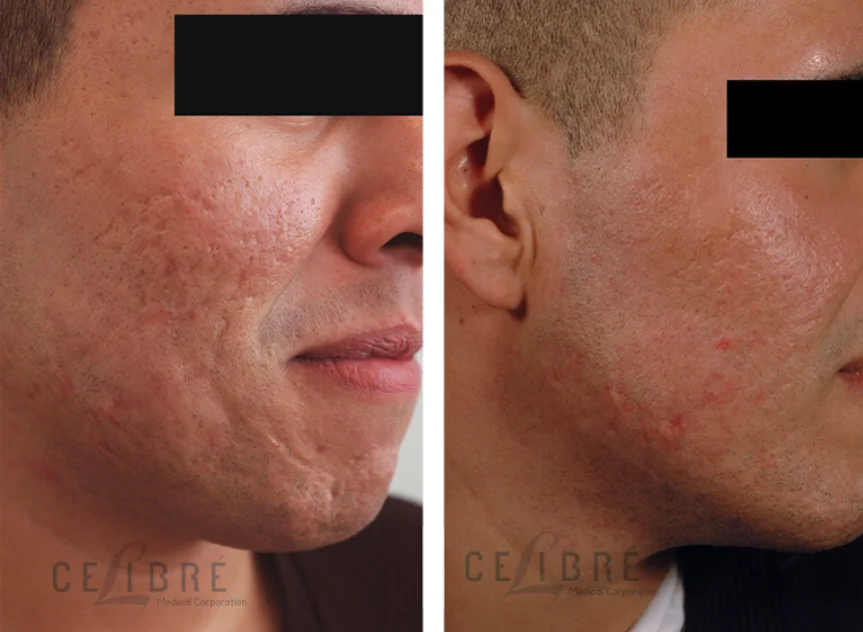
The three common types of lasers used for acne scar improvement include:
- CO2 and Erbium lasers – Used for textured acne scars and skin resurfacing
- Pulsed dye lasers – Used for red acne scars caused by visible blood vessels
- Q-switched lasers – Used for darker pigmented acne marks
Each laser works differently by targeting the specific cause of the scar’s appearance.
Laser For Acne Scars: Treating Uneven Skin Texture
Textured acne scars develop when collagen tissue under the skin gets damaged, which results in depressed scars and uneven skin surface. The medical field uses CO2 and Erbium laser resurfacing treatments to treat these particular acne scar formations.
The lasers operate through two main methods, which either eliminate skin damage by cutting its surface or create controlled skin injuries by using fractional laser technology for precise treatment. The process activates the body’s natural healing system, which creates fresh collagen when it activates the healing mechanisms of the body.
The body produces new collagen which replaces dense scar tissue with skin that appears more normal and smoother. The skin will develop an even tone during the healing process because scars become less visible while their borders fade and their size decreases.
The process of removing all textured acne scars proves to be difficult yet laser resurfacing treatment shows substantial results in scar reduction. The treatment results become visible after patients complete several treatment sessions which depend on their scar characteristics and their age and their treatment history.
Laser Treatment for Red Acne Scars
Acne scars develop red marks because the skin creates small blood vessels during its natural tissue repair process. The body directs additional blood flow to repair injured tissue which leads to skin discoloration that mostly affects people with light skin tones.
Doctors use pulsed dye laser treatments to treat patients who suffer from this particular type of skin redness. The laser energy interacts with hemoglobin molecules which exist within the blood vessels. The laser energy heats these tiny blood vessels which leads to their removal and produces a decrease in skin redness within the treated region.
The process helps skin achieve uniform tones which hides the red spots that appear after acne heals.
Laser Treatment for Brown or Dark Acne Marks
For individuals with darker skin tones, acne inflammation may trigger excess melanin production. The skin develops brown spots which medical professionals call post-inflammatory hyperpigmentation (PIH).
The Q-switched laser technology enables treatment for pigmented acne scars through its ability to focus on skin melanin accumulation. The laser breaks down foreign skin pigments into tiny fragments which the body eliminates through its natural clearance process.
The fading process of pigmentation leads to skin development which results in a uniform and steady appearance.
Other Acne Scar Treatment Options
Although Laser For Acne Scars is an effective solution for many patients, some scars respond better when laser therapy is combined with other treatments.
Additional acne scar treatment options may include:
- Subcision with dermal filler injections to lift depressed scars
- Punch excision for certain deep scars
- Dermabrasion procedures for surface improvement
A customized treatment plan often produces the best results because acne scarring can involve multiple layers of skin damage.
Choosing the Right Laser For Acne Scars
Medical professionals select the best laser treatment based on scar characteristics and skin pigmentation and what patients want to achieve. The treatment of textured scars, red marks and dark pigmentation needs specialized medical strategies.
The treatment of each scar type requires advanced laser technology which produces better skin texture and enhanced pigmentation and lower acne scar visibility.