
Botox has developed into one of the leading non-surgical cosmetic procedures that people use to remove wrinkles while they obtain a rejuvenated, youthful look. People who want to start Botox treatments need to understand the time duration that Botox needs to show its first results. People should learn about Botox start times because they need to schedule their injection sessions at proper moments when they prepare for weddings, vacations, reunions, and other important occasions.
Botox delivers excellent wrinkle reduction results but requires users to wait for its effects to manifest. The medication works to relax specific muscles through a process that spans multiple days until it achieves its goal of reducing dynamic wrinkles and fine lines. Each patient reacts differently to treatment, but doctors can reduce patient stress about the process through proper education.
The guide provides information about Botox start times and shows the differences between Botox and Dysport products. It also explains how long the results will last and what side effects might appear. The guide provides guidance for patients who need help with their Botox treatment results.
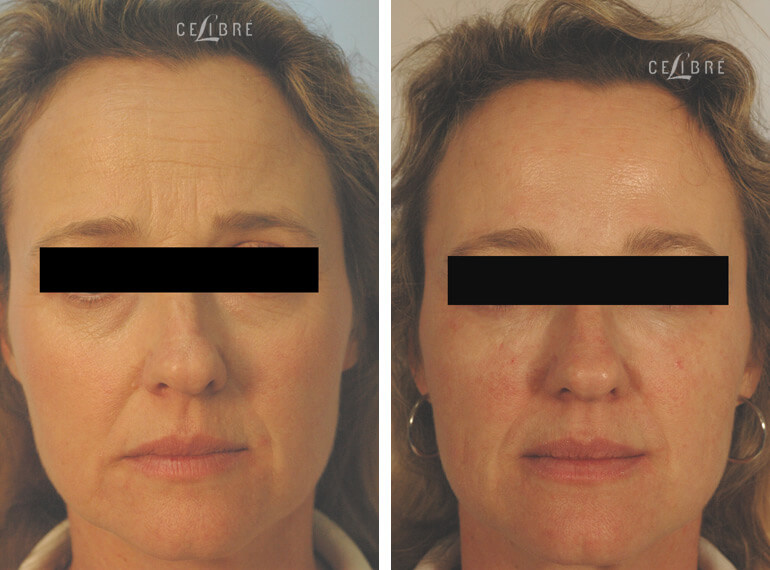
What Is Botox?
Botox is an FDA-approved injectable treatment made from Botulinum Toxin Type A. It temporarily relaxes specific facial muscles responsible for creating dynamic wrinkles caused by repeated facial expressions.
Common treatment areas include:
- Forehead lines
- Frown lines (11 lines)
- Crow’s feet
- Bunny lines on the nose
- Chin dimpling
- Neck bands
- Brow lift
- Lip flip
By relaxing these muscles, Botox smooths existing wrinkles while helping prevent new expression lines from becoming deeper over time.
How Long Does Botox Take to Work?
One of the most common questions patients ask is:
“When will I see my Botox results?”
For most people:
- Initial effects begin within 24 to 72 hours
- Noticeable improvement appears after 3 to 5 days
- Full Botox results develop between 7 and 14 days
Patients reach their peak wrinkle reduction during their first week of treatment but their muscle relaxation process extends through two additional weeks.
Dermatologists suggest patients should receive Botox treatment two weeks before their scheduled event to achieve their desired results.
Typical Botox Timeline
Here’s what most patients experience after treatment.
Day 1
Immediately after injections:
- Mild redness
- Small bumps at injection sites
- Slight tenderness
These effects usually disappear within a few hours.
Days 2–3
The Botox begins attaching to nerve endings.
You may notice:
- Slight reduction in muscle movement
- Early wrinkle softening
- Less ability to frown
Some patients notice changes sooner than others.
Days 4–7
Most patients see significant improvement.
Wrinkles begin smoothing.
Facial expressions still look natural but with noticeably reduced muscle activity.
Days 10–14
This is when Botox reaches its full effect.
The treated muscles are fully relaxed, and wrinkles appear much softer while maintaining a natural appearance.
Why Doesn’t Botox Work Immediately?
Unlike dermal fillers, Botox doesn’t physically fill wrinkles.
Instead, it works by blocking the nerve signals that tell muscles to contract.
After injection, the medication needs time to:
- Bind to nerve endings
- Interrupt communication between nerves and muscles
- Gradually weaken muscle contractions
Because this biological process takes several days, immediate results aren’t possible.
How Long Does Dysport Take to Work?
Dysport is another FDA-approved injectable made from Botulinum Toxin Type A. It works similarly to Botox but often has a faster onset.
Many patients notice:
- Initial improvement within 24 hours
- Full results in approximately 1 to 3 days
Because Dysport spreads slightly more than Botox, it may work faster in larger treatment areas such as the forehead.
Patients preparing for:
- Weddings
- Business events
- Vacations
- Family gatherings
sometimes choose Dysport when they need quicker results.
Your provider can recommend whether Botox or Dysport is the better option based on your facial anatomy and treatment goals.
What Happens After Botox Is Injected?
Once Botox is injected into a muscle, it begins affecting communication between the nerve and muscle fibers.
Normally, nerves release a chemical called acetylcholine, which signals muscles to contract.
Botox temporarily blocks this signal.
As the muscle gradually relaxes:
- Frown lines soften
- Forehead wrinkles flatten
- Crow’s feet become less visible
- Facial movements become smoother
Importantly, Botox doesn’t damage the muscle permanently. Over time, the nerve endings regenerate, allowing normal muscle movement to return.
Factors That Affect Botox Onset Times
Not everyone experiences results at exactly the same speed.
Several factors influence how quickly Botox begins working.
Treatment Area
Smaller facial muscles often respond more quickly than larger muscles.
For example:
- Crow’s feet may improve sooner
- Forehead muscles sometimes take longer
Dosage
Receiving an appropriate number of Botox units helps achieve predictable results.
Too little Botox may delay or reduce the overall effect.
Muscle Strength
People with stronger facial muscles especially men or individuals with highly expressive faces may require additional units or slightly longer for full relaxation.
Individual Metabolism
Everyone processes medications differently.
Some patients naturally experience:
- Faster onset
- Longer-lasting results
Others metabolize Botox more quickly.
Previous Botox Treatments
Regular Botox users often notice more predictable results because their muscles have become conditioned to repeated relaxation.
What Are the Most Common Botox Side Effects?
Botox is considered extremely safe when administered by an experienced medical professional.
Most side effects are mild and temporary.
Common reactions include:
- Minor swelling
- Redness
- Bruising
- Mild headache
- Tenderness
- Temporary tightness
These symptoms generally resolve within several days.
Eyelid or Brow Ptosis
One of the better-known but uncommon side effects is ptosis, which refers to temporary drooping of the eyelid or eyebrow.
This occurs when Botox spreads into nearby muscles not intended for treatment.
Although it can be concerning, ptosis:
- Is temporary
- Usually improves within 2–4 weeks
- Rarely causes permanent problems
Choosing an experienced injector significantly reduces this risk.
What If My Botox Isn’t Working?
It’s normal for first-time patients to become worried after a few days if they don’t see immediate improvement.
Remember:
Botox may require up to 14 days to reach full effectiveness.
If two weeks have passed without improvement, several possibilities exist.
Insufficient Dosage
Some muscles require more units than initially injected.
Your provider may recommend a touch-up appointment.
Strong Facial Muscles
Patients with powerful facial muscles occasionally need higher doses.
Product Resistance
Although extremely uncommon, a very small number of patients may develop resistance after many years of repeated treatments.
This is rare and generally occurs only after very frequent injections.
Improper Storage or Injection Technique
Botox must be properly stored, diluted, and injected.
Experienced medical providers follow strict handling protocols to ensure optimal effectiveness.
How Long Does Botox Last?
Most patients enjoy Botox results for:
- 3 to 4 months
After this period, muscle activity gradually returns.
Wrinkles slowly reappear as facial movement increases.
Can Botox Last Longer?
Yes.
Patients who receive Botox consistently every three to four months often notice:
- Longer-lasting results
- Weaker facial muscles over time
- Less frequent treatments
Many long-term patients eventually extend treatments to every 4 to 5 months, depending on how their muscles respond.
Tips to Maximize Your Botox Results
Following proper aftercare helps ensure the medication remains in the intended treatment area.
For the first 24 hours:
- Avoid rubbing the treated area.
- Stay upright for at least four hours.
- Skip strenuous exercise.
- Avoid saunas and excessive heat.
- Limit alcohol consumption.
- Follow your provider’s aftercare instructions carefully.
These simple precautions may help reduce bruising and improve treatment outcomes.
Botox vs. Dysport: Which Works Faster?
| Feature | Botox | Dysport |
| Initial Results | 2–3 days | 1–2 days |
| Full Results | 7–14 days | 1–3 days |
| Duration | 3–4 months | 3–4 months |
| Best For | Precise treatment areas | Larger treatment areas |
Both products produce excellent wrinkle reduction. Your injector can determine which option best matches your cosmetic goals.
When Should You Schedule Botox Before an Event?
If you’re planning treatment before:
- A wedding
- Graduation
- Holiday
- Photoshoot
- Vacation
- Family reunion
schedule your Botox appointment at least two weeks in advance.
This allows:
- Full wrinkle reduction
- Any minor swelling or bruising to disappear
- Time for adjustments if necessary
Planning ahead helps ensure your results look natural and complete when your special day arrives.
Final Thoughts
Botox onset times helps set realistic expectations before your treatment. Patients who receive treatment begin to see initial changes after two to three days but must wait seven to fourteen days for complete treatment effects to become visible. The body shows quicker response to Dysport treatment although both products achieve effective wrinkle reduction which lasts for a limited time while requiring short recovery periods.
The selection of a skilled injector together with proper aftercare instructions and consistent treatment attendance will help you achieve better skin results which endure longer. Your medical provider requires you to schedule a follow-up appointment because they need to check your Botox results while they decide if treatment adjustments will benefit your situation.