
Menu
Melasma Laser Treatment Cost: Melasma is one of the most frustrating skin conditions to manage and if you’ve been searching for a permanent fix, you’ve probably come across laser treatments. It’s natural to wonder whether the cost is worth it and whether lasers can finally clear those stubborn patches for good.
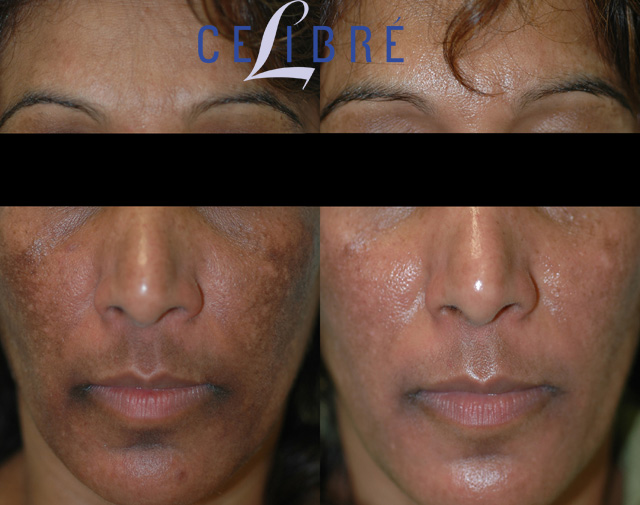
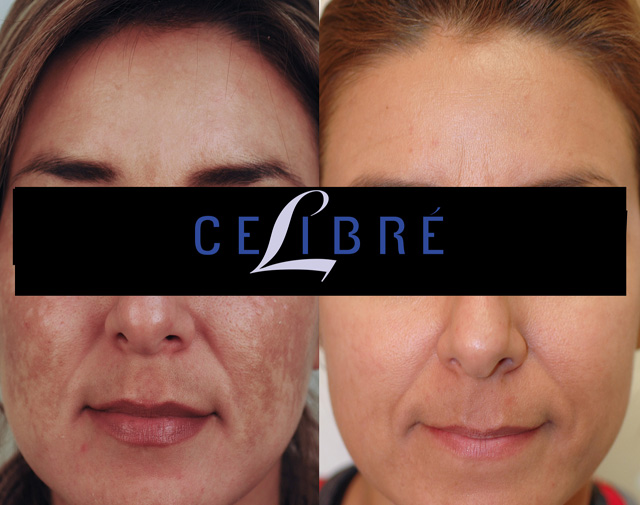
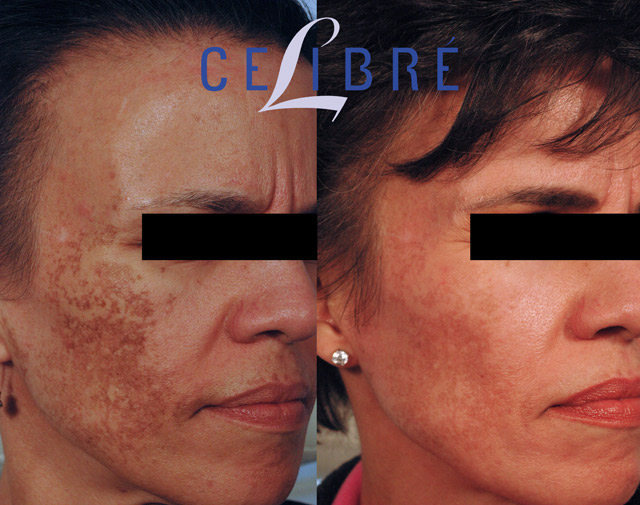
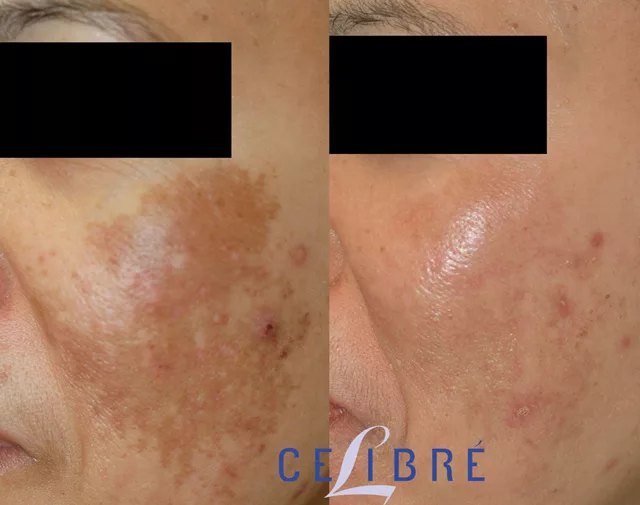


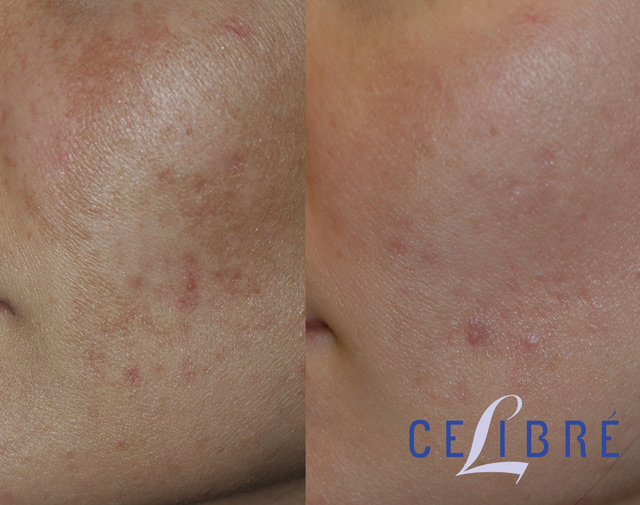
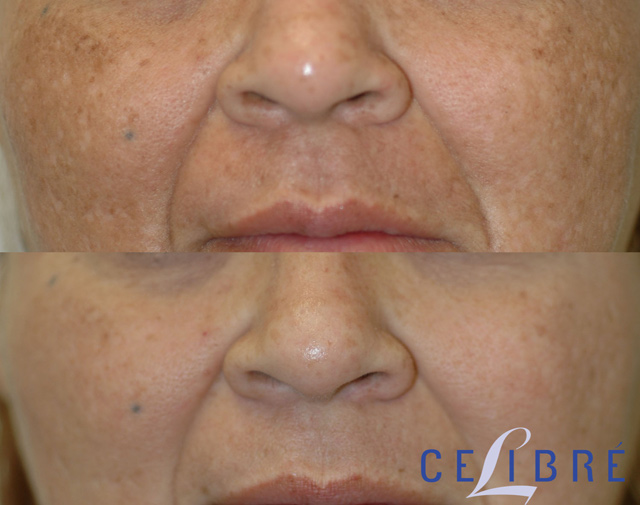
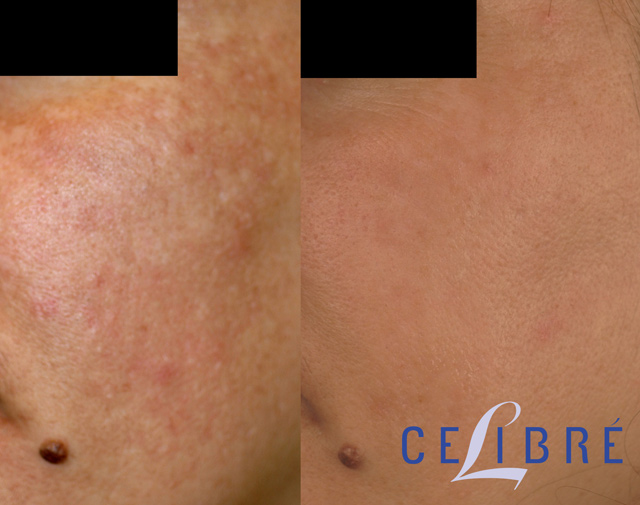
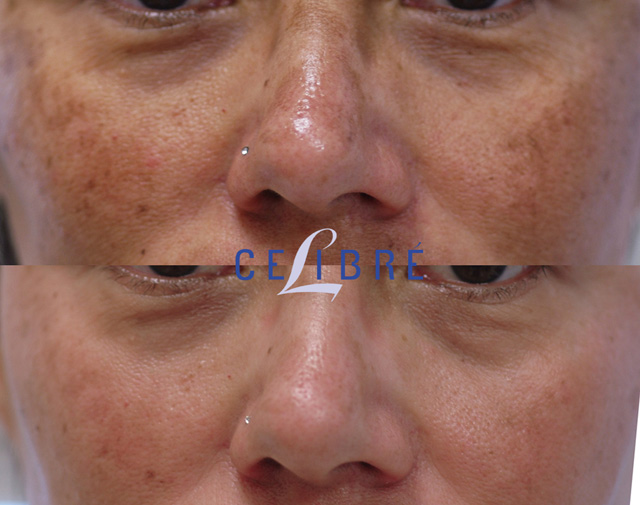
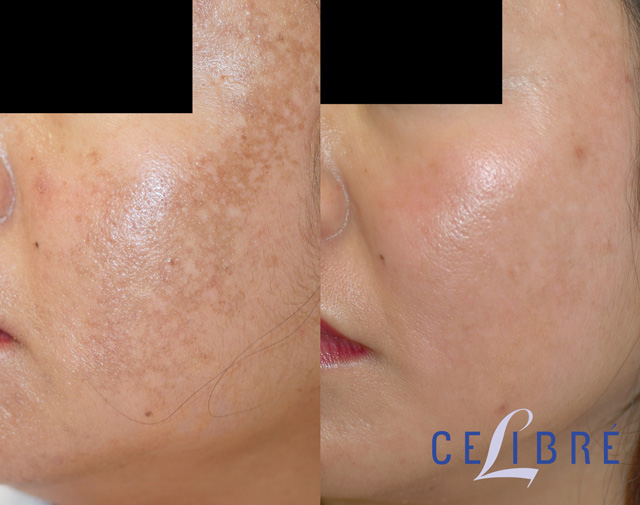
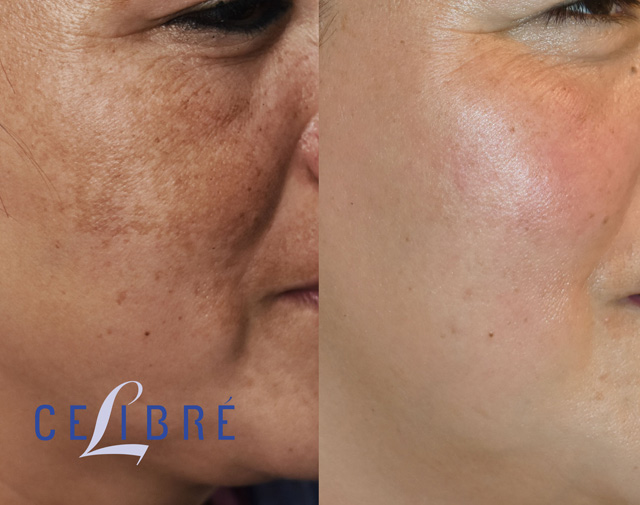
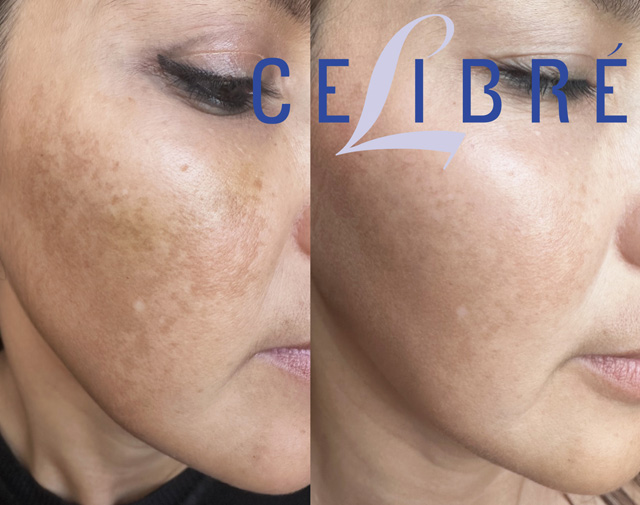
Melasma stands as a long-lasting dermal disorder which results from hormonal shifts that occur inside the body instead of appearing because of external skin injuries. The condition produces dark brown or grayish skin discolorations which mainly affect facial areas while most women develop it during their pregnancy and when they use hormonal birth control and after they spend considerable time under the sun.
Because melasma originates from internal hormonal triggers, there is currently no known cure. Melasma requires continuous management because it shares treatment needs with blood pressure and diabetes patients who need ongoing care. The decision about your laser treatment depends on this essential difference which determines if you need laser treatment.
The high price of laser treatments makes melasma treatment unaffordable for many people. The price of melasma laser treatment depends on clinic facilities and technology and session count because each session costs between $200 and $600 and patients need multiple sessions to achieve results.
The cost alone makes many patients question whether to proceed. The financial aspect stands as the least important factor which patients should evaluate before selecting laser treatment for their melasma condition.
The main problem which medical professionals need to address tends to disappear from their treatment conversations. The Intense Pulsed Light (IPL) device together with other laser and light-based equipment produces a rebound response which makes melasma skin condition worse. The laser energy produces heat which activates the melanocytes that originally created the skin discoloration.
The expensive treatment process creates additional problems for patients who already face challenges with their medical condition.
Research shows that professional-grade topical treatments which include prescription-strength hydroquinone effectively control melasma. The treatment costs for premium melasma laser therapy become difficult to justify because laser technology fails to deliver better results than other treatment options.
The treatment of melasma with laser therapy requires multiple sessions because it does not provide a single complete solution. Patients must return to treatment centers for multiple sessions because their results from spending hundreds of dollars on each appointment tend to fade away. The actual expenses of laser therapy extend beyond session costs because patients need to spend time traveling and they must wait for treatment recovery before receiving follow-up care.
If you have already tested hydroquinone but failed to receive positive outcomes then you should evaluate which product version and concentration level you started with.
The majority of hydroquinone products available without prescription contain a 2% concentration which does not reach the 8% level needed to achieve effective treatment results for patients with moderate to severe melasma. The storage duration of hydroquinone products creates a major gap between their activated fresh form and their current state after pharmaceutical storage.
Our clinic offers an 8% concentration of liquid hydroquinone which we activate on the day we purchase it to maintain its highest possible strength. The treatment approach succeeds with patients who failed their previous hydroquinone programs because their bodies never received the correct drug composition.
Key advantages of this approach over laser treatments:
The treatment option of laser therapy remains accessible for melasma patients who meet the requirements. A dermatologist might suggest a low-energy Q-switched Nd: YAG laser which includes specific settings to reduce the possibility of making skin pigmentation worse. The medical procedure becomes necessary after patients have tried their first round of topical treatments because doctors with specialized training take care of their treatment.
The essential term here is experienced. The treatment cost for melasma laser therapy depends on the provider’s skill level and their equipment selection. A practitioner without enough experience who uses a powerful device will create major damage to skin which has melasma tendency.
If you’re still exploring the laser route, here are the main variables that affect pricing:
Given these variables, a realistic all-in estimate for a full melasma laser treatment course often exceeds $1,500 to $3,000: and that’s before accounting for maintenance sessions or post-treatment products.
The selection of treatment methods including laser therapy and topical applications requires patients to maintain daily application of broad-spectrum sunscreen which provides at least SPF 50 protection. Sun exposure functions as the strongest environmental factor which produces melasma outbreaks. The results from any treatment will fade away because people do not protect themselves from sun exposure on a regular basis.
The treatment for melasma requires this particular element which people tend to ignore although it costs much less than one laser session.
No. Because melasma is considered a cosmetic condition, laser treatments are almost never covered by health insurance. All costs are typically out of pocket.
This varies by individual, but most patients require at least 3 to 6 sessions for visible improvement. Maintenance sessions may be needed periodically, which adds to the overall melasma laser treatment cost over time.
Yes, and this is one of the most important points to understand. Because melasma is a hormonally driven condition, it can and often does return after laser treatment, especially with sun exposure or hormonal changes. Laser treatment manages the appearance of melasma but does not cure the underlying cause.
For most patients, high-strength topical hydroquinone carries a lower risk profile than laser treatment when it comes to melasma specifically. The primary concern with long-term hydroquinone use is a condition called ochronotic (a blue-black discoloration), which is rare but worth discussing with your provider. Lasers, on the other hand, carry a real risk of worsening pigmentation if not used correctly.
A combination approach tends to work best: prescription-strength hydroquinone (especially at 8%), consistent daily SPF 50+ sunscreen, and avoiding known triggers like hormonal birth control or excessive heat. Some patients also benefit from adding azelaic acid or tranexamic acid to their regimen. A board-certified dermatologist can help tailor a plan to your skin type and severity.