
Menu
Acne can be frustrating on its own, but the marks and texture changes left behind after breakouts can be even more difficult to treat. If you’re wondering how to prevent acne scars, the good news is that early treatment and proper skincare can significantly reduce your risk of developing permanent scars.
Acne scars form when inflammation damages the deeper layers of the skin. While some people are more prone to scarring than others, taking the right steps during and after a breakout can help protect your skin and preserve a smoother complexion.
In this guide, we’ll explain why acne scars develop, who is most at risk, and the most effective ways to prevent acne scars before they become permanent.
Before learning how to prevent acne scars, it’s important to understand why they occur.
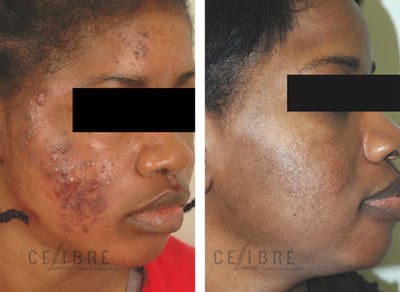
Acne scars develop when inflamed blemishes damage the skin’s collagen and elastin fibers during the healing process. As your body repairs the injured tissue, it may produce either too little or too much collagen, leading to different types of scars.
The more severe the inflammation, the greater the likelihood of permanent scarring.
Not every mark left behind by acne is a true scar.
These are flat brown, black, or dark spots that remain after acne heals. While they can take several months to fade, they aren’t permanent scars.
These pink or red marks occur when tiny blood vessels remain dilated after inflammation. Like hyperpigmentation, they often improve over time.
These permanent scars appear as depressions in the skin because collagen was lost during healing.
Common types include:
Some people produce too much collagen during healing, creating raised scars that extend above the skin surface.
Preventing acne scars begins long before a breakout has fully healed.
Here are the most effective ways to reduce your risk.
One of the best answers to how to prevent acne scars is simple: treat acne as soon as it appears.
The longer acne remains active, the longer inflammation continues damaging your skin.
Mild acne may respond to over-the-counter products containing ingredients such as:
If your acne continues to worsen or doesn’t improve after several weeks, schedule an appointment with a dermatologist. Early intervention often prevents both acne and future scarring.
Inflammation is the primary cause of acne scarring.
Protect your skin by avoiding anything that increases irritation.
Avoid:
Many people believe that drying out acne makes it heal faster, but excessive irritation often worsens inflammation instead.
Gentle skincare is usually much more effective.
If there’s one habit dermatologists consistently recommend avoiding, it’s picking at acne.
Squeezing pimples pushes bacteria and debris deeper into the skin, increasing inflammation and damaging healthy tissue.
Picking acne can cause:
Although it can be tempting, allowing blemishes to heal naturally greatly reduces your chances of scarring.
Some individuals naturally scar more easily than others.
You may have a higher risk if:
If you notice your skin tends to scar easily, seek professional acne treatment sooner rather than later.
Cystic acne and deep inflammatory acne carry the highest risk of permanent scarring.
These breakouts often develop deep beneath the skin and cause significant inflammation.
Professional treatment can control acne before it damages the skin further.
A dermatologist may recommend:
Early medical treatment often prevents years of permanent acne scars.
Sun exposure can make acne marks darker and delay healing.
Daily sunscreen helps prevent:
Choose a broad-spectrum sunscreen with SPF 30 or higher and apply it every morning, even on cloudy days.
Healthy skin heals more efficiently.
A simple routine should include:
Avoid layering multiple active ingredients without professional guidance, as excessive irritation may increase inflammation.
Large, painful acne cysts are one of the leading causes of permanent acne scars.
Unlike small pimples, cysts develop deep beneath the skin where inflammation can destroy collagen.
If you’re developing painful nodules or cysts, don’t wait for them to disappear on their own.
Prompt treatment greatly reduces long-term skin damage.
Modern laser treatments may help reduce acne inflammation while lowering the risk of future scars.
Depending on your skin type and acne severity, laser therapy may:
Laser treatments are often combined with medical acne therapy for optimal results.
Unfortunately, not always.
Some people develop acne scars despite receiving excellent treatment because genetics and individual healing responses also play important roles.
However, early treatment, avoiding skin trauma, and controlling inflammation can dramatically reduce the likelihood and severity of permanent scars.
If scars have already formed, several effective treatments are available.
Depending on the type of scar, your dermatologist may recommend:
An individualized treatment plan often combines multiple procedures for the best cosmetic improvement.
Learning how to prevent acne scars starts with treating acne early, reducing inflammation, and resisting the urge to pick or squeeze pimples. Gentle skincare, daily sunscreen, and timely dermatology care can significantly lower your risk of developing permanent scars.
If you have persistent breakouts, cystic acne, or notice your skin scars easily, don’t wait. Early intervention is the most effective way to protect your skin and maintain a smoother, healthier complexion. At Celibre Medical, our dermatology specialists provide personalized acne treatments and advanced laser therapies to help prevent acne scars and restore clear, confident skin.
Avoid picking pimples, use gentle skincare, protect your skin from the sun, and treat acne promptly to reduce inflammation.
Yes. Picking or squeezing pimples can increase inflammation, delay healing, and significantly raise the risk of permanent acne scars.
Yes. Sunscreen prevents acne marks from darkening and supports a more even healing process.
If you have persistent, painful, or cystic acne, seeing a dermatologist early can help prevent permanent scarring.
In some cases, yes. Laser treatments may reduce acne inflammation and stimulate healthier skin healing, lowering the risk of future scarring.