
Razor bumps create an ongoing problem that turns basic grooming activities into a continuous source of frustration. People who shave regularly will experience red bumps and ingrown hairs which create pain and skin irritation. Razor bumps appear on random people but the condition develops into a permanent problem which damages skin appearance and self-confidence and causes physical discomfort.
The good news? Laser Hair Removal for Razor Bumps offers a long-term solution by treating the root cause instead of temporarily masking the symptoms.
Laser Hair Removal for Razor Bumps functions as an everlasting solution because it targets the primary cause instead of showing short-term results.
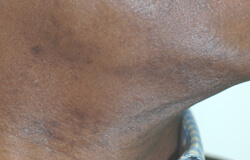
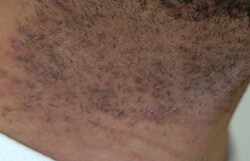
What Are Razor Bumps?
Razor bumps which doctors call pseudofolliculitis barbae develop when people shave their hair and the cut hair strands start to bend back into their skin instead of following their normal growth direction. The skin develops inflammatory symptoms along with red areas and painful spots which resemble pimples.
The skin condition known as razor bumps appears similar to acne but it results from hair growth under the skin and shaving-induced skin irritation. The disease shows extreme severity when pseudofolliculitis develops into its most advanced stage.
- Dark spots or skin discoloration
- Painful inflammation
- Scarring and uneven texture
- Persistent irritation after shaving
People with coarse, curly, or thick hair are more likely to develop razor bumps. This condition is especially common on the:
- Face and neck
- Jawline and beard area
- Bikini line
- Underarms
- Chest, shoulders, and back
Women can also experience razor bumps, particularly in the bikini area or on the face due to hair removal routines.
Can Laser Treatment Remove Razor Bumps?
Patients frequently ask about the possibility of using laser treatment to get rid of their razor bump appearance.
The answer is yes—laser hair removal can significantly reduce or eliminate razor bumps for many people.
Laser treatment works differently from shaving and waxing and hair removal creams because it attacks the root of hair follicles.
The reduction of hair growth leads to a decreased risk of hairs becoming trapped beneath the skin which results in ingrown bumps.
People who experience ongoing skin irritation from pseudofolliculitis need to consider getting razor bump laser removal treatment.
The hair becomes thinner while patients experience reduced hair growth which develops into their initial symptoms.
- Fewer ingrown hairs
- Reduced inflammation
- Smoother skin texture
- Less discoloration from previous irritation
- A dramatic decrease in painful razor bumps
For many patients, laser treatment becomes a life-changing alternative to endless shaving cycles.
Why Laser Hair Removal for Ingrown Hairs Works
People who face constant ingrown hair battles tend to try exfoliating scrubs and topical creams and prescription products and different razors but their efforts produce no success.
The laser treatment for ingrown hairs functions through a distinct approach because it targets the root cause which stems from hair follicles.
The laser energy targets pigment within the hair follicle and gradually reduces hair production over a series of treatments. The process of hairs growing back becomes less common which leads to reduced instances of skin irritation and hair getting stuck beneath the surface.
The treatment proves effective for people who get frequent bumps in their beard area and their bikini line and underarm regions.
Patients start to see results during their initial treatment sessions yet doctors recommend multiple visits to achieve their best possible outcome.
Does Laser Hair Removal Help With Razor Bumps?
Another frequently searched question is: Does laser hair removal help with razor bumps?
In most cases, yes.
Because shaving is often the trigger for razor bumps, reducing the need to shave can dramatically improve skin health. Over time, laser treatment helps minimize:
Inflammation
The reduction of ingrown hairs leads to decreased skin redness and lower levels of irritation and tenderness.
Hyperpigmentation
The skin develops permanent dark spots because razor bumps cause repeated skin inflammation which affects people who have darker skin tones. The skin shows better color uniformity when the number of flare-ups starts to go down.
Scarring
The skin develops permanent surface changes when chronic pseudofolliculitis develops into a long-term condition. The use of laser treatment at its first stage should stop scars from getting worse.
Shaving Frequency
The process of laser hair removal enables people to shave less because it removes hair which results in reduced skin irritation.
Laser Hair Removal for Pseudofolliculitis Barbae
For people who experience severe or repeated razor bumps in their beard area laser hair removal becomes the best treatment for pseudofolliculitis barbae.
People who have curly facial hair tend to develop Pseudofolliculitis barbae because their hair grows back into the skin.
The medical field of dermatology recommends laser treatment for patients who do not show sufficient progress with their current treatment of topical creams and shaving modification.
A personalized treatment strategy for pseudofolliculitis laser hair removal will work to decrease:
- Chronic inflammation
- Painful bumps
- Frequent ingrown hairs
- Beard-area irritation
- Long-term scarring risks
The key advantage is that laser hair removal treats the cause, not just the symptoms.
Is Laser Hair Removal Safe for All Skin Types?
Modern laser technology has improved significantly over the years. Today, medical-grade laser systems can safely treat a wide range of skin tones and hair types when performed by trained professionals.
However, choosing an experienced provider matters.
Not every laser is suitable for every skin type, especially for patients with deeper complexions or sensitive skin prone to pigmentation changes.
A professional consultation should include:
- Skin assessment
- Hair type evaluation
- Medical history review
- Treatment recommendations tailored to your skin
An experienced provider can determine the safest and most effective laser settings for your needs.
What to Expect During Treatment
Laser hair removal needs multiple sessions to achieve its complete treatment results. Hair growth follows a cyclic pattern which requires multiple treatment sessions to reach hair follicles during their active growth phase.
The treatment process causes patients to experience either a gentle warm sensation or a brief snap feeling. The treatment sessions usually finish quickly although the length depends on which body parts require treatment.
The treatment process leads to brief skin redness but most patients resume their regular activities because the redness fades away.
The treatment shows its effects through two main processes which involve hair growth reduction and skin healing from irritation.
A Long-Term Solution for Razor Bumps
The experience of living with razor bumps creates frustration because the condition produces pain and emotional exhaustion while all treatment options seem ineffective.
The Laser Hair Removal for Razor Bumps treatment offers a permanent solution to people who experience skin inflammation and ingrown hairs and pseudofolliculitis because of their regular shaving practices.
The treatment of flare-ups needs to stop because laser therapy works to minimize the hair production which creates the original issue.
The correct healthcare provider together with an appropriate treatment solution will lead to skin improvement which reduces razor bump formation for people.
FAQs About Laser Hair Removal for Razor Bumps
1. Does laser hair removal get rid of razor bumps permanently?
The process of laser hair removal produces permanent results for razor bumps because it diminishes hair growth. Maintenance treatments might need to occur from time to time but the majority of patients achieve enduring results.
2. Can laser treatment remove razor bumps on the bikini line?
Yes. People who experience irritation and develop painful bumps and folliculitis in their bikini area can choose laser hair removal as their standard treatment for ingrown hairs.
3. Is laser hair removal good for pseudofolliculitis barbae?
Yes. Medical experts support laser hair removal as a treatment for pseudofolliculitis barbae because it addresses the fundamental problem which involves hair that grows beneath the skin surface.
4. How many laser sessions are needed for razor bumps?
Patients require multiple treatment sessions which should occur at regular intervals between each session. The treatment duration depends on three main factors which include hair density and skin characteristics and the size of the area being treated.
5. Can razor bumps get worse before improving after laser hair removal?
The treatment causes short-term mild skin irritation and hair loss which only lasts for a brief period. Most patients develop skin that becomes smoother while their ingrown hair numbers decrease after treatment.