
Quick question: do you actually know your skin type?
Most people experience the same situation when they cannot generate any ideas. Skin type remains outside our daily thoughts until dermatologists decide to talk about it or until we experience severe sun damage, which forces us to question our skin health. The laser treatment process requires a basic understanding from all patients who want to start treatment. The way you leave your session will create two possible outcomes because you either get the results you want or you develop skin damage that needs months to disappear.
Here’s a simple way to get a rough idea of where you stand: think about what happens when you spend an afternoon in the sun without sunscreen. Does your skin turn red and burn, or does it gradually tan? The skin of people who burn quickly without tanning needs to be either type I or type II. People who get tanned instead of burning their skin fall under the skin types which include numbers three through six. The process requires more than basic science to work, but it provides an initial assessment that helps patients before their first doctor visit.
What Does “Skin Type” Actually Mean?
Doctors in dermatology use the term “skin type” to describe more than just skin color because they study various aspects of human skin. Dermatologists use the Fitzpatrick scale to classify skin types because this system helps them understand how your skin reacts when you spend time in the sun. Your skin reaction depends on your body’s melanin production as well as your genetic heritage from which you descend.
The classification system divides all cases into six distinct categories, which range from type I to type VI. The lower the number, the fairer the skin and the more likely it is to burn. The skin develops stronger pigmentation when the numbers increase because its melanin defense system becomes more active.
People tend to avoid thinking about their personal category throughout their entire existence. We think about it constantly, though. We start our assessment process with laser treatment patients by checking this particular aspect before we discuss their specific issues or which equipment they need for their treatment.
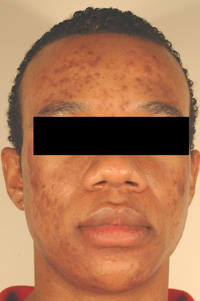
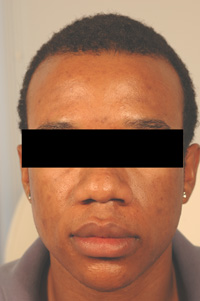
Why Skin Type Matters So Much in Laser Treatment
People tend to get surprised when they realize that skin color does not reveal everything about a person. People with olive skin tones who “always tans, never burns” enter our practice but their skin shows burn damage after their first sun exposure even though their skin appears to resist all types of damage. Skin behavior under stress becomes the primary focus of experienced providers who understand their field instead of relying on the usual assessment of patients sitting in treatment chairs.
Lasers use specific light wavelengths to attack skin components which include melanin and hemoglobin and water by directing their beams at particular targets. The problem is that not every wavelength is safe for every skin type, and this is where a lot of the risk in laser treatment actually comes from.
As a general rule of thumb:
- Shorter wavelengths tend to carry more risk for darker or higher Fitzpatrick skin types.
- Longer wavelengths are generally safer and more effective across a broader range of skin tones.
Why does this happen? The skin experiences this because of the competitive interactions which exist between its different components. People with more melanin which is common in darker, easily-tanning skin have pigment that competes with whatever the laser is actually trying to target, whether that’s a hair follicle, a pigmented spot, or a blood vessel. The laser energy gets absorbed by melanin that exists nearby because the operator picked an inappropriate wavelength instead of reaching the actual target. The treatment produces no results while it causes skin burns, scarring and permanent pigment changes which remain visible for several months.
Different skin types require different laser treatment protocols which prevent one-size-fits-all laser treatment solutions from working effectively. Skin with type II characteristics responds well to treatments which can cause damage to people who have type V or VI skin when professionals fail to adjust their equipment settings correctly.
New Technology Means More and Safer Options
The good news, and there is genuinely good news here, is that laser technology has come a long way in the last decade. Providers today have access to a much wider range of devices, wavelengths, and settings than they did even ten years ago. That means treatments can be tailored far more precisely to a person’s specific skin type, tone, and the exact concern being treated whether that’s hair removal, pigmentation, vascular issues, or resurfacing.
But more options on the market also means more room for error. A device being available doesn’t automatically mean a provider knows how to use it correctly, or has enough experience treating a wide range of skin types to make good judgment calls in the room.
Why Choosing the Right Provider Matters Just as Much as the Treatment Itself
This is really the heart of the matter: researching the clinic and the specific practitioner performing your treatment matters just as much as researching the treatment itself.
A provider who doesn’t fully understand laser physics and skin typing simply can’t reliably choose the safest, most effective device and settings for your skin. And here’s a practical red flag worth remembering if a clinic only has one or two laser systems in their office, but insists they can safely treat every skin type with them, that’s worth questioning. Physics doesn’t bend to convenience. A machine built primarily for lighter skin types isn’t going to magically become safe for darker skin just because a clinic wants to use it on every client who walks through the door.
Good questions to ask before booking include: What device do you plan to use on me, and why? Have you treated my skin type before, and what were the results? What happens if my skin doesn’t respond the way you expect?
The Bottom Line
People with dark skin can choose from various safe laser treatment options that demonstrate effectiveness in their case because the false belief that lasers fail on dark skin types continues to spread. The right provider needs to have skin treatment knowledge and technological resources, and hands-on practice to determine which treatment will work best for your particular skin condition.
Do your homework before you book. Ask questions, and don’t be shy about it; a good provider will welcome them. Medical clinics that fail to explain their skin treatment methods should be avoided because they demonstrate insufficient knowledge about their skin management capabilities.