
Your legs seem to have disappeared from view because they have entered their hiding phase. People experience different emotions when they notice web-like clusters on their calves and thighs and face, which include embarrassment, frustration, and concern about their appearance. You are not the only person who experiences this condition, because others experience it as well.
The human body develops visible vascular networks, which create an aesthetic and medical problem that affects approximately fifty percent of people who reach their fiftieth birthday. The initial step to achieve permanent spider vein relief and regain skin confidence requires understanding the actual cause of these veins, which people usually ignore as a cosmetic problem.
What Are Spider Veins?
The medical term for these tiny, visible blood vessels is telangiectasias. The more common term, “spider veins,” is a descriptive name because these clusters of vessels often look like a tangled mass of fine threads radiating from a central point, much like a spider’s web.
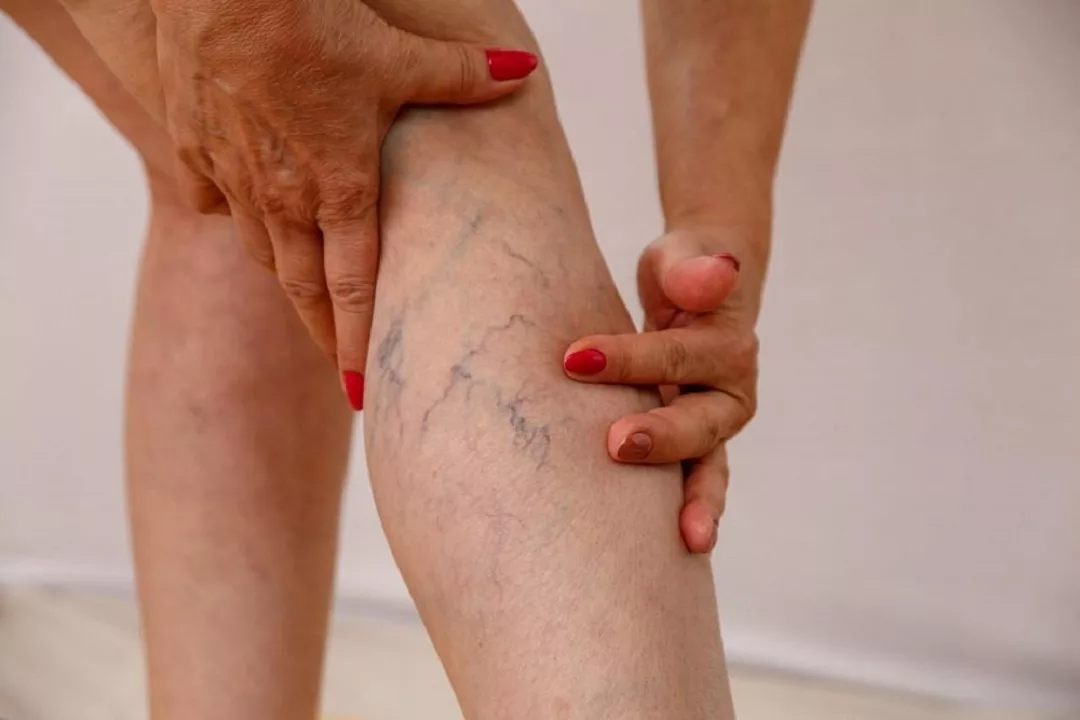
Spider veins develop in the superficial skin layers, which differ from the way varicose veins create visible skin bulges. The markings show as flat skin-level lines that appear as web-like patterns with purple, blue, and bright red colors. The body can develop these marks anywhere, but they appear most often on the lower legs and face.
Identifying the Primary Cause of Spider Veins
The solution to vascular defects requires researchers to study what occurs underneath the skin surface. What causes spider veins to develop in the first place?
Your circulatory system maintains body functions through its network of blood vessels, which operates as a single system. The human body uses leg veins as its blood vessels, which work as a single-direction road system to direct oxygen-poor blood from arteries through veins, which complete the circuit by reaching the heart and lungs.
The process of blood returning to your body fights against gravity, which makes your leg veins develop multiple small valves that work as single-direction gates. Your calf muscles create blood movement when you walk, which forces blood to rise while these valves work to stop blood from flowing backward.
The main reason for spider veins appears because these tiny body systems, which operate at a microscopic level, stop working correctly. The body fails to control gravity because the internal valves stop working, which produces leakage. Blood starts to collect in the opposite direction, which leads to venous insufficiency. The reverse blood movement creates higher pressure in the fragile surface capillaries, which makes them grow larger and more visible through your skin.
Key Risk Factors: Why Do They Form?
The operational system depends on defective valves, which create the core mechanism, but various elements control which people will develop telangiectasias. The file search results show that people seek information about spider vein causes through their most common search queries, which indicate their desire to identify their personal danger factors.
- Genetics: Heredity is the single most influential factor. You have a strong family history, which shows that your parents and grandparents experienced broken capillaries and venous pooling, so you will probably develop these conditions too.
- The continuous standing or sitting position throughout the day empties your veins of blood because they have to fight against gravity, which results in damaged valve structures.
- The body experiences hormone fluctuations during pregnancy, which lead to vein wall relaxation because of the massive increase in estrogen and progesterone. The body receives more blood, which leads to capillaries expanding because of the combination of this condition and the raised blood volume.
- Obesity: The body weight increase creates strong physical forces that affect deep veins of the lower legs, and then these forces spread to affect the surface capillaries.
What Are Spider Veins on the Face? Causes and Relief
It surprises many to learn that spider veins are not exclusive to the lower body. Medical experts identify different underlying conditions that result in facial spider veins compared to the leg vein valve problems that affect the entire body.
The face shows these vessels most often across the delicate skin of the cheeks, nose, and chin because environmental factors actively harm them, instead of body vein backflow causing the damage.
The skin on faces becomes thinner because long periods of sun exposure break down the collagen and elastin network, which supports facial tissues. The micro-capillaries beneath the skin surface expand permanently because they lack sufficient structural support which leads to their permanent dilation near the skin surface. The development of these skin problems results from several factors which include personal drinking habits and exposure to harsh environmental conditions and inherited family traits and ongoing skin disorders such as rosacea.
Advanced Medical Solutions: Laser Treatment for Spider Veins
People who want to hide their uneven skin coloration can find effective solutions which help them deal with their patchy appearance. The combination of compression stockings and regular exercise helps people prevent their existing conditions from becoming worse but it fails to remove their already expanded blood vessels.
The current aesthetic industry provides specialized medical treatments which deliver specific results to their clients. Medical lasers of Class IV power provide patients with successful treatment outcomes by producing high clearance rates while maintaining zero pain and no need for recovery time.
How Medical Lasers Work
The systems release a strong light beam which moves through skin surface without any risk while hemoglobin pigment in blood vessels receives targeted absorption. The laser energy produces controlled heating which makes blood pools reach temperatures that cause damaged capillaries to close their walls completely. Your body’s lymphatic system operates over several weeks to eliminate the inactive tissue through its natural breakdown process which results in total tissue removal.
Why Choose Laser Therapy?
- Safe for All Tones: Advanced long-pulse lasers can safely treat all skin types and pigments without damaging surrounding tissue.
- Versatility: They can be deployed safely anywhere on the body, from the delicate skin around the nose to deep clusters on the ankles.
- No Downtime: Patients can step right back into their daily activities immediately following a session.
While a brief series of treatments is typically required to fully clear an entire network, laser therapy provides definitive, highly satisfying cosmetic clearance for most patients.
Frequently Asked Questions (FAQs)
1. Are spider veins dangerous, or are they purely a cosmetic issue?
Spider veins appear as an independent aesthetic problem which does not create any danger to human health in most situations. The presence of aching pain together with throbbing sensations and heavy leg feelings and skin swelling indicates that patients need further medical assessment because they might have chronic venous insufficiency. A vascular specialist needs to check patients who show these symptoms because they might have chronic venous insufficiency.
2. Can spider veins go away on their own without medical intervention?
No. The capillary walls which appear on the surface become permanently stretched when their elasticity breaks down because of valve failure or sun damage. The vessel requires medical treatment through laser therapy or sclerotherapy to achieve permanent closure because it will not return to its original size.
3. What is the difference between spider veins and varicose veins?
The main differences between these conditions exist in their size and depth and physical appearance. Spider veins appear as small flat lines which form web-like patterns that develop in the upper skin layers. Varicose veins develop into bigger blue-purple veins which form visible bulges and twisting patterns because of advanced failure in large venous valve function.
4. Is laser treatment for spider veins painful?
The medical laser creates a brief snapping feeling on the skin surface which patients compare to the sensation of a rubber band snap. Medical professionals operating Class IV lasers use built-in cooling systems which combine advanced cooling technology with chilled air to provide immediate skin surface cooling before and after each laser shot for patient comfort.
5. How can I prevent new spider veins from forming after treatment?
Your genetic makeup remains unchangeable but you can stop future vein problems by staying active to support your calf muscles and by elevating your legs after extended standing sessions and by using daily broad-spectrum SPF to protect your facial skin from UV damage and by keeping your body weight within normal limits to reduce vascular stress in your lower body.