
If you have observed flat brown or tan spots developing on your face and hands and shoulders and arms and other body parts that receive regular sunlight exposure then you probably have sun spots on your skin. These skin blemishes appear frequently in people because they develop as skin damage from sun exposure accumulates with advancing age.
Sun spots exist under multiple different names which people use to identify them. You may hear them called age spots, liver spots, or dark spots. The medical term is solar lentigines. The different names for these skin marks do not change their main origin which results from continuous sun exposure with ultraviolet (UV) radiation.
What leads to sunspots formation and why do these spots become more visible as people get older and which methods exist to handle these skin changes? The initial step to prevent new spots and select proper treatment for existing pigmentation requires understanding their development process.
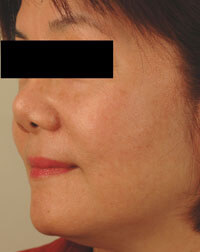
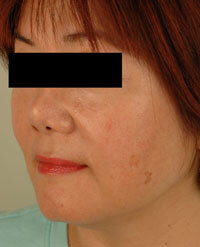
What Are Sun Spots?
Sun spots exist as level skin patches which show higher pigmentation that appears as brown or tan or sometimes darker than the adjacent skin tone. Sun spots form persistent marks that do not fade away after they develop while freckles tend to disappear when people stop getting sun exposure.
They mostly show up on body parts which receive the highest levels of sunlight exposure through time:
- Face and cheeks
- Forehead
- Backs of the hands
- Arms and shoulders
- Upper chest
- Other frequently exposed areas
Sun spots display different dimensions while they appear either as single spots or multiple spots in clusters. Most typical solar lentigines are benign, meaning they are non-cancerous.
However, not every new or changing brown spot is necessarily a sun spot. A medical professional who specializes in dermatology or holds proper medical qualifications needs to assess any skin spot which shows alterations in its dimensions or appearance or develops bleeding or itching or causes pain or displays any other abnormal characteristics.
What Causes Sunspots?
Sunspots develop because people accumulate too much ultraviolet radiation from their time spent in sunlight.
Your skin contains cells called melanocytes, which produce melanin—the pigment responsible for skin color. Melanin performs a vital function because it helps the skin maintain protection against ultraviolet radiation from the sun.
The skin develops more pigment when people expose their skin to sunlight for extended periods. The process creates concentrated pigmentation spots which become visible as sunspots after several years of development.
You do not need to spend every weekend sunbathing to develop them. Everyday exposure adds up.
People who drive or walk outside or work in gardens or exercise outdoors or visit beaches or live in sunny areas will accumulate UV exposure throughout their lives.
People who live in Southern California need to protect their skin because the region experiences sunny weather during most of the year.
Why Do Sun Spots on Skin Appear With Age?
If UV exposure causes sun spots, why are they commonly called age spots?
Aging itself isn’t the primary cause. Instead, getting older means your skin has accumulated more years of sun exposure.
People in their 50s tend to receive more total UV exposure than they received during their 20s. The skin develops pigmentation changes which become permanent after repeated exposure to sunlight.
The skin develops signs of aging which make existing discoloration more obvious to others. The skin develops more obvious sun damage signs which include pigmentation changes when it ages throughout the years.
People start to see their sun spots more clearly when they reach their 40s and then throughout their whole life.
Are Sun Spots and Liver Spots the Same Thing?
Yes. “Liver spots” is an outdated but still commonly used name for age spots or sun spots.
The spots which bear this name do not result from any liver disease. The term developed from their brownish look instead of any association with liver wellness.
Solar lentigines is the more accurate medical term.
People who develop ordinary sun spots get them because they have spent too much time in direct sunlight rather than because of any liver health issues.
Are Sun Spots Dangerous?
The typical solar lentigines function as non-cancerous skin spots which require no medical treatment for maintaining health.
People decide to get these spots treated because they find them unattractive and they believe the marks create uneven skin texture which shows as sun damage.
Doctors must identify which pigmented skin lesions represent regular sun spots because this distinction holds critical importance for their medical practice.
Skin cancer along with other skin diseases can create pigmented skin marks which appear similar to usual brown freckles. Doctors need to perform proper evaluation on all suspicious or uncertain skin lesions before patients can start their cosmetic treatment.
Can You Prevent Sun Spots?
You cannot reverse all of your previous sun exposure, but you can reduce additional UV damage and lower the likelihood of developing more pigmentation.
People need to protect themselves from sun exposure every day because this represents their most vital protective measure.
A broad-spectrum sunscreen helps protect against both UVA and UVB radiation. The face together with the neck and chest and hands need sunscreen protection because these body parts receive frequent sun exposure.
People can protect themselves through wearing hats and sunglasses and protective clothing while they should also find shaded areas whenever possible.
People need to wear sunscreen throughout the entire year not just when they visit the beach.
Regular exposure during driving, errands, outdoor lunches, sports, and everyday activities leads to progressive sun damage on the skin. People who want to protect their skin should wear sunscreen every day instead of waiting to apply it only during extended outdoor activities.
How Can Sun Spots Be Removed?
You can select from various cosmetic treatment options to treat your existing skin sun spots which cause you distress. Medical laser technology at Celibre Medical allows them to remove unwanted pigmentation from patients who meet the eligibility criteria.
The laser system for pigmented targets produces power which the skin absorbs to remove extra pigmentation from the targeted area. The primary goal focuses on eliminating unwanted skin pigmentation while safeguarding the surrounding skin from any adverse effects.
The selection of technology and treatment parameters should consider your skin characteristics together with the depth and nature of pigmentation and the specific treatment area and your complete medical background.
The treatment plan requires a professional evaluation because of this essential need.
What Is Laser Treatment for Sun Spots Like?
The laser treatment for suitable sun spots usually takes a short amount of time to complete especially when working on small treatment zones.
The skin will show darker spots which develop crusts before they fade as the healing process of the skin progresses after the treatment. The healing process together with treatment outcomes depend on the type of laser being used and the strength of the treatment and the patient’s skin characteristics and the location of the treatment area.
Some patients will reach their treatment goals after three sessions but other patients need to continue treatment for additional sessions.
The laser treatment system functions to eliminate existing pigmentation but it does not generate permanent protection against future sun damage.
The skin will form new sun spots after the current ones fade when you stop using protection against ultraviolet rays.
Why Sunscreen Matters After Sun Spot Treatment
Sun protection needs to become a top priority when you start spending money on treatments which aim to enhance your skin pigmentation.
The ongoing exposure of your skin to strong UV rays will generate additional skin discoloration which will reduce the durability of your cosmetic results.
Our practice recommends patients to apply broad-spectrum sunscreen every day after their treatment until their skin develops natural protection.
Your results need sun protection to function as their maintenance system. Laser treatment helps people eliminate existing pigmentation but sunscreen protects them from developing new sun spots because it blocks the UV rays which cause their appearance.
Frequently Asked Questions About Sun Spots
What causes sunspots on the face?
Sunspots on the face are primarily caused by cumulative UV exposure. Because the face receives sunlight almost every day, it is one of the most common areas for solar lentigines to develop.
Are sun spots the same as freckles?
Not exactly. Freckles often develop earlier in life and may become lighter when sun exposure decreases. Solar lentigines generally develop after years of cumulative UV exposure and are more likely to remain visible.
Do sun spots go away naturally?
Established sun spots usually do not disappear completely on their own. Their appearance may change, but professional treatments are often considered when cosmetic improvement is desired.
Can sun spots come back after laser treatment?
A successfully treated spot may improve significantly, but continued UV exposure can lead to new pigmentation in the same general area. Daily sun protection is therefore essential for maintaining clearer-looking skin.
When should I have a brown spot checked?
Have a healthcare professional evaluate a spot if it is new or unusual, changes noticeably in size, shape, or color, develops irregular borders, bleeds, becomes painful or itchy, or simply concerns you.
Treating Sun Spots on Skin at Celibre Medical
The prevention of sunspots becomes easier when we understand their origin because UV light exposure over many years functions as the main cause of these skin marks. You cannot erase your past sun exposure but you should protect your skin from now on and seek medical treatment for your existing pigmentation issues.
Celibre Medical operates medical laser equipment to treat patients who want to get rid of their sun spots and other skin pigmentation problems. Medical evaluation serves as the first step in treatment because it helps doctors identify your pigmentation type and laser treatment suitability for your skin.
Celibre Medical offers skin treatment options which you can explore through a consultation to remove brown spots that create uneven skin texture and make your skin appear more damaged by sun exposure than you want.