
Medical professionals conduct Good Faith Exams during initial Botox injections and first-time dermal filler treatments and other aesthetic procedures to establish a medical baseline for their patients.
Why do you need an exam before a cosmetic treatment? What happens during the appointment? Your medical needs require a Botox or filler treatment from a skilled injector who can determine if you need extra medical evaluations.
Patients seek aesthetic treatment information about their first-time treatment options because they want to know about these procedures.
The medical nature of Botox and dermal fillers remains unchanged despite their advertising as fast cosmetic procedures. Medical professionals conduct medical evaluations to decide which treatments suit patients while they review patient medical records and current drug use and allergy information and treatment objectives and all elements that might impact patient safety.
Medical professionals in California perform Good Faith Exams to assess patients who seek initial medical evaluation according to state regulations.
What Is a Good Faith Exam?
A Good Faith Exam which people call GFE serves as a medical assessment to establish if patients meet the requirements for their specific medical treatment.
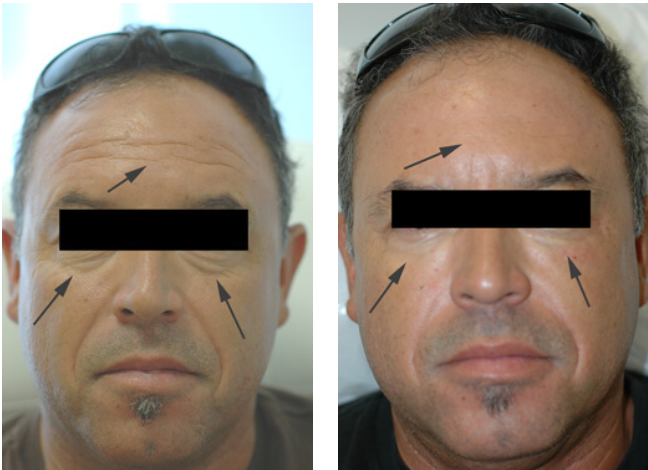
The assessment process for aesthetic medicine requires practitioners to examine patient medical records along with their medication lists and allergy information and past medical treatments and particular beauty issues. The doctor needs to examine the specific body part which requires medical attention during the treatment process.
The purpose is straightforward: before recommending or providing a medical treatment, the provider should have enough information to make an appropriate clinical decision.
A Good Faith Exam serves as more than basic documentation because it functions as an essential medical evaluation which occurs before your scheduled appointment. Medical decisions require this particular procedure to establish their essential foundation for decision-making.
Why Is a Good Faith Exam Important for Aesthetic Treatments?
People usually connect Botox with filler treatments because these services appear in aesthetic clinic menus together with medical spa service menus.
Medical procedures with cosmetic injections require doctors to use medical products during their treatment sessions. Medical professionals require prescriptions to distribute Botox which they use as a treatment but they also inject dermal fillers which function as medical devices.
Medical staff must perform patient assessments for proper treatment decisions.
The medical professional needs to evaluate if the treatment will work effectively for the specific needs of this particular patient. Medical history together with medications and allergies and previous reactions and underlying conditions and treatment areas all play important roles in this situation.
The California Medical Board requires patients to understand cosmetic surgery qualifies as medical treatment because board-certified doctors conduct these procedures under state medical board supervision.
A Good Faith Exam provides an opportunity to address these issues before treatment begins.
What Is a Good Faith Exam in California?
If you want to locate information about California’s Good Faith Exam definition then you should know the state treats cosmetic medical procedures through different rules than it applies to standard beauty services.
The California Medical Board requires medical professionals who hold proper qualifications to conduct medical cosmetic treatments. The Board allows physicians to perform Botox injections but registered nurses and physician assistants need physician oversight when they perform Botox injection procedures.
California follows distinct regulations which determine medical practice operations and nursing duties and physician monitoring requirements and medical practice business management systems.
The treatment method together with professional license type determines the required standards so patients need to verify information which claims a Good Faith Exam needs to happen only once and that all aesthetic procedures follow the same rules.
The best way to proceed involves requesting the practice to explain their medical assessment and treatment monitoring system for the treatment you want to receive.
What Happens During a Good Faith Exam?
So, what should you expect during a Good Faith Exam?
The appointment is generally focused on determining whether the proposed treatment is medically appropriate for you.
Your provider may ask about:
- Your current medical conditions
- Previous medical procedures
- Prescription medications
- Over-the-counter medications and supplements
- Allergies
- Previous reactions to injections
- Previous cosmetic treatments
- Your aesthetic concerns
- Your expectations from treatment
The medical provider will conduct a facial examination together with the specific body area which requires treatment.
The provider will assess your facial muscles together with movement patterns and wrinkle locations when you seek Botox treatment. The provider will assess your facial structure together with skin condition and current volume distribution and target area for improvement when you want to get dermal filler treatment.
The information enables medical professionals to develop customized treatment plans which focus on patient-specific requirements instead of using generic injection approaches.
Is a Good Faith Exam Required for Botox?
Patients need to find accurate information about their first Botox treatment by looking up “good faith exam for Botox” and “Botox good faith exam”. Medical professionals need to conduct proper assessments before they can provide Botox treatment authorization through their approved medical authority.
The California Medical Board allows doctors to administer Botox injections while nurses and physician assistants must stay under doctor supervision to perform these injections. The Board also states that unlicensed individuals may not inject Botox.
The need to identify treatment responsible parties exists as one of the essential requirements.
The evaluation process for Botox treatment involves specific personnel who handle medical orders and perform injections under physician monitoring. Medical supervision from a physician or equivalent medical authority must exist during the treatment process.
Aesthetic practices which maintain their reputation should have no problem answering these important questions.
Is a Good Faith Exam Required for Fillers?
Another common search is “good faith exam for fillers.”
The primary function of dermal fillers differs from Botox because these substances help patients gain volume instead of producing short-lived muscle relaxation effects.
Medical professionals need to treat patients with fillers because these substances exist as medical interventions which require complete patient assessment before treatment.
Your medical background together with your treatment objectives and facial structure and previous filler procedures and the product selection will need to be assessed by your doctor before you get a filler injection.
The evaluation process helps doctors identify which patients should get filler treatments to address their medical needs.
Patients tend to believe that specific facial lines need filler treatment but the actual problem stems from muscle actions and skin condition and other facial aging elements.
A skilled healthcare professional needs to describe all essential differences before beginning any medical procedure.
Why Does Your Medical History Matter Before Botox or Fillers?
You might experience complete health while you question why doctors need your medical records during your aesthetic treatment.
Medical treatments create connections with external elements which people cannot detect through visual assessment.
Your provider must understand your medical background including all medications and allergy information and previous allergic reactions and existing health problems and your current pregnancy or breastfeeding status and any past cosmetic treatments you have undergone.
Your medical records will help your doctor find situations which require treatment delays or treatment method changes or complete treatment cancellations.
The main purpose of this system does not stop you from receiving medical care. Medical staff will use your medical details to decide which treatment path suits you best.
Does a Good Faith Exam Mean You Cannot Get Treatment?
Not necessarily.
The evaluation process called Good Faith Exam does not need providers to find medical conditions during their examinations.
Aesthetic patients who seek treatment want to fix their cosmetic concerns. The evaluation process allows providers to assess if the requested treatment fits the patient needs while they need to talk about treatment risks and other medical options.
The assessment process shows that the recommended treatment approach proves appropriate for this particular case. The provider might suggest an alternate treatment approach while they decide to delay medical care or they might determine the proposed therapy does not suit this case.
The evaluation holds essential value because of this exact reason.
Why Should You Ask Who Will Perform Your Treatment?
Choosing an aesthetic provider involves more than comparing prices.
Before receiving Botox or fillers, you should know:
- Who will perform the injection?
- What type of medical license do they have?
- What training and experience do they have with the procedure?
- Who provides medical supervision when required?
- Who evaluated you before treatment?
- What happens if you develop a complication?
- Who should you contact after the procedure?
- What risks and alternatives were discussed with you?
The California Medical Board encourages patients to verify the qualifications and licensing of people performing cosmetic procedures and to understand how physician supervision is provided when applicable.
These questions are especially important when a treatment is being offered at a very low price or outside a traditional medical setting.
Why Is Patient Safety More Important Than a Low Price?
The prices for aesthetic treatments show different levels of price variations but the lowest cost treatment does not guarantee the best value.
The evaluation of clinics needs to surpass the basic comparison of Botox and filler prices. The assessment process should include evaluation of injector credentials and medical assessment methods and facility standards and product selection and post-treatment monitoring options.
Patients should watch out for cosmetic procedures which appear at extremely low prices according to the California Medical Board. The California Medical Board suggests people should verify their treatment providers’ professional credentials before seeking their services.
A safe aesthetic experience should begin with appropriate medical care—not simply a promotional offer.
What Questions Should You Ask Before Your First Aesthetic Treatment?
If you have never received Botox or fillers before, it is completely reasonable to ask questions.
You can ask the clinic:
Who will perform my treatment?
Knowing the injector’s professional credentials is an important first step.
Will I receive a medical evaluation before treatment?
Ask what the evaluation involves and who will perform it.
Who provides medical supervision?
If your treatment is performed by a nurse or physician assistant, ask how the required medical supervision is structured.
What product will be used?
You should know whether you are receiving Botox, another neuromodulator, or a specific dermal filler.
What are the risks?
A qualified provider should be willing to explain both common side effects and more serious potential complications.
What happens if I have a problem afterward?
You should know who to contact and what follow-up care is available.
What Is the Difference Between a Good Faith Exam and a Consultation?
A cosmetic consultation and a Good Faith Exam can overlap, but they are not necessarily the same thing.
A consultation often focuses on your aesthetic goals, treatment options, expected results, and pricing.
A medical evaluation is more focused on determining whether a treatment is clinically appropriate based on your health history and examination.
In some practices, these conversations may happen during the same appointment. What matters most is that the appropriate medical evaluation and decision-making take place before treatment when required.
What Should You Know About Good Faith Exams in California?
Do not use general knowledge from other states when you study the Good Faith Exam California patients must get before receiving Botox or filler treatments. The state of California maintains separate rules for aesthetic medicine which include medical practice standards and nursing practice boundaries and supervision requirements and cosmetic treatment regulations.
The California Medical Board together with the California Board of Registered Nursing serve as primary references which show the current professional and regulatory requirements. The Nursing Practice Act of California functions as the legal instrument which defines registered nursing practice standards throughout the state.
For patients, the practical takeaway is simple: choose a qualified medical practice that takes the evaluation, treatment, supervision, and follow-up process seriously.
What Is the Bottom Line About a Good Faith Exam?
A Good Faith Exam for aesthetics is more than a formality. Medical providers need to conduct this assessment before they start cosmetic procedures because it serves as a necessary part of their responsible medical practice.
The selection of Botox or dermal fillers or other injectables depends on your medical background together with your current medications and your body structure and former treatment experiences and your desired appearance results.
You need to remember that California requires medical evaluations for Botox and filler treatments so you should ask about this process and find out who will handle your treatment needs.
At Celibre Medical we treat aesthetic procedures with the same medical standards which protect patients and provide customized treatment solutions. The evaluation process needs to create a treatment plan which stems from your personal requirements instead of following a universal treatment approach.