
Fractional laser resurfacing appears as a common solution during skin improvement research which aims to enhance texture, tone, and clarity. The scientific explanation behind this technology stands as an impressive example of technical mastery although its fundamental idea becomes easy to understand through basic analysis.
The guide provides full details about fractional laser treatment including its definition and operating principles and suitable candidates and typical treatment outcomes and healing process.
How Laser Resurfacing Has Changed From Full-Field to Fractional
The medical community needs to learn about the past developments which led to fractional laser resurfacing technology for them to understand its special features.
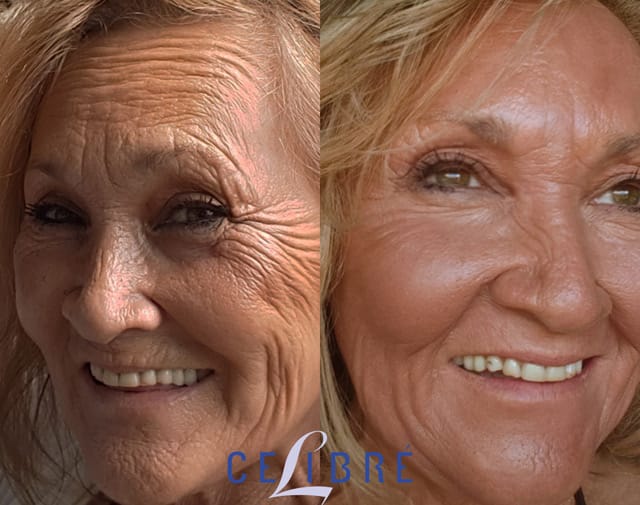
Medical professionals during the 1990s and early 2000s performed laser resurfacing as a single major treatment which used CO2 laser technology for full-field skin treatment. The laser eliminated the complete outer skin surface of the treated area during the procedure. The medical results showed strong effects yet the patients experienced strong adverse effects. Medical professionals would need to wait between two and four weeks for patients to reach full recovery.
The medical treatment created a high probability of infection which would lead to scarring and permanent skin damage that looked like waxy texture. The medical procedure created a dangerous situation for patients who had dark skin which made most people in the population ineligible for treatment.
The entire situation underwent a complete transformation during the year 2005. The skin resurfacing approach transformed through the introduction of fractional laser technology which brought an entirely new method to skin treatment.
What Is a Fractional Laser? Understanding the Technology
So, what is a fractional laser, exactly?
The term “fractional” describes how laser energy becomes distributed during its delivery process. The fractional laser method delivers skin treatment to specific areas instead of treating complete skin surfaces while it keeps untouched skin sections between the treated zones. The laser beam travels through a fine grid which functions as a strainer to create multiple narrow light beams from its single entry point.
The micro-beams transform into thermal energy when they reach skin tissue which results in the formation of small channels and tiny holes in the skin. Your body activates its natural healing process when you create a controlled wound on yourself. The skin creates new collagen and elastin during its repair process by building these proteins in the deep layers of skin while the outer layer develops new cells to take the place of damaged ones.
The treatment produces skin that becomes more even-textured while gaining better firmness and brightness through methods which avoid the aggressive techniques used in previous skin resurfacing treatments.
The system allows users to change treatment density levels according to their needs. A lighter fractional treatment would treat about 10% of the skin surface but a more intensive session would treat between 50 and 70 percent. The treatment offers various options which make fractional laser skin resurfacing an adaptable choice for patients.
Fractional Laser vs. Traditional CO2 Resurfacing: Key Differences
| Name | Fractional Laser | Traditional Full-Field CO2 |
| Skin types treated | All skin tones, including dark skin | Light skin tones only |
| Anesthesia needed | Topical only | General anesthesia often required |
| Downtime | ~1 week | 2–4 weeks |
| Risk of complications | Low | Higher |
| Number of sessions | Multiple sessions recommended | Typically one session |
The results of several fractional laser resurfacing treatments are comparable to a single traditional CO2 ablative treatment but with significantly less risk and a much more manageable recovery.
What Can Fractional Laser Skin Resurfacing Treat?
Fractional laser treatment is effective for a wide range of skin concerns, including:
- Acne scars and acne scarring: one of the most common and impactful uses
- Fine lines and wrinkles: especially around the eyes, mouth, and forehead
- Large pores: reducing pore visibility for a smoother complexion
- Sun damage and uneven pigmentation: improving tone and clarity
- Overall skin rejuvenation: restoring a more youthful, refreshed appearance
- Skin texture irregularities: smoothing rough or uneven surface texture
Because fractional skin resurfacing works on all skin types and tones including darker, African-American skin it’s one of the most inclusive resurfacing options available today.
What to Expect: The Fractional Laser Resurfacing Procedure
Before Your Treatment
Licensed providers conduct assessments to establish correct treatment intensity and session quantity which suits your skin characteristics and desired results. The medical staff will advise you to stay away from sunlight while avoiding specific skincare products and prescription medications during the upcoming weeks.
During the Treatment
The medical staff applies a topical numbing cream before treatment to keep you comfortable during the procedure. The fractional laser handpiece moves across the treatment area to create an exact grid-pattern of energy distribution. The treatment sessions last between 30 and 60 minutes depending on the area which needs treatment.
After Your Fractional Laser Treatment
The skin will show redness and swelling while feeling like it has a sunburn during the first few days after treatment. Your skin will experience normal healing process which includes peeling and shedding during the recovery phase. Most people see significant improvement within 5–7 days and are comfortable returning to normal activities within a week.
The complete results develop through a gradual process which lasts between several weeks and multiple months while collagen remodeling progresses under the skin.
Is Fractional Laser Safe? What You Should Know
A common question is: is fractional CO2 laser safe? The short answer is yes when performed by a qualified, experienced provider using FDA-cleared technology.
The fractional method preserves unbroken skin areas which helps patients recover faster while minimizing their chances of developing infections or permanent scars from standard ablative treatments. The treatment maintains a proven track record for safety when medical personnel perform it correctly on patients from all skin types.
Medical aesthetic procedures need proper assessment and correct technique and proper aftercare to produce effective results. Patients should receive treatment from licensed experts who possess knowledge about fractional laser technology.
The Benefits of Fractional Laser Resurfacing at a Glance
- Safe for all skin types and tones, including darker complexions
- No general anesthesia required just topical numbing
- Shorter downtime (approximately one week vs. 2–4 weeks for full ablative CO2)
- Reduced risk of infection, scarring, or the “waxy” appearance associated with older methods
- Highly customizable treatment density to suit your skin goals
- Long-lasting results that improve over time as collagen remodels
- Effective for acne scars, fine lines, large pores, and overall skin rejuvenation
Frequently Asked Questions About Fractional Laser Resurfacing
1. What does fractional laser resurfacing mean and how is it different from regular resurfacing?
The laser in fractional skin resurfacing operates by treating separate sections of the skin surface which results in untouched healthy skin between treated areas. The traditional full-field laser resurfacing method eliminates all skin tissue which exists in the treatment area. The fractional method produces similar outcomes through reduced recovery time and decreased medical dangers and it works for various skin colors.
2. How many fractional laser treatments will I need?
The treatment requires three sessions between one and three sessions to achieve noticeable results but the exact number depends on your skin needs and treatment approach. The treatment for acne scars and severe skin texture problems requires multiple sessions which must occur four to six weeks apart. Your provider will recommend a personalized plan during your consultation.
3. Does fractional laser resurfacing hurt?
The majority of patients report that the treatment feels like a rubber band hitting their skin while others experience a warm sensation. The medical staff applies numbing cream to the skin before treatment to reduce patient pain during the procedure. Any redness or sensitivity after the session typically resolves within a few days.
4. What is the downtime for fractional skin resurfacing?
The healing process takes about five to seven days during which patients experience visible redness and peeling and mild swelling. People start to feel ready for social activities during their first week of recovery. The new method provides patients with multiple weeks of decreased recovery time when compared to standard CO2 resurfacing which needs 2–4 weeks for full recovery.
5. Is fractional laser resurfacing effective for acne scars?
Yes, fractional laser resurfacing is one of the most effective treatments available for acne scarring. The laser treatment activates skin collagen production which works to fill and smooth out depressed scar tissue in the deeper skin layers. Multiple sessions are typically recommended for the best outcome, and results continue to improve for several months after treatment.