
While it may sound like a fancy, unusual word, melasma is a very common skin condition. You might have noticed dark brown patches on your cheeks, forehead, or upper lip, maybe even thought it was just your skin reacting to the sun. These patches often appear suddenly during pregnancy, while taking birth control, or even after a summer vacation, and they tend to be symmetrical. The frustrating part? They’re difficult to cover with makeup.
What is Melasma?
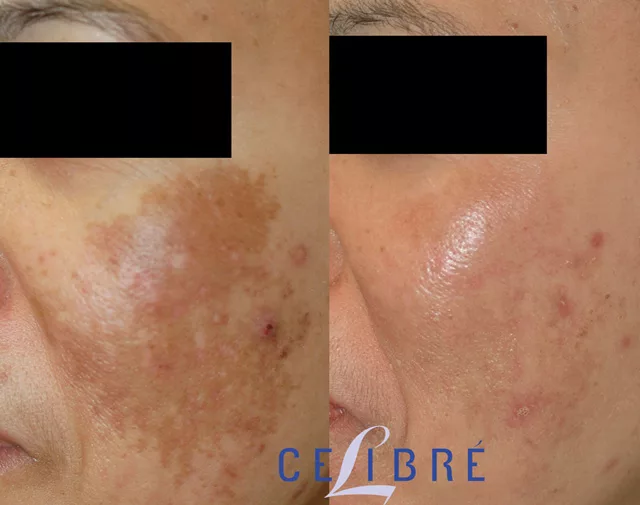
Melasma is a form of hyperpigmentation where the skin overproduces melanin in specific areas. It is distinct from typical sunspots because of its larger, blotchy appearance and its tendency to appear on both sides of the face in a similar pattern. While it is most famous for appearing on the face, it is also frequently found as melasma on the chest or neck, areas that are often exposed to the sun but forgotten during sunscreen application.
What Causes Melasma?
Many people wonder what causes melasma, and the truth is, we don’t know exactly. What we do know is that several triggers can make it appear or worsen:
- Hormonal Changes: Pregnancy (sometimes called the “pregnancy mask” or chloasma), birth control pills, and menopause are the most common triggers.
- Sun Exposure, Heat, and Humidity: These don’t cause melasma directly, but they can significantly worsen it. UV rays and even the heat from a humid day can trigger pigment-producing cells.
- Genetics and Skin Type: Some people are naturally more prone to melasma than others, particularly those with darker skin tones who have more active melanocytes.
Because the exact cause isn’t fully understood, melasma can be challenging to treat and may be a chronic condition for many people.
Common Areas of Concern: Lips and Chest
Specific areas of the body can be more distressing when melasma appears:
Melasma on Lips and Upper Lip
Melasma on the upper lip is one of the most common complaints. It often creates a dark shadow that resembles a mustache, which can be particularly tough on a person’s confidence. Melasma on the lips themselves (the vermilion border) is also possible, requiring very gentle treatment due to the sensitive nature of the lip tissue.
Melasma on the Chest
Melasma chest patches usually appear in a V-shape, following the neckline of your clothing. This “extra-facial” melasma is a reminder that any skin exposed to heat and light can develop these stubborn patches.
Managing Melasma
Even though melasma can be persistent, it can be effectively managed. Many patients have struggled with it for years, trying different creams or home remedies with limited success. At a professional clinic, specialized treatment options are available to help reduce the appearance of melasma and prevent it from worsening.
Common approaches include:
- Topical Prescription Creams: To lighten patches using ingredients like hydroquinone or azelaic acid.
- Laser or Light-based Treatments: Advanced technology to target deep pigmentation without damaging the surrounding skin.
- Lifestyle Adjustments: Including strict sun protection, avoiding heat triggers, and using gentle skincare products.
Frequently Asked Questions (FAQ)
1. Can melasma go away on its own?
Melasma sometimes fades after pregnancy or when hormonal changes stabilize, but for many people, it’s a chronic condition. Professional treatment can help manage it and improve skin tone.
2. Is melasma only caused by the sun?
No. While sun exposure can worsen melasma, it is not the root cause. Hormonal changes and genetics play a bigger role. Daily sunscreen is key to preventing flare-ups.
3. Who gets melasma?
It is more common in women than men, especially those between 20 and 50. People with darker skin tones are often more prone, but anyone can develop it.
4. Can makeup cover melasma?
Makeup can help, but melasma patches are often stubborn and hard to fully conceal. Professional treatments can reduce the need for heavy makeup.
5. Is melasma painful or dangerous?
No, melasma is not harmful or painful. It’s primarily a cosmetic concern, but it can significantly affect confidence and self-esteem.
6. Can men get melasma, too?
Yes, although less common, men can develop melasma, usually triggered by intense sun exposure or specific hormonal shifts.
Support and Guidance
We understand how frustrating melasma can be. It’s not just a cosmetic concern; it can affect your confidence and how you feel when you look in the mirror. But with the right treatment plan and guidance, you can regain clearer skin and control over your condition.
At Celibre Medical, we’ve helped countless patients, mostly women, but some men too, gain control over their melasma. We focus on understanding your skin, providing effective treatment options, and teaching you how to avoid triggers that make melasma worse. With the right support, clearer, more even skin is possible.