
What Is Photoaging?
People use the term photoaging to describe their photo appearance when they show signs of aging in their pictures. People who spend time in the sun develop photodamage which leads to skin damage that shows as visible signs known as photoaging. The sun emits ultraviolet light which people can also receive through tanning beds that operate inside buildings. The skin shows signs of accelerated aging when people spend too much time under UV rays which make them look older than their actual age.
What exactly defines photoaging as a condition? The skin develops premature changes because of repeated ultraviolet radiation exposure which leads to photoaging. Photoaging skin damage results from environmental factors which include sunlight exposure that differs from the normal aging process.
People who want to learn about photoaging also look up the terms what is photo aging and what is photo ageing and photoaging definition. The skin develops visible changes and structural damage because of photoaging which occurs when people spend too much time under UV light exposure.
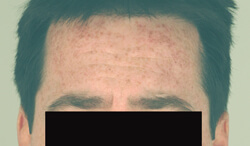
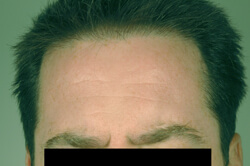
Sun spots before and after pictures
Photoaging vs. Normal Aging
People understand that sun exposure leads to skin cancer but most individuals fail to grasp how sunlight causes skin to age before its time. People get wrinkles and dark spots and their skin texture changes at different times because photoaging differs from typical aging patterns.
The human body experiences its regular change through aging as a part of natural biological development. The skin shows premature photoaging because UV rays from the sun cause its appearance to deteriorate at a faster rate. The skin starts showing wrinkles and pigmentation and sagging and roughness at an earlier stage than what would occur during regular aging.
People usually apply sunscreen during their beach visits and when they stay outside for long periods but only a few make sunscreen application a part of their everyday life. The daily practice of sun protection serves as the strongest method to keep your skin appearance younger than its actual age.
What Does Photoaged Skin Look Like?
So, what does photoaging skin or photoaged skin actually look like? The skin develops multiple changes because of continuous sun exposure which leads to alterations in its surface characteristics and tone and flexibility.
The skin develops a rough texture from photodamage which makes it feel uneven and dry. The skin develops dark spots which spread into larger areas of pigmentation throughout the passing years. The skin experiences UV radiation damage which affects its deep connective tissues to produce thin and sallow skin that develops sagging.
The skin develops wrinkles which start as fine lines before they progress into deep wrinkles. The photoaging face exhibits specific aging signs which result from multiple years of sun exposure which causes skin damage.
The term photoaged skin describes skin which shows visible changes because of extended and repeated exposure to ultraviolet rays.
Common Signs of Photodamage
If you have visited a dermatologist recently, you may have heard several terms used to describe photodamage or photoaging.
The appearance of small blood vessels which become visible leads to the development of both facial redness and spider veins. Sun spots and liver spots and age spots and freckles represent the common names which people use to describe the dark spots that appear after spending too much time in the sun.
People who ask about photodamage need to understand that it leads to various skin changes which appear after multiple UV exposures. The skin develops photodamage when ultraviolet radiation exposure leads to permanent damage which forms on the skin surface during extended periods of time.
Common signs of photoaging may include:
- Fine lines and deep wrinkles
- Rough or uneven skin texture
- Dark spots and patches of pigmentation
- Sun spots and age spots
- Facial redness
- Visible blood vessels and spider veins
- Loss of skin elasticity
- Thin, saggy, or sallow-looking skin
These visible signs can gradually become more noticeable as UV exposure accumulates throughout the years.
Can You Prevent Photoaging?
People need daily sun protection to stop photoaging from happening. People tend to focus on treating their visible signs after they appear but prevention remains the most effective treatment method.
The market offers various over-the-counter creams which promise to deliver amazing results but customers need to exercise caution before making any purchases. The photodamage signs which physician-grade skincare products with higher strength can reduce but no single product exists to eliminate all aging signs completely.
Mom always used to say that small preventive actions would save us from needing to deal with big problems. The best way to combat photoaging requires people to stay away from harmful UV rays which cause excessive skin damage right from the start.
People should establish sunscreen use as a daily habit together with appropriate sun protection methods to stay away from harmful UV radiation which causes skin damage.
Photoaging Treatment Options
The visible effects of photoaged skin become apparent to you when you first notice these signs which start to show up. People who want to fix their photodamaged skin appearance and texture and brightness should consider laser treatment as an effective solution. The Class IV medical lasers serve to treat multiple skin problems which include excessive redness and spider veins and brown spots and wrinkles and fine lines.
However, not every case of photoaging is exactly the same. The treatment methods for each type of photodamage need to be different because each damage type requires specific care.
If you want to get laser treatment for photoaging you need to select a reliable laser specialist who works with many FDA-approved devices which address your particular photodamage concerns.
Can Photoaging Be Reversed?
The visible indicators of long-term sun exposure become treatable through various methods yet no single skincare product or treatment exists to cure all photoaging symptoms. A complete treatment method would require medical procedures together with suitable skin maintenance and patients need to protect their skin from sun exposure at all times. The treatment plan focuses on treating your current photo damage while the medical team works to stop any future skin damage from ultraviolet rays.
Human skin develops major changes in appearance and texture when photoaging occurs. People who want to protect their skin from UV rays need to understand what photoaging is because this knowledge will help them protect their skin properly.
You should locate a medical practice which provides both expert treatment and complete solutions for your sun damage concerns. Medical specialists together with proper treatment methods will help you reduce the visible effects of long-term sun exposure.