
Do you notice persistent redness, irritation, flaking, or acne-like bumps on your face that won’t go away even past your mid-twenties? You may be dealing with rosacea. While it’s often recognized by facial redness, this chronic skin condition can also cause discomfort, sensitivity, and breakouts that resemble acne.
Unfortunately, rosacea has no known cure. However, with proper treatment and care, you can significantly reduce its symptoms and prevent flare-ups. Let’s take a closer look at what causes rosacea, how it affects your skin, and how pulsed dye laser treatments can help manage it.
What Is Rosacea?
Rosacea is a chronic inflammatory skin condition that mainly affects the face—especially the cheeks, nose, chin, and forehead. The condition causes small blood vessels (telangiectasias) beneath the skin to become enlarged, leading to visible redness and flushing. Over time, untreated inflammation can make the skin more sensitive and even cause permanent texture changes.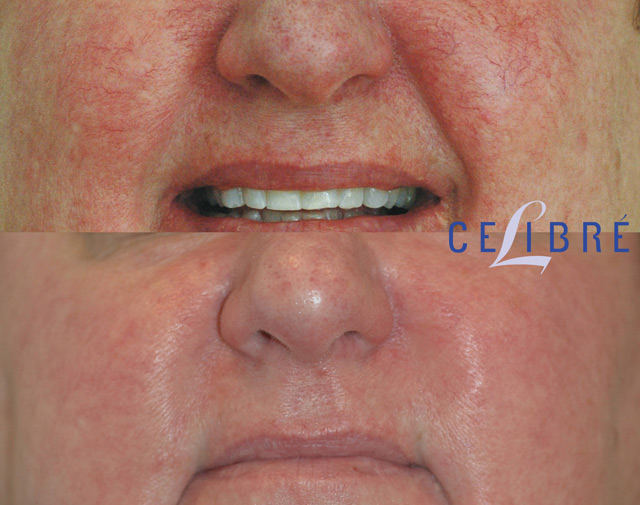
In severe cases, the skin around the nose can thicken and become swollen, a condition known as rhinophyma.
Common Symptoms of Rosacea
Rosacea can look different from person to person, but some of the most common signs include:
- Persistent facial redness or flushing
- Visible blood vessels on the cheeks and nose
- Burning or stinging sensations
- Dry, flaky skin
- Small, red, acne-like bumps
- Swelling or thickening of the skin (especially around the nose)
If you experience several of these symptoms, it’s a good idea to see a skincare professional for a proper diagnosis and treatment plan.
What Causes Rosacea?
The exact cause of rosacea is still unclear, but experts believe it results from a combination of genetic and environmental factors. Some of the main triggers and risk factors include:
- Genetics: A family history of rosacea or sensitive skin can increase your risk.
- Environmental exposure: Sunlight, wind, or extreme temperatures can trigger flare-ups.
- Stress: Emotional stress often worsens inflammation.
- Diet: Spicy foods, alcohol, and hot beverages are known triggers.
- Microbial imbalance: An overgrowth of normal skin bacteria (such as Demodex mites) can play a role.
While you can’t change your genetics, understanding and managing your triggers can make a big difference in keeping rosacea under control.
How to Manage and Treat Rosacea
Rosacea management focuses on reducing inflammation, minimizing redness, and preventing flare-ups. Here are some ways to help:
- Use gentle skincare products: Choose fragrance-free cleansers and moisturizers designed for sensitive skin.
- Always wear sunscreen: UV exposure is one of the most common rosacea triggers.
- Identify and avoid triggers: Keep a diary of foods, drinks, and activities that cause flare-ups.
- Seek professional treatment: Certain procedures can effectively reduce redness and visible blood vessels.
Pulsed Dye Laser Treatment for Rosacea
At Celibre Medical, we use FDA-approved pulsed dye lasers (PDL) to safely and effectively target rosacea symptoms. This advanced laser technology specifically targets the small, dilated blood vessels that cause redness. By delivering controlled bursts of light energy, it helps shrink these vessels and reduce flushing.
Pulsed dye laser treatments not only improve the skin’s appearance but can also slow the progression of rosacea by minimizing ongoing inflammation.
Our team takes a personalized approach, helping you understand your triggers and designing a treatment plan that fits your skin’s needs.
Living with Rosacea
Although rosacea cannot be cured, it can be managed successfully. With the right skincare, lifestyle habits, and laser treatments, you can keep symptoms under control and maintain clear, healthy-looking skin.
If you’re struggling with redness or irritation and think you may have rosacea, contact Celibre Medical in Torrance today. We’ll help you understand your condition, identify your triggers, and create a plan to restore your confidence.