
Acne scars create ongoing challenges because they stay visible after the initial acne breakouts have disappeared. The medical field now uses laser technology as its top method for treating acne scars which produces successful results. Most patients expect to see their complete results after their final laser treatment session. Skin tissue continues its healing process during the months following medical interventions.
You will find positive answers about acne scars after laser treatment when you seek information about this topic. The body heals itself through natural processes while the lag effect allows your skin to produce collagen which leads to skin improvement after you finish your laser treatment.
The guide reveals the reasons behind this occurrence, shows the expected results, and teaches people how to speed up their skin healing process after laser acne scar treatment.
What Happens to Acne Scars After Laser Treatment?
Laser treatment doesn’t simply remove acne scars during your appointment. The medical procedure triggers your skin to activate its natural repair system.
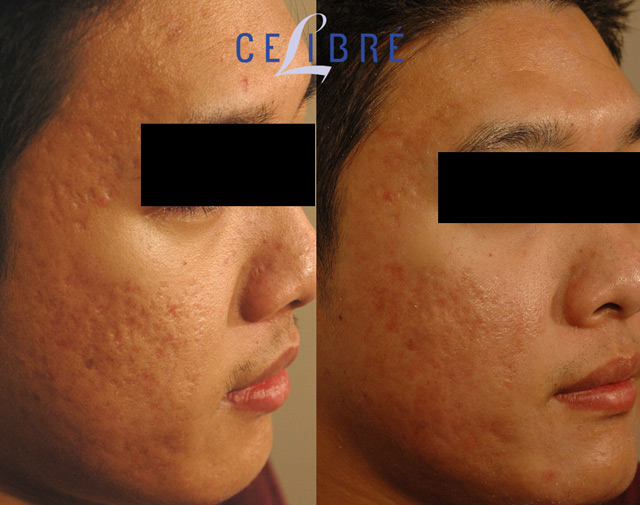
Medical lasers create controlled microscopic injuries within the skin. The body starts its healing process when these small treatment areas become active although they might seem scary at first.
As your skin heals, it begins producing:
- New collagen
- New elastin
- Healthier skin tissue
- Improved skin texture
This natural remodeling process is why acne scars often continue improving even after your final treatment session.
Understanding the “Lag Effect”
One of the most important concepts in laser dermatology is something called the lag effect.
The body continues its healing process and collagen production after laser treatment sessions reach their end because of the lag effect.
Your skin maintains its repair process for multiple months following the completion of your last treatment session.
This ongoing collagen production helps:
- Soften acne scars
- Smooth uneven skin
- Reduce scar depth
- Improve skin firmness
- Blend scars with surrounding skin
Many patients notice their skin looks even better three to six months after completing their treatment series.
Why Does Collagen Continue to Grow?
The protein called collagen serves as the main structural element which maintains skin firmness and smoothness and preserves its youthful appearance.
The skin develops acne scars because inflammation causes damage to the collagen structure which exists in the skin tissue.
Laser treatments activate your body’s self-healing mechanism which stimulates fibroblast cells to produce new collagen fibers.
The body produces new collagen through collagen remodeling which differs from fillers because it creates results that develop over time.
The body shows ongoing improvements after laser treatments because the healing process persists throughout the entire recovery period.
The body requires sufficient duration to finish its complete healing stage.
How Long Do Acne Scars Continue to Improve?
Every patient heals differently, but research and clinical experience show that collagen production can continue for up to six months after the final laser treatment.
Many patients experience improvements in stages:
First Few Days
- Mild redness
- Swelling
- Tightness
- Skin sensitivity
These effects are temporary and usually resolve quickly.
First Month
The skin begins repairing itself.
Patients often notice:
- Brighter skin
- Improved tone
- Reduced redness
- Smoother texture
Two to Three Months
New collagen becomes more noticeable.
Acne scars may appear:
- Shallower
- Softer
- Less visible
- Better blended into surrounding skin
Three to Six Months
This is when many patients experience the full benefits of the lag effect.
Skin continues remodeling beneath the surface, leading to continued improvements in acne scars after laser treatment.
Do Pigmented Acne Scars Improve Too?
Yes.
Laser treatments can improve both:
- Red acne scars
- Brown acne scars
Red scars usually result from increased blood vessels after inflammation.
Brown scars are often caused by post-inflammatory hyperpigmentation.
Certain laser technologies specifically target unwanted pigment while also stimulating collagen production.
As healing continues, patients often notice:
- Less redness
- More even skin tone
- Reduced discoloration
- Brighter complexion
The lag effect contributes to these gradual improvements as well.
Why Results Are Not Immediate
People often wrongly assume that laser treatments function similarly to Photoshop because they believe these procedures create immediate perfect skin results.
The human body depends on its self-repair mechanisms to achieve healing when medical staff perform laser treatments.
People consider laser treatment as the first step in their body restoration process.
The medical treatment generates healing conditions which the body follows to complete its healing process.
Patience stands as the essential factor which leads to achieving outstanding results.
Which Types of Acne Scars Respond Best?
Laser treatments can improve several types of acne scars, including:
Rolling Scars
These shallow depressions often respond very well because collagen helps lift the skin.
Boxcar Scars
Laser resurfacing can soften sharp edges and improve skin texture.
Atrophic Scars
Indented scars frequently improve through collagen remodeling.
Mixed Acne Scars
Many patients have several scar types that benefit from customized laser treatment plans.
Deep ice pick scars may require combination treatments in addition to laser therapy.
How Many Laser Sessions Are Usually Needed?
The number of sessions depends on:
- Scar severity
- Scar depth
- Skin type
- Treatment goals
- Laser technology used
Most patients require between three and six laser treatments for noticeable improvement.
Severe acne scarring may require additional sessions or combination therapies.
Your provider will create a personalized treatment plan based on your skin’s needs.
How to Support Healing After Laser Treatment
Proper aftercare can maximize collagen production and improve your final results.
Most providers recommend:
- Wearing broad-spectrum sunscreen daily
- Keeping the skin moisturized
- Avoiding excessive sun exposure
- Using gentle skincare products
- Following all post-treatment instructions
Avoid picking at peeling skin, as this may interfere with healing.
Healthy habits like proper hydration, balanced nutrition, and avoiding smoking can also support collagen production.
Are Laser Results Permanent?
Your body produces collagen naturally through laser therapy which creates permanent skin improvements.
People need to keep their skin healthy because it serves as their first body defense against illnesses.
The skin of someone who experiences acne breakouts will develop fresh scars from future breakouts.
Your laser results will stay protected through an effective skincare routine which stops acne from developing.
Patients select single maintenance sessions to maintain their skin appearance through these treatments.
When Will You See the Best Results?
While some improvement is visible after each treatment, the most dramatic changes often appear months later.
This delayed improvement surprises many patients.
The combination of:
- Laser technology
- Natural healing
- Ongoing collagen production
- The lag effect
allows your skin to continue improving long after treatment has ended.
This gradual transformation often produces natural-looking results rather than sudden changes.
Frequently Asked Questions
Do acne scars keep improving after laser treatment?
Yes. The lag effect causes your body to create collagen for multiple months following your last laser treatment which results in continuous improvement of acne scars during this period.
How long does the lag effect last?
Research and clinical experience suggest that collagen remodeling may continue for up to six months after the last laser treatment.
Why don’t I see immediate results?
Laser treatments enable the body to heal itself instead of producing immediate scar elimination. Your body needs time to produce new collagen and rebuild healthy skin.
Can laser treatment remove acne scars completely?
Most laser treatments significantly improve acne scars, but complete removal is uncommon. The goal is to achieve better skin texture while making scars less visible and obtaining uniform skin tone.
Is laser treatment effective for red acne scars?
Yes. Multiple laser systems work to decrease skin redness while they also enhance skin surface through their ability to trigger collagen production.
How many laser sessions are needed?
Most patients benefit from three to six treatments, although deeper or more extensive scarring may require additional sessions for optimal results.
Final Thoughts
Patients who want to prevent acne scar appearance after laser treatment need to understand that their skin recovery process extends past their last treatment session. The human body continues to generate fresh collagen tissue which enables patients to observe their skin becoming smoother and their scars becoming less visible while their skin tone improves until six months after their treatment ends.
The lag effect produces continuous enhancement which emerges as the most essential advantage of laser acne scar treatment. The process of collagen remodeling requires time but it produces permanent changes which improve acne scar appearance and skin texture.
The best results require you to find a skilled laser professional who will guide you through the healing process by providing correct aftercare instructions and allowing your skin to recover at its natural pace.