
Light colored stretch marks are one of the most common skin concerns among both women and men. They often appear after pregnancy, rapid weight changes, growth spurts, or muscle gain. While these marks are harmless, many people want to reduce their appearance and wonder whether modern laser treatments can completely eliminate them.
The short answer is no lasers cannot completely remove stretch marks. However, they can significantly improve the color, texture, and overall appearance of the skin, especially when performed by experienced medical professionals using advanced laser technology.
In this guide, we’ll explain how laser stretch mark treatment works, what results you can realistically expect, and why light colored stretch marks require a different treatment approach than newer red stretch marks.
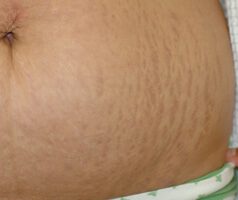
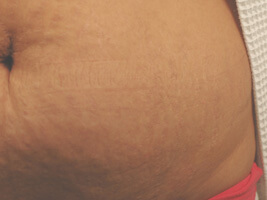
What Are Light Colored Stretch Marks?
Light colored stretch marks, also known as striae alba, are older stretch marks that have already gone through the body’s natural healing process. Unlike fresh red or purple stretch marks, these appear:
- White
- Silver
- Light pink
- Slightly depressed below the skin surface
These marks develop after the skin stretches beyond its normal capacity, causing tiny tears in the collagen and elastin fibers that support healthy skin.
Common causes include:
- Pregnancy
- Rapid weight gain or weight loss
- Puberty growth spurts
- Bodybuilding
- Hormonal changes
- Certain medical conditions
Once the skin heals, the damaged area loses much of its natural pigment, leaving behind light colored stretch marks.
Can Lasers Completely Remove Stretch Marks?
One of the biggest misconceptions is that laser treatments can erase stretch marks forever.
The reality is different.
Laser stretch mark treatment is designed to improve, not completely remove, stretch marks.
Even the most advanced medical lasers cannot restore damaged skin to the exact condition it was in before stretch marks formed. Instead, laser treatments focus on:
- Improving skin texture
- Stimulating collagen production
- Reducing the depth of stretch marks
- Blending stretch marks with surrounding skin
- Creating smoother-looking skin
Most patients experience noticeable improvement rather than complete disappearance.
Setting realistic expectations is one of the most important parts of successful treatment.
Why Colored Stretch Marks Respond Better
The one exception involves newer colored stretch marks.
Red, pink, purple, or brown stretch marks still contain excess blood vessels or pigment that can often be targeted with vascular or pigment-specific lasers.
In many cases, these colored stretch marks can be restored to a shade much closer to the surrounding skin.
However, once stretch marks become white or light colored, there is very little pigment left to target.
Treatment then shifts toward improving skin texture and stimulating new collagen rather than changing skin color.
Why Light Colored Stretch Marks Are More Difficult to Treat
Older stretch marks have already completed the body’s healing process.
At this stage:
- Collagen fibers are permanently altered.
- Elastin fibers have been damaged.
- Pigment-producing cells are reduced.
- The skin becomes thinner in the affected area.
Because of these structural changes, creams and lotions generally have very limited effectiveness.
Instead, treatments that stimulate the body’s natural repair process tend to produce better results.
How Laser Stretch Mark Treatment Works
Laser treatment uses concentrated light energy to create controlled microscopic thermal injuries beneath the skin.
While this may sound concerning, these tiny injuries actually trigger the body’s natural healing response.
During recovery, the body begins producing:
- New collagen
- New elastin
- Healthier skin tissue
Over several months, this remodeling process helps improve the appearance of stretch marks.
Rather than simply covering the problem, laser treatment encourages the skin to repair itself from within.
Why Collagen Is So Important
Collagen is the protein responsible for keeping skin:
- Firm
- Smooth
- Elastic
- Youthful
Stretch marks occur because collagen fibers tear during rapid skin stretching.
Laser treatments stimulate fresh collagen production, which can:
- Fill in depressed stretch marks
- Improve skin thickness
- Smooth uneven texture
- Make stretch marks less noticeable
Although the original skin cannot be recreated, collagen remodeling often produces impressive cosmetic improvement.
Are Laser Treatments Better Than Stretch Mark Creams?
Many over-the-counter creams promise to erase stretch marks, but scientific evidence supporting complete improvement is limited.
Topical products may help:
- Moisturize skin
- Improve skin softness
- Support overall skin health
However, they generally cannot repair damaged collagen deep beneath the surface.
Laser technology works differently by targeting the structural damage responsible for stretch marks.
For this reason, many dermatologists consider laser treatment one of the most effective options for improving older stretch marks.
Which Lasers Are Used for Stretch Marks?
Different lasers may be recommended depending on the age, color, and texture of your stretch marks.
Some commonly used technologies include:
Fractional Laser Resurfacing
Fractional lasers create microscopic treatment zones that stimulate collagen production while leaving surrounding tissue intact for faster healing.
These are often recommended for light colored stretch marks with texture changes.
Erbium Laser
Erbium lasers gently resurface the skin while encouraging collagen remodeling.
They are commonly used for improving skin texture with less downtime than more aggressive procedures.
CO₂ Fractional Laser
CO₂ lasers provide deeper collagen stimulation and may produce greater improvement in severe stretch marks, although recovery time is usually longer.
Your provider will determine which laser is best based on your skin type and treatment goals.
How Many Laser Sessions Are Needed?
Stretch marks cannot usually be treated in a single appointment.
Most patients require a series of treatments.
Depending on the severity of the stretch marks, treatment plans may include:
- 3–6 sessions
- Treatments spaced several weeks apart
- Continued collagen remodeling for months after the final session
Improvement is gradual because collagen production takes time.
Many patients continue seeing smoother skin for three to six months following treatment.
Who Is a Good Candidate?
Laser stretch mark treatment may be suitable for individuals who have:
- Light colored stretch marks
- White stretch marks
- Silver stretch marks
- Mature stretch marks
- Stable weight
- Realistic expectations
Patients should also be in good general health and willing to follow post-treatment skincare instructions.
A consultation with a qualified laser specialist can determine whether laser treatment is appropriate for your skin type.
What Results Can You Expect?
Results vary depending on:
- Age of the stretch marks
- Skin type
- Laser technology used
- Number of treatments
- Individual healing response
Many patients notice:
- Smoother skin texture
- Softer appearance
- Reduced visibility
- Better blending with surrounding skin
- Increased confidence
While complete removal is unlikely, significant cosmetic improvement is often achievable.
Aftercare Following Laser Treatment
Proper aftercare helps maximize your results.
Most providers recommend:
- Keeping the treated area clean
- Using gentle moisturizers
- Avoiding direct sun exposure
- Wearing sunscreen daily
- Following all post-treatment instructions
Collagen remodeling continues long after the skin appears healed, so patience is essential.
Frequently Asked Questions
Can light colored stretch marks disappear naturally?
No. Light colored stretch marks are considered permanent scars and typically do not disappear on their own. However, laser treatments can make them significantly less noticeable.
Are white stretch marks harder to treat than red ones?
Yes. White or light colored stretch marks have lost much of their pigment, making them more challenging to treat than newer red or purple stretch marks.
How long does laser stretch mark treatment take?
Each session usually lasts between 30 and 60 minutes, depending on the size of the treatment area.
Is laser stretch mark removal painful?
Most patients experience mild discomfort. Many clinics use cooling systems or topical numbing cream to improve comfort during treatment.
How many laser treatments are needed for light colored stretch marks?
Most people need between three and six treatment sessions, although larger or deeper stretch marks may require additional treatments.
Can laser treatment completely remove stretch marks?
No. The goal of laser treatment is improvement not complete removal. Most patients experience smoother skin, improved texture, and less visible stretch marks rather than total elimination.
Final Thoughts
If you’re searching for a way to completely eliminate light colored stretch marks, it’s important to understand the limitations of current technology. No laser treatment can fully erase stretch marks, but advanced medical lasers can dramatically improve their appearance by stimulating collagen production and smoothing the skin’s texture.
For many patients, this improvement is enough to restore confidence and make stretch marks far less noticeable. Compared with topical creams and home remedies, laser treatment remains one of the most effective options for addressing the underlying skin damage that causes stretch marks.
The best results come from working with an experienced laser specialist who can recommend the right treatment plan based on your skin type, the age of your stretch marks, and your cosmetic goals.