
Menu
If you’re wondering how does laser hair removal work and whether it truly delivers permanent results, the short answer is yes. Laser hair removal is currently the only proven method for permanent hair reduction, despite claims made by creams, waxing systems, or infomercials. When performed correctly, it is a safe, effective, and cost-efficient way to eliminate unwanted hair from nearly any area of the body.
Laser hair removal works by targeting specific structures within the hair follicle while leaving the surrounding skin unharmed—making it one of the most advanced aesthetic treatments available today.
A laser produces energy in the form of concentrated light. In laser hair removal, this light is calibrated to target melanin, the pigment responsible for hair and skin color.
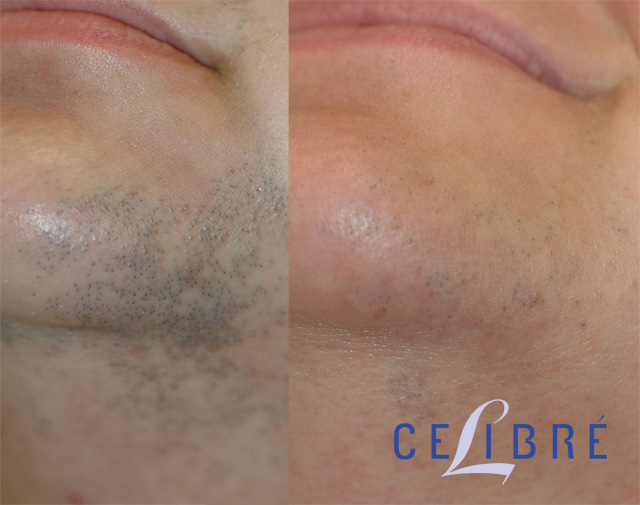
Dark hair contains higher concentrations of melanin, which is primarily located at the base of the hair follicle—also called the bulb. This bulb is supplied by tiny blood vessels that nourish the hair and allow it to grow.
When the laser is applied to the skin, the light energy is absorbed by the melanin in the hair bulb. This energy converts to heat, which damages the follicle and disables the blood vessels feeding it. Once the follicle no longer receives a blood supply, it can no longer produce hair. This is how laser hair removal achieves permanent results.
Although the process sounds straightforward, understanding why multiple sessions are necessary is just as important as knowing how laser hair removal works.
Hair grows in three distinct phases:
Only hair in the anagen phase contains enough melanin for the laser to effectively target the follicle. Because not all hair grows at the same time, multiple sessions are required to treat follicles as they enter this phase.
The body can partially repair follicles after thermal injury. Repeated treatments ensure the blood supply is fully shut down and hair growth is permanently stopped.
Most patients require treatments every 6–8 weeks, for a total of 6–8 sessions, to achieve optimal results.
Laser hair removal works best on thicker, darker hair because lasers are designed to detect melanin. At this time, laser hair removal is not effective for:
Some devices claim to treat light or grey hair using carbon sprays or pigments, but results are often inconsistent. It’s important to be cautious of providers who promise permanent results for hair types that current laser technology cannot reliably treat.
One of the most critical factors in successful laser hair removal is using the right laser device at the correct energy level.
Not all lasers work safely or effectively on all skin tones. Facilities that use a single “one-size-fits-all” laser often have to lower energy levels to avoid skin damage—resulting in less effective or incomplete hair removal.
Using the correct laser technology and customized settings ensures:
Laser hair removal is widely available, but achieving great results requires expertise, precision, and the right equipment.
Your at-home hair removal habits can significantly affect your results.
These methods remove the hair from the follicle, eliminating the melanin the laser needs to work.
Shaving cuts the hair at the skin’s surface while keeping the follicle intact, allowing the laser to effectively target it during treatment.
Now that you understand how laser hair removal works, the next step is determining whether it’s the right solution for your hair type, skin tone, and goals.
A professional consultation can help you:
If you’re interested in learning more or exploring your options, schedule a free consultation today. A professionally designed laser hair removal program can deliver superior safety, value, and long-lasting results when done the right way.