
Menu
Laser acne scar treatment has become one of the most reliable options for people who’ve lived with stubborn acne scars for years. You probably know the frustrating part already: the breakouts eventually stop, but the marks they leave behind stay. With today’s technology, lasers can deliver real, visible improvement where creams and home remedies haven’t.
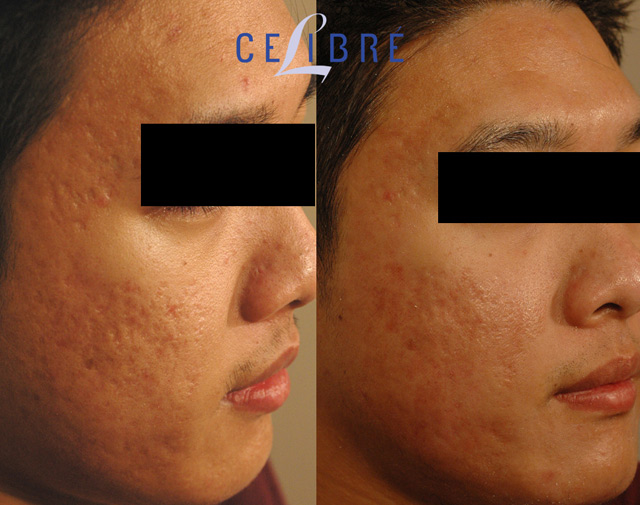
The catch is that no two scars are exactly alike, so one approach can’t work for everyone. Some people have shallow dips that catch the light in an unflattering way. Others have deep, sharp-edged pits that even the best foundation can’t hide. That’s exactly why laser acne scar treatment works so well: it can be tailored. The right method depends on the type and severity of your scarring, not on a one-size-fits-all protocol.
Shallow atrophic scars give the skin an uneven, wavy texture, and they respond well to non-ablative laser treatments. These lasers work beneath the surface while leaving the outer layer of skin intact, which means shorter downtime and a lower risk of irritation.
The laser sends gentle heat into the deeper layers of the skin, prompting your body to produce fresh collagen. You’ll need several sessions to see the full effect, but the payoff is worth it: results look natural, not “done.”
Ice pick and boxcar scars are a different story. They reach deeper into the skin, so they need a more direct approach. Ablative lasers use controlled energy to remove damaged skin layer by layer, starting from the surface.
As those outer layers shed, your skin naturally renews itself and builds new, healthier cells in their place. Expect about a week of redness, peeling, and mild swelling. It isn’t the most comfortable stretch, but once you’ve healed, the improvement in skin texture is often dramatic.
Many people don’t realize that the dark spots acne leaves behind aren’t technically scars. They’re post-inflammatory hyperpigmentation, and they call for a different treatment plan. This is especially common in medium to deep skin tones.
Laser alone usually isn’t enough here. The best results come from pairing it with depigmenting treatments, sometimes including hydroquinone, to bring excess melanin back into balance.
What your scars look like determines which treatment will work best and what results you can realistically expect. Laser acne scar treatment takes multiple sessions because improvement happens gradually as your skin regenerates and rebuilds collagen. Still, for people who’ve tried topical products with little success, it’s often the most meaningful progress they’ve ever seen.
That’s why a proper skin evaluation matters. A good provider will build a plan around your specific skin and scar type instead of following a generic routine.
Aftercare deserves more attention than most people give it, too. How well your skin recovers between sessions has a direct impact on your final results.
Ready to find the right laser acne scar treatment for your skin?