
Do you have redness, irritation, flaking, or acne-like bumps on your face that just won’t go away, even though you’re well past your teenage years? You may be dealing with rosacea. Most people know this condition for the red cheeks, but this long-term skin condition can also cause stinging, sensitivity, and breakouts that look a lot like acne.
There’s no cure yet. The good news is that the right care and treatment can calm the symptoms and keep flare-ups from coming back. Below, we explain what it is, what causes it, how it affects your skin, and how pulsed dye laser treatment can help.
What Is Rosacea?
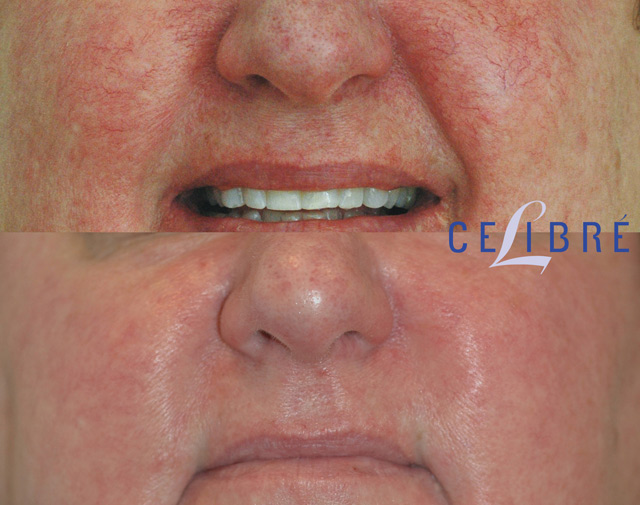 Here’s a simple rosacea definition: it’s a chronic, inflammatory skin condition that mostly affects the face, especially the cheeks, nose, chin, and forehead. It makes the tiny blood vessels under the skin (called telangiectasias) widen, so you see redness and flushing. Over time, ongoing inflammation can make rosacea skin more sensitive and can even change its texture for good.
In more severe cases, the skin around the nose can thicken and swell. This is called rhinophyma.
So what’s the rosacea meaning in plain terms? Think of it as skin that overreacts. Things that wouldn’t bother most people, like a hot drink or a windy day, can make a rosacea face flush bright red. According to the American Academy of Dermatology, it usually starts with a tendency to blush or flush more easily than other people.
The Early Stage: Pre-Rosacea
Some people use the term “pre-rosacea” for this early stage. You might notice that your face flushes easily and stays pink a little longer than it used to, but there are no bumps or visible vessels yet. Catching it at this point is helpful, because protecting your skin and avoiding triggers early can slow it down.
What Are the Symptoms of Rosacea?
It looks different from person to person. Still, the most common symptoms include:
- Redness or flushing on the face that doesn’t fade
- Visible blood vessels on the cheeks and nose
- Burning or stinging
- Dry, flaky skin
- Small, red, acne-like bumps
- Swelling or thickening of the skin, especially around the nose
- Dry, gritty, or irritated eyes
The condition can also affect the eyes. In fact, the AAD estimates that about half of people who have it will have a flare that involves their eyes. If acne-like bumps are your main concern, our article on the acne-like type explains the difference.
If several of these sound familiar, it’s worth seeing a skin care professional for a proper diagnosis and treatment plan.
What Causes Rosacea?
Doctors still don’t know the exact cause. Most experts think it comes from a mix of genes, an overactive immune system, blood vessel changes, and things in your environment. The main causes of rosacea and risk factors include:
- Genetics: If this condition or sensitive skin runs in your family, you’re more likely to get it.
- Environment: Sun, wind, and very hot or cold weather can all trigger a flare.
- Stress: Emotional stress often makes inflammation worse.
- Diet: Spicy food, alcohol, and hot drinks are well-known triggers.
- Skin microbes: Too many Demodex mites, which normally live on the skin, may play a part.
You can’t change your genes, but learning your own triggers can make a big difference in keeping flare-ups under control.
Why Does It Show Up on the Face?
What causes rosacea on the face in particular? It shows up there because the center of the face has lots of small blood vessels close to the surface. It’s also the area most exposed to sun, wind, and temperature changes. That’s why facial rosacea is by far the most common form.
What Causes the Redness?
Rosacea redness comes from blood vessels that widen too easily and don’t shrink back down the way they should. Each time you flush, the vessels open up. After many flares, some of them stay open, which leads to constant redness and visible red lines. Our guide on laser treatment for redness explains how we treat this.
How to Manage Flare-Ups at Home
Management is about calming inflammation, reducing redness, and preventing flare-ups. Here are a few things that help:
- Use gentle skin care: Choose fragrance-free cleansers and moisturizers made for sensitive skin.
- Wear sunscreen every day: UV exposure is one of the most common triggers.
- Track your triggers: Keep a short diary of foods, drinks, and activities that cause flare-ups.
- Get professional treatment: Some in-office treatments can greatly reduce redness and visible blood vessels.
If you’re wondering whether it can ever go away completely, read our article on whether there is a cure.
Pulsed Dye Laser Treatment for Rosacea
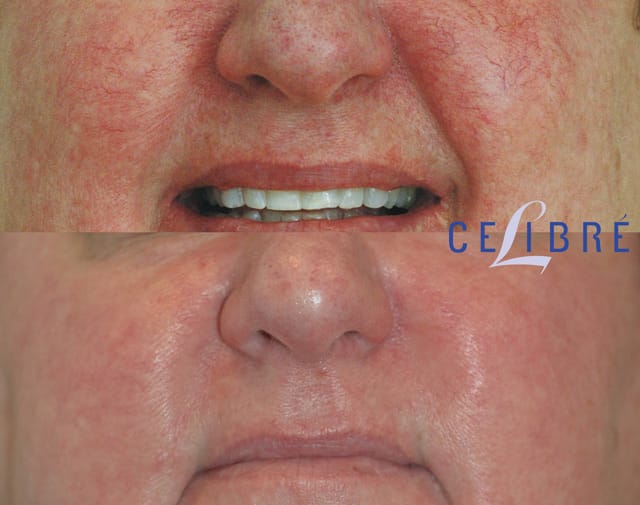
At Celibre Medical, we use FDA-approved pulsed dye lasers (PDL) to treat this condition safely. This laser targets the small, widened blood vessels that cause redness. Short bursts of light energy shrink those vessels and help reduce flushing.
Pulsed dye laser treatments improve how your skin looks, and they may also slow the condition down by reducing ongoing inflammation. We take a personal approach, helping you understand your triggers and building a plan that fits your skin. You can see real results in our before and after photos, or check our laser treatment cost page.
Frequently Asked Questions
Is it contagious?
No. You can’t catch it from someone else or spread it to others.
Who is most likely to get it?
It’s most common in adults between 30 and 50, and in people with fair skin. Women get it more often, but men tend to have more severe symptoms.
Can it go away on its own?
Symptoms can come and go, but it usually doesn’t disappear for good without care. Treatment and trigger control keep it in check.
Is it the same as acne?
No. It can cause bumps that look like acne, but it’s a different condition and needs different treatment.
Living With a Chronic Skin Condition
It can’t be cured, but it can be managed very well. With the right skin care, a few lifestyle changes, and laser treatment when needed, you can keep symptoms under control and enjoy clear, healthy-looking skin. For more on all your options, visit our main treatment page.
If you’re dealing with redness or irritation and think you might have this condition, visit Celibre Medical in Torrance or contact us today. We’ll help you understand your skin, find your triggers, and build a plan that gives you your confidence back.