
Is Hydroquinone Safe? Over the last several decades, Hydroquinone (HQ) has become the gold standard treatment for many skin conditions that require lightening. As the use of hydroquinone has grown, there has been much debate as to whether it’s safe and effective for long-term dermatological use.
The Science Behind Hydroquinone and Cancer Concerns
One study commonly cited as evidence for the link between hydroquinone and cancer was based upon oral ingestion of hydroquinone in lab rats and mice. Although there is value in extrapolating information from research such as this, it was recognized that the studies were lacking and are now considered outdated.
The FDA’s current position remains that hydroquinone is generally safe and effective, specifically when applied topically rather than ingested.
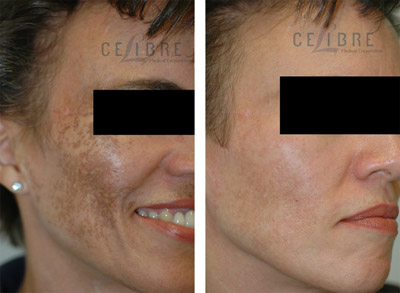
Understanding Ochronosis: Is Skin Darkening a Risk?
There are also reports of hydroquinone use leading to a paradoxical darkening of the skin—a condition referred to as ochronosis. Although possibly underreported, ochronosis cases are very rare and typically associated with:
- Unprotected sun exposure.
- Prolonged use at high concentrations without medical breaks.
The FDA has called for more inclusive studies focusing on dermal application to further determine its long-term effects on humans.
FDA Regulations and Prescription Requirements (2% vs. 4%)
Currently, HQ is available without a prescription in numerous over-the-counter (OTC) products at a 2% concentration. Typically, 4% is what most physicians prescribe, often found in professional brands like Obagi.
Important Legal Note: Anything above 2% is considered a prescriptive product. It requires a prior exam by a Physician, Nurse Practitioner, or Physician Assistant. Practices dispensing or selling anything above 2% HQ without a medical exam are operating outside the law.
The Risks of Improper and Uninterrupted Usage
The potential adverse side effects of HQ are directly related to improper use. Rather than the percentage itself, the more concerning factor is prolonged and uninterrupted usage.
Without proper supervision, consumers often use multiple HQ products simultaneously or for extended periods, which increases risk. Continuous, unmonitored use is where the primary safety concern lies.
Expert Protocol: How to Use Hydroquinone Safely
Hydroquinone is safe and effective when used appropriately under professional guidance. A safe protocol includes:
- Medical Oversight: Must be prescribed by a physician to address pigmentation on intact skin.
- Patient Screening: Proper screening to eliminate candidates with contraindications (e.g., liver disease).
- Controlled Concentration: Typically 4% to 8% based on clinical needs.
- Sun Protection: Strictly limited sun exposure during treatment.
- The 90-Day Rule: Limited consecutive usage, not exceeding 90 days without a mandatory 30-day break.
- Maintenance Phase: Utilizing a Non-HQ program to sustain benefits during the break period.
Conclusion
Because hyperpigmentation and brown discoloration can be distressing, a professionally managed topical HQ program remains an excellent and safe option for achieving clear skin.