
Medical laser technology has transformed the way healthcare providers diagnose, treat, and improve many different conditions. Modern medical practice benefits from lasers which function as essential medical equipment for vision correction and cosmetic operations and surgical procedures and skin rejuvenation treatments. Medical practitioners use lasers for tissue targeting which differs from conventional methods because they achieve better accuracy while minimizing patient pain and shortening recovery periods and protecting nearby tissues from damage.
Medical laser treatment information reaches people who fail to understand how doctors use laser technology and which medical applications demand different laser equipment. Medical laser knowledge together with patient understanding about laser operation methods enables patients to develop better understanding about laser treatments before they decide to undergo such procedures.
What Are Medical Lasers?
Medical lasers function as specialized equipment which produces concentrated light beams through their operation. The abbreviation “laser” represents Light Amplification by Stimulated Emission of Radiation. Medical professionals can direct laser energy because it travels through controlled wavelengths which form concentrated beams.
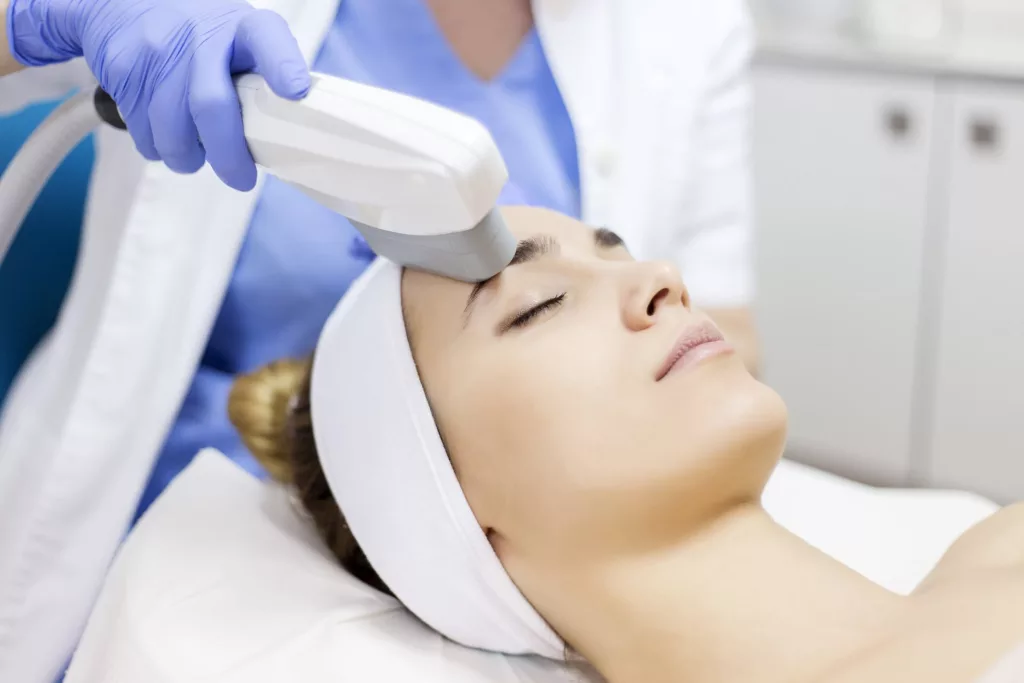
Different body tissues respond to light rays which contain various wavelength lengths. The design of different laser types enables them to treat skin pigmentation while they also affect blood vessels and perform tissue removal and reshaping functions. Medical staff across various healthcare fields use laser technology because it enables them to create personalized treatment plans which benefit dermatology and ophthalmology and dentistry and surgical procedures.
How Do Medical Lasers Work?
Medical lasers require knowledge about their operation because they depend on the interaction between light energy and human tissue structures. A medical laser generates a particular light wavelength which body targets absorb when used for treatment. This target is known as a chromophore.
Common targets include:
- Water inside tissue cells
- Melanin (skin pigment)
- Hemoglobin in blood vessels
- Tattoo ink particles
When laser energy reaches the target, it creates a controlled reaction. The treatment goals and laser types determine how the energy will produce heat or break pigments or activate tissue repair or eliminate undesired body parts.
The cosmetic laser treatment works by applying heat to deeper skin levels which triggers the body to create collagen that reduces wrinkles and improves scar appearance. The body eliminates tattoo ink particles through natural processes after lasers break the ink into smaller fragments which the immune system can handle.
The primary benefit of laser technology emerges from its ability to produce exact results. Medical professionals select treatment options for their patients through three adjustable parameters which include wavelength selection and energy level control and pulse duration adjustment.
Main Types of Medical Lasers
There are several types of medical lasers, and each one has unique properties and uses. Choosing the right laser depends on the condition being treated and the desired outcome.
1. Carbon Dioxide (CO2) Lasers
Medical professionals use carbon dioxide lasers as their primary medical laser choice because these devices operate most efficiently in dermatology and surgical environments. The CO2 laser creates infrared radiation which water molecules in human body tissues absorb at their highest level.
The high water content of human tissue enables these lasers to perform exact skin layer removal and tissue cutting operations with controlled precision.
Common uses of CO2 lasers include:
- Skin resurfacing
- Scar improvement
- Wrinkle reduction
- Removal of certain skin growths
- Surgical cutting procedures
Fractional CO2 laser treatments are often used for cosmetic skin rejuvenation because they create tiny controlled injuries that encourage natural healing and collagen production.
2. Erbium Lasers
Medical practitioners select erbium lasers as their preferred treatment system which delivers superior results for skin therapy procedures. The treatment approach of CO2 lasers matches their ability to target water molecules which exist naturally in skin tissue although their thermal damage tends to be lower than other laser types.
Doctors choose erbium lasers to perform precise skin treatments which deliver controlled results while patients experience reduced recovery time.
Common erbium laser treatments include:
- Fine line reduction
- Sun damage treatment
- Acne scar improvement
- Skin texture enhancement
Doctors may recommend erbium lasers for patients looking for noticeable improvements while minimizing downtime.
3. Nd Lasers
Medical professionals use Nd (Neodymium-doped Yttrium Aluminum Garnet) lasers because these devices generate strong laser beams which can reach distant tissue layers for treatment purposes. The system operates at extended wavelengths which enable it to reach deeper tissue layers than standard laser equipment.
Nd lasers are commonly used for:
- Laser hair removal
- Vascular treatments
- Spider vein treatment
- Tattoo removal
- Certain eye procedures
Because these lasers can reach deeper structures, they are useful when the treatment target is below the surface of the skin.
4. Alexandrite Lasers
Alexandrite lasers are well known in cosmetic medicine, especially for hair removal and pigmentation treatments. They produce a wavelength that is highly absorbed by melanin.
Common uses include:
- Removing unwanted hair
- Treating age spots
- Reducing certain pigmentation concerns
Because Alexandrite lasers strongly interact with pigment, proper evaluation is important to select appropriate candidates and reduce unwanted side effects.
5. Pulsed Dye Lasers (PDL)
Pulsed Dye Lasers are designed mainly to target blood vessels. They work by delivering light energy that is absorbed by hemoglobin, causing unwanted blood vessels to shrink or fade.
PDL treatments may help with:
- Facial redness
- Broken capillaries
- Certain birthmarks
- Some scars
This type of laser is commonly used in dermatology because it can address redness-related concerns without removing the surface layer of skin.
6. Diode Lasers
Diode lasers are compact and versatile medical lasers used in several healthcare fields. They are especially common in cosmetic and dental treatments.
Common diode laser applications include:
- Hair reduction treatments
- Dental soft tissue procedures
- Skin treatments
Their efficiency and adjustable settings make diode lasers useful for many different medical applications.
7. Excimer Lasers
Excimer lasers use ultraviolet light and are best known for their role in eye surgery. They can precisely reshape tissue without producing significant heat damage.
Common uses include:
- LASIK vision correction
- Corneal reshaping
- Certain dermatology treatments
Their high level of accuracy makes them valuable when extremely precise tissue changes are required.
Benefits of Medical Laser Technology
Medical lasers continue to grow in popularity because they offer several advantages compared with traditional treatment methods.
Potential benefits include:
- High precision treatment
- Less damage to surrounding tissue
- Reduced bleeding during some procedures
- Faster recovery for certain treatments
- Customized settings based on patient needs
- Improved cosmetic results
However, results depend on the type of laser, provider experience, and individual patient factors.
Are Medical Lasers Safe?
Medical lasers become safe for operation when healthcare staff who possess proper training handle these devices according to established safety protocols. Medical lasers need specific devices together with treatment parameter selection because their tissue interaction patterns operate through different mechanisms.
Medical providers need patients to reveal their medical records and skin characteristics and treatment objectives and danger exposure before they start any laser treatment.
Possible side effects can include:
- Temporary redness
- Swelling
- Skin sensitivity
- Pigment changes
- Mild discomfort
Following aftercare instructions can help support proper healing and treatment results.
Choosing the Right Type of Medical Laser
There is no single laser that works for every condition. The best choice depends on what needs to be treated. A laser designed for skin resurfacing may not be suitable for removing hair or treating blood vessels.
Medical professionals consider several factors before selecting a laser, including:
- Treatment area
- Skin type
- Condition severity
- Desired results
- Recovery expectations
This customized approach helps improve safety and effectiveness.
Conclusion
Medical laser technology has transformed modern healthcare through its delivery of exact medical treatments which handle various health issues at an advanced level. Medical professionals need to understand medical laser types because each device serves a distinct purpose which determines its application in various medical procedures.
Medical lasers operate by using controlled light energy which doctors direct to specific body tissues for achieving their desired therapeutic outcomes. Medical professionals use lasers for surgical operations and vision restoration and cosmetic procedures and dermatological therapies which make them a versatile medical technology.