
Spider veins emerge without warning yet most cases develop through a slow development process which takes place over time. People who want to know about spider vein prevention methods belong to a group which includes you. The legs and thighs develop these red-blue-purple veins which create skin issues that affect personal self-assurance and physical comfort and life satisfaction.
Spider veins present no direct threat to health but they serve as warning signs which show that blood circulation in your body has deteriorated and your veins have become fragile. The good news? You can follow specific scientific methods which will help you reduce your vein health risks and enhance your vascular health.
Your body needs you to protect against spider veins which run through your family because you face an increased risk of developing these veins. Your lifestyle choices together with your understanding of vein development will enable you to decrease the chance of developing visible veins.
What Causes Spider Veins?
People who want to learn spider vein prevention need to first grasp the reasons which lead to their development.
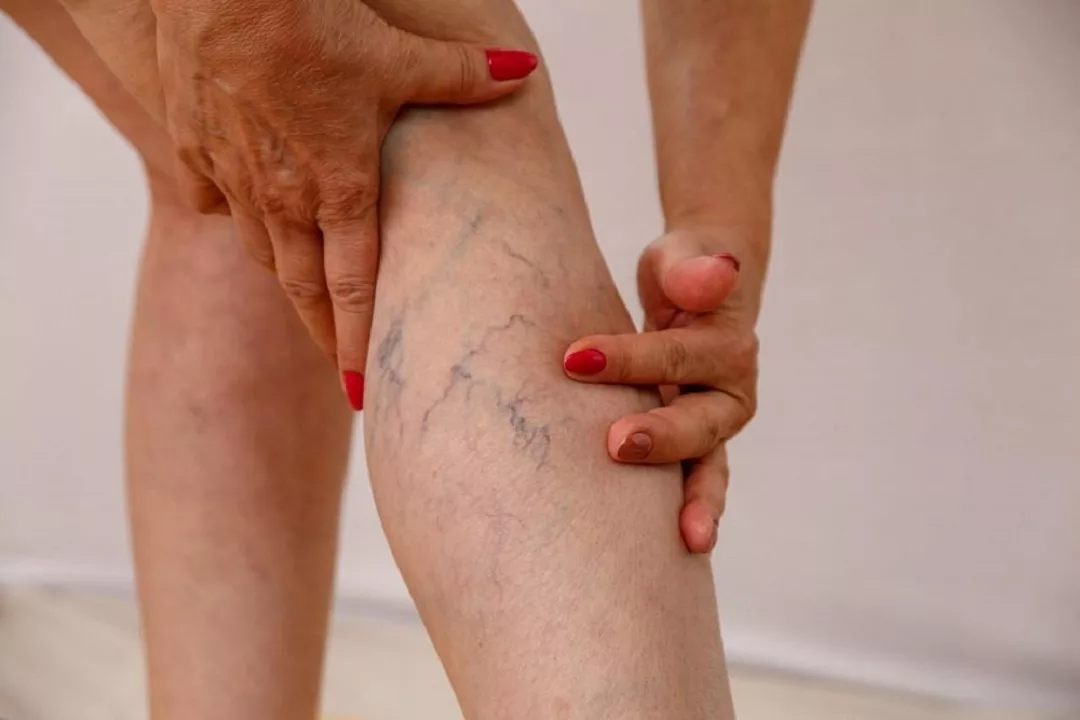
The veins contain small one-way valves which direct blood flow toward the heart while preventing backward movement. The valves start to fail when their strength decreases which leads to vein swelling because blood cannot flow correctly. The increased pressure causes veins which rest near the skin surface to swell into visible veins.
Spider veins tend to form on legs because blood must fight against gravity to reach the upper body from the lower legs.
Several factors can increase your risk, including:
- Family history or genetics
- Pregnancy and hormonal changes
- Long periods of sitting or standing
- Aging
- Excess body weight
- Poor circulation
- Lack of regular movement
Research shows that people inherit spider veins from their family but they can stop these veins from appearing through proper lifestyle decisions.
How to Prevent Spider Veins Naturally
You need to boost blood flow while lowering vein pressure to start your search for spider vein prevention methods.
1. Stay Active to Improve Blood Flow
Regular physical activity serves as an essential method for protecting vein health during all stages of life.
Your calf muscles function as a natural pump through exercise which moves blood against gravity to stop blood from accumulating in your legs. People who want to improve their blood circulation should practice walking and cycling and swimming and perform light strength training exercises.
Taking brief exercise breaks throughout the day helps people who work at desks or stay on their feet for extended periods.
Try these easy habits:
- Walk for 5–10 minutes every hour
- Stretch your calves regularly
- Do ankle pumps while sitting
- Take the stairs when possible
You should start moving your body because this activity serves as the most basic and successful method to stop spider veins from forming.
2. How to Prevent Spider Veins on Legs During Work
People who spend their work time standing or sitting for extended periods tend to develop vein problems.
If you sit for long periods:
- Avoid crossing your legs for too long
- Flex and point your feet regularly
- Get up and walk every hour
If your work involves standing:
- Shift your weight often
- Raise yourself onto your tiptoes periodically
- Walk around whenever possible
Your body requires brief physical activities during each day to help blood circulation which might reduce spider vein development in the future.
3. Wear Compression Stockings for Extra Support
People who spend most of their day walking or standing can benefit from compression stockings because these stockings help prevent spider veins and treat initial signs of spider veins.
The socks operate through their special construction which creates mild pressure on your legs to enhance blood flow toward the heart.
Medical-grade compression stockings deliver graduated pressure which helps circulation but they do not block blood flow like standard tight socks do.
A healthcare provider needs to assess your condition before they can recommend suitable compression levels for your individual needs.
A helpful tip: avoid overly tight clothing around the waist, thighs, or calves, as it may interfere with healthy circulation.
Maintain a Healthy Weight to Prevent Spider Veins
Your body weight above normal limits creates extra force which blocks proper blood flow through your leg veins.
Maintaining a healthy body weight may reduce stress on your veins and lower the risk of developing visible veins over time.
People who want to maintain their health should exercise regularly and consume foods with nutrients while drinking enough water and decrease their intake of processed foods.
People who want to stop spider veins need to focus on keeping their body weight at a healthy level.
Elevate Your Legs to Support Circulation
You can lower vein pressure by elevating your legs during specific times.
People should rest their legs above heart level for 15 to 20 minutes after they spend extended periods standing or sitting. The position helps blood travel back to the heart while it reduces body swelling and makes your legs feel lighter.
People who sleep with pillows under their knees need to check if the pillow causes direct pressure on their thigh veins which run through that area. Proper positioning can help maintain healthy circulation overnight.
Be Aware of Hormones and Medications
Spider veins develop because hormonal changes create conditions which allow these veins to form.
Vein health becomes affected by pregnancy and menopause and birth control medications because these conditions trigger hormonal shifts which cause blood vessels to expand.
Your healthcare provider needs to know about new spider veins which appeared after you began taking your medication. Medical experts need to give their approval before anyone should stop their prescribed medication.
People who face family-related vein problems need to study their risk elements to defend their legs against spider vein development.
Avoid Sitting or Standing Too Long
Your body does not move enough which makes you vulnerable to develop spider veins.
The veins experience rising pressure because blood continues to flow through legs which have been standing still for extended periods. The weakened vein walls and valves develop as time passes.
You should stand up and move after sitting for an hour according to a basic rule. If you’ve been standing too long, sit and elevate your legs when possible.
These small adjustments can go a long way in preventing spider veins on legs.
Can You Prevent Spider Veins Completely?
Many people ask, “Can you prevent spider veins entirely?”
The honest answer is: not always.
The presence of genetics does not stop people from developing spider veins because their body functions properly. You can decrease your risk through prevention methods which will slow disease progression and enhance your blood flow.
People who start vein health maintenance activities at early stages will experience better results for minimizing visible veins during their future life.
When to See a Vein Specialist
Spider veins show as skin problems but they sometimes create symptoms which include:
- Aching legs
- Swelling
- Burning sensations
- Heaviness
- Night cramps
If you experience worsening symptoms or discomfort then you should see a vein specialist or healthcare provider. Medical treatment becomes necessary when spider veins develop into venous insufficiency which requires professional evaluation.
FAQs About How to Prevent Spider Veins
1. How can I prevent spider veins naturally?
You can prevent spider veins through exercise routines and weight management and avoiding extended periods of sitting or standing and using compression stockings and enhancing your blood flow.
2. How do you prevent spider veins on legs?
You should stay active throughout the day while taking movement breaks and leg elevation and wearing compression garments according to your doctor’s advice.
3. Can exercise help stop spider veins?
Physical activity enhances blood circulation through its ability to develop calf muscles which function as blood pumps for heartward flow. The procedure works to stop the formation of new spider veins but it does not eliminate the spider veins which already exist.
4. How to stop spider veins from getting worse?
You need to stay active while protecting your blood flow and wearing support stockings until medical professionals treat you for worsening symptoms or pain.
5. Are spider veins hereditary?
Yes. Genetics represent the most powerful factor which determines your risk level. People who have family members with spider veins should begin preventive measures right away because these actions help reduce vein severity while extending the time before veins start to appear.