
People experience frustration because their bodies develop dark spots that stay visible for long periods, although they attempt various skincare solutions. People need to find the main reason that causes dark spots to appear on their body before they can start treating the spots which show up on their legs, back, arms, chest, and shoulders.
The skin develops these marks through hyperpigmentation when the body creates too much melanin. The skin develops these common conditions because of sun exposure and acne scars and hormonal shifts and physical skin damage and body responses to inflammation. The good news? With the right skincare routine, professional treatments, and prevention habits, most body dark spots can fade significantly.
The guide presents dermatologists’ recommended methods which help people remove their body dark spots through safe and efficient treatment approaches.
What Causes Dark Spots on the Body?
Body dark spots develop because of specific reasons which you need to understand before you start learning about quick body dark spot removal techniques.
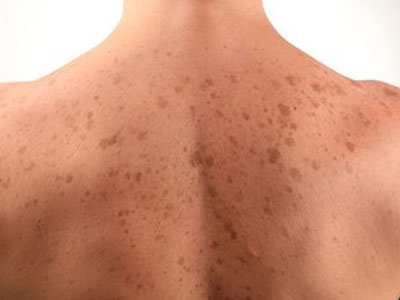
1. Post-Inflammatory Hyperpigmentation (PIH)
The skin develops Post-Inflammatory Hyperpigmentation (PIH) when it gets injured or inflamed. Dark patches persist after body acne and eczema and bug bites and shaving irritation and cuts and burns.
The skin condition affects people who have medium to dark skin tones because their melanin production reacts strongly to inflammation.
2. Sun Damage and UV Exposure
The sun creates sun spots which people refer to as solar lentigines after long periods of exposure. The dark patches which people tend to get on their shoulders and arms and chest and back.
The skin develops more visible dark spots when people stay under UV rays without putting on sunscreen because their bodies keep making melanin which leads to increased dark spot formation.
3. Hormonal Changes
The body develops skin pigmentation changes through hormonal fluctuations which sometimes occur in the human body. The combination of pregnancy and birth control and specific medications leads to skin tone becoming uneven.
4. Friction and Skin Irritation
The skin develops darker patches on inner thighs and underarms and elbows and knees because of continuous rubbing from tight clothes and shaving and repeated friction.
How to Get Rid of Dark Spots on Body Naturally and Medically
The best treatment method depends on two main factors which include pigmentation severity and depth and the original cause of the pigmentation. Topical products work well to treat mild spots but professional treatment becomes necessary for patients who have stubborn pigmentation.
Best Skincare Ingredients for Dark Spots on Body
People who want to eliminate their body dark spots should focus on using proven ingredients regularly instead of following expensive skin care trends.
Vitamin C for Brighter Skin
Vitamin C functions as an antioxidant which fights skin dullness while it works to reduce skin pigmentation.
The treatment stops melanin overproduction while creating defense mechanisms which shield the skin from environmental hazards. Regular use can gradually improve uneven body tone.
Look for body serums or lotions containing stabilized Vitamin C for best results.
Retinol for Faster Skin Renewal
The skin cell renewal process becomes faster because retinol stimulates cell development which leads to quicker removal of pigmented skin cells.
The retinol-based body treatments work well to treat acne scars and body blemishes and textured skin.
The first few weeks of retinol use might lead to dry skin and mild irritation. Users need to apply sunscreen protection during all periods of retinol treatment.
Niacinamide for Uneven Skin Tone
The skin receives protection from pigment movement through Niacinamide (Vitamin B3) which also makes the skin surface better and strengthens its protective layer.
The treatment shows highest effectiveness when treating mild skin discoloration together with skin that reacts strongly to treatments.
Kojic Acid and Azelaic Acid
The ingredients serve as alternative choices which people select to find mild skin brightening solutions.
Kojic acid helps reduce melanin formation, while azelaic acid works well for acne-related discoloration and redness.
Hydroquinone for Stubborn Dark Spots
The medical community has chosen Hydroquinone as the most effective treatment solution for severe hyperpigmentation cases.
Dermatologists suggest this treatment to treat persistent dark spots yet patients need to seek professional assistance because powerful formulations tend to cause skin irritation. Professional medical assessment becomes necessary because these strong formulations tend to cause skin irritation.
Professional Treatments for Removing Dark Spots on Body
Your skin requires more than basic treatment to reach its optimal condition. The treatment of deep pigmentation through dermatological procedures will achieve faster results than other options.
Chemical Peels for Body Hyperpigmentation
The skin benefits from chemical peels because exfoliating acids remove damaged skin layers to reveal fresh skin which appears brighter.
They are particularly effective for:
- Back acne marks
- Chest pigmentation
- Shoulder discoloration
- Mild sun damage
The duration of recovery depends on the strength of the peel which can last between three to seven days.
Laser Treatment for Dark Spots
Laser therapy operates as the fastest method which eliminates stubborn pigmentation from the skin.
The present-day laser systems reach melanin directly to break down pigment clusters which result in better skin cell regeneration.
This treatment may work especially well for:
- Deep sun spots
- Persistent acne marks
- Large body pigmentation patches
However, laser treatment should always be performed by experienced professionals to avoid irritation or worsening pigmentation.
Microneedling for Acne Marks
Microneedling stimulates the body’s ability to generate collagen which leads to improved skin tissue healing.
The treatment process should lead to improved skin texture while it works to fade body acne-related post-inflammatory hyperpigmentation.
How to Prevent Dark Spots from Returning
The treatment needs prevention to continue its success because of this. The skin develops pigmentation which returns at a fast rate when people fail to provide proper care.
Wear SPF Daily
People tend to make their biggest mistake by not putting sunscreen on their body throughout the day.
The sunscreen needs to have SPF 30 or higher which protects against UV damage and stops treated spots from turning darker.
You need to put on sunscreen every day when your skin shows up on your arms and chest and shoulders and legs.
Avoid Picking at Skin
Popping pimples and scratching bug bites and bothering healing wounds will make your skin more inflamed which increases the chances of developing dark spots.
The skincare method focuses on stopping excessive irritation from happening.
Exfoliate Carefully
The process of gentle exfoliation removes dead skin cells which results in skin that appears more radiant.
The use of strong scrubs becomes dangerous because they make skin inflammation worse and they increase the visibility of hyperpigmentation.
When Should You See a Dermatologist?
The evaluation of medical professionals becomes necessary when dark spots continue to grow while changing their shape and showing no signs of improvement after many months.
Not all discoloration is harmless. Some cosmetic-looking spots need doctors to check them out.
A dermatologist will identify your pigmentation source through skin examination to determine if it stems from acne scars or melasma or sun damage or other skin disorders. The dermatologist will create a treatment plan based on their findings.
Final Thoughts on How to Get Rid of Dark Spots on Body
You need to stay dedicated while using correct treatments to remove body dark spots from your skin.
The skin will become brighter when you use Vitamin C and retinol and niacinamide and kojic acid and azelaic acid to treat mild discoloration. The treatment of stubborn pigmentation becomes faster through chemical peels and laser therapy and microneedling procedures.
People need to protect their skin from sun exposure every day to maintain their skin improvements.
Frequently Asked Questions
1. How long does it take to get rid of dark spots on the body?
The fading process of mild dark spots begins after eight to twelve weeks of using skincare products consistently. Stubborn pigmentation may take several months or require professional treatment.
2. What is the fastest way to remove dark spots on body?
The speed of treatment for pigmentation depends on its severity because doctors can choose between laser therapy and chemical peels and prescription-strength topical treatments.
3. Can dark spots on the body disappear naturally?
The body eliminates minor dark spots which develop from short-lived skin inflammation. Targeted treatment methods produce better results when treating deep skin pigmentation than they do with shallow skin pigmentation.
4. Which ingredient works best for body dark spots?
The following ingredients show highest effectiveness when it comes to treating hyperpigmentation: Retinol, Vitamin C, niacinamide, kojic acid, and hydroquinone.
5. Does sunscreen help prevent dark spots?
Yes. Sunscreen serves as the essential protective measure which stops current dark spots from getting worse while it stops fresh pigmentation from developing.