
Photodamage and Skin Aging: How Sun Exposure Accelerates the Aging Process
Some things improve with age—fine wine, artisan cheese, and a perfectly worn pair of jeans. Unfortunately, skin is not one of them. If you’ve noticed early signs of aging such as fine lines, wrinkles, or uneven skin tone, you’re not alone. Many people explore anti-aging skincare products, laser treatments, or injectable procedures to restore a more youthful appearance.
Thanks to ongoing scientific research, we now better understand how and why skin aging occurs—and what we can do to slow it down.
Intrinsic vs. Extrinsic Aging: What Causes Skin to Age?
Skin aging is influenced by two main categories of factors: intrinsic aging and extrinsic aging.
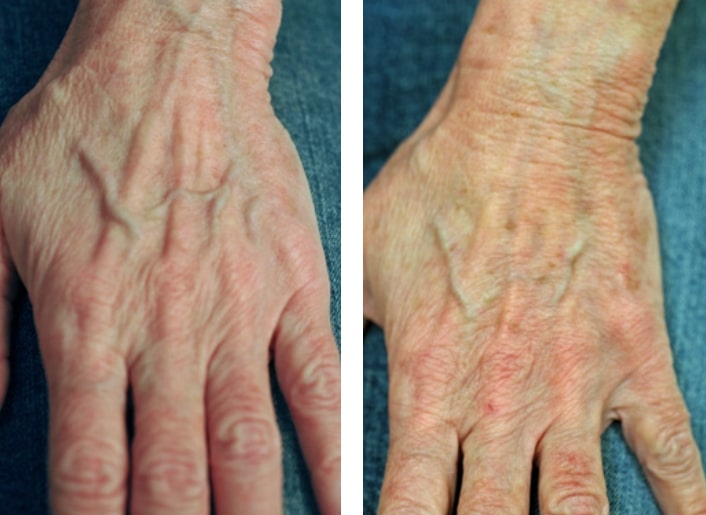
Extrinsic Aging Factors: Environmental and Lifestyle Influences
Extrinsic aging refers to external factors that accelerate visible skin aging. The most common causes include:
- Sun exposure (UV radiation)
- Environmental pollution
- Smoking
- Chronic stress, anxiety, and depression
Recent studies suggest that lifestyle factors such as emotional stress and social conditions may also play a role in how quickly we age. These external stressors can significantly impact skin health over time.
Intrinsic Aging Factors: Genetics and Hormonal Changes
Intrinsic aging is driven by internal, biological processes that are largely determined by genetics. Factors such as hormonal levels and genetic predisposition influence skin thickness, elasticity, and the rate at which collagen breaks down.
In many cases, intrinsic and extrinsic factors overlap. For example, research has shown that individuals of Asian descent who smoke develop more pronounced facial wrinkles than non-smokers, demonstrating how genetics and lifestyle can compound aging effects.
How Stress and Hormones Impact Skin Aging
While stress and anxiety are often considered extrinsic factors, they trigger internal hormonal changes that can accelerate the aging process. Elevated cortisol levels can impair collagen production, weaken the skin barrier, and contribute to premature wrinkles. This overlap highlights why managing stress is an important part of maintaining youthful, healthy skin.
Sunscreen and Anti-Aging: The Most Effective Daily Skin Care Step
When it comes to preventing premature aging, one step stands above all others: daily sunscreen use.
Ultraviolet (UV) radiation is the leading cause of extrinsic skin aging, commonly referred to as photoaging. Even the most advanced anti-aging treatments—such as lasers, injectables, and medical-grade skincare—cannot deliver lasting results without proper sun protection.
Why Daily Sunscreen Use Is Essential for Youthful Skin
Applying sunscreen every morning helps:
- Prevent fine lines and wrinkles
- Reduce sunspots and uneven skin tone
- Protect collagen and elastin
- Preserve results from cosmetic treatments
Sunscreen takes only seconds to apply, is widely accessible, and offers the highest return on investment for long-term skin health. By making sunscreen part of your daily routine, you protect both your skin and the time and money you invest in caring for it.
The Bottom Line: Protect Your Skin to Age Gracefully
While aging is inevitable, premature aging is not. Understanding the causes of photodamage and committing to daily sun protection can dramatically slow visible skin aging. If there’s one habit to start today, make it sunscreen—your future skin will thank you.