
Multiple people have observed small red dots that developed on their body skin surfaces beginning from their chest area through their back, their shoulders, and their neck region. The red dots that you see probably represent cherry angiomas, which form as common non-cancerous skin growths in adult patients. The skin condition does not create any medical problems, but people often remove cherry angiomas because they want to improve their appearance or because they want to feel more comfortable. The information about spot formation and available removal methods will help you select the right approach through your informed decision-making process.
What Is a Cherry Angioma?
A cherry angioma forms as a small dome-shaped skin growth that contains multiple enlarged blood vessels that exist under the skin surface. The red spots, which range from tiny dots to multiple millimeters across, show their unique cherry-red or bright crimson shade because of capillary abundance. The skin surface maintains its original flat surface while developing these growths, which feel smooth when touched. Cherry angiomas exist as harmless skin growths that never develop into cancer, and they spread through contact with others.
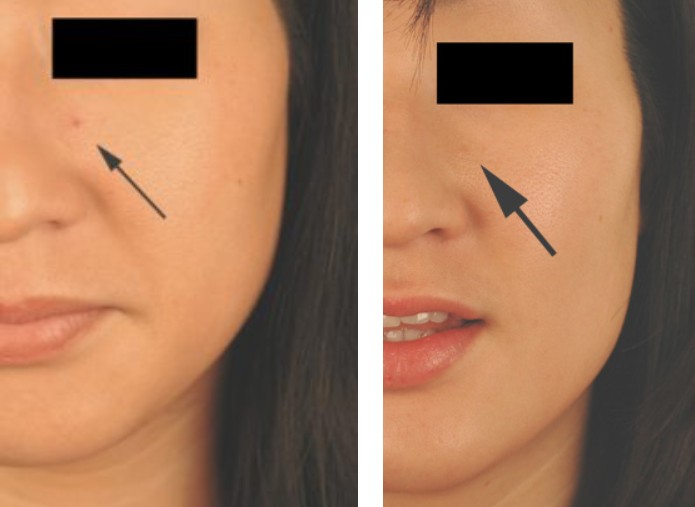
The condition mainly develops after people reach 30 years of age, while the number of growths increases during the aging process. Most people develop between 20 and 100 cherry angiomas during their 70s, which doctors consider to be normal.
Why Do Cherry Angiomas Develop?
The medical field maintains its discovery of cherry angioma causes because two or more elements have been shown to affect their development.
Genetics: A family history of cherry angiomas significantly raises your likelihood of developing them. If your parents or siblings have them, chances are you will too.
The occurrence of these growths increases when people reach older years. The blood vessels that exist close to the skin surface start to break down their structure during the aging process, which leads to angioma development.
Sun Exposure: Prolonged and repeated exposure to UV radiation may damage capillary walls, potentially encouraging the formation of angiomas in sun-exposed areas.
Hormonal Changes: Pregnancy and hormonal fluctuations have been linked to a sudden increase in cherry angiomas, though they may partially fade after hormones stabilise.
Chemical Exposure: Studies indicate that continuous contact with specific chemical substances might lead to the formation of these growths.
Cherry Angiomas vs. Spider Angiomas: Knowing the Difference
The red vascular skin lesions that exist vary from each other in their characteristics. Spider angiomas exist as separate medical entities from spider hemangiomas and spider naevi because they show different structural patterns. Spider angiomas display a central red spot that spreads out through thin blood vessels that form a pattern that looks like a spider. The face and upper body serve as typical locations for spider angiomas, which develop in people who have liver problems or hormonal imbalances. People who maintain good health experience no dangerous effects from these two types of growths, which doctors can remove through their medical expertise.
Why People Choose to Remove Cherry Angioma
People decide to have cherry angiomas removed because these skin growths create no health issues. The main reasons people get this done include their desire to improve their appearance when spots develop on their face, neck, or chest area, and their need to stop the spots from getting irritated by their clothes or jewelry. Skin clarity serves as the preferred type of mental comfort for many people. The removal process becomes safe when you choose a trained expert who will achieve dependable results through their professional approach.
How to Remove Cherry Angioma: Your Treatment Options
Two main professional approaches exist that allow doctors to remove cherry angiomas through safe procedures.
1. Laser Treatment
Laser therapy stands as the most accurate treatment, which provides successful results for cherry angioma removal. The laser targets the haemoglobin in the blood vessels, causing them to collapse and be reabsorbed by the body — all without damaging the surrounding skin. Laser treatment works best for small new angiomas because their blood vessels exist near the skin surface. The procedure requires only a short recovery time while patients experience minimal scarring, which makes it an attractive option for first-time treatments. Our clinical practice shows that patients who start treating their cherry angiomas right away will need fewer treatments to achieve better results.
2. Hyfrecator (Cauterisation)
Cauterisation using a hyfrecator — a device that delivers a controlled, low-powered electrical current — is another reliable method to remove cherry angioma. The current destroys the blood vessels within the growth, causing it to dry up and fall away within a few days. The method operates at high speed and provides effective results when multiple spots need to be treated during a single treatment session. The treatment method works best for bigger angiomas and older growths, which show reduced response to laser therapy alone. A topical anaesthetic is typically applied beforehand to ensure comfort throughout the procedure.
Why Timing Matters When You Remove Cherry Angioma
You will get better results when you start your work immediately instead of waiting to begin your work. The blood vessels that exist in new cherry angiomas show limited growth, which makes them easier to treat with laser therapy and cauterisation. The treatment of older fibrous spots requires additional treatment sessions and more powerful therapy to produce equivalent results. The treatment of spots during their initial stage will prevent any remaining marks or pigmentation from forming. You should see a dermatologist immediately when you notice new cherry angiomas because this will help you get rid of them without any problems.
What to Expect After Removal
The body requires only a short healing period after both surgical procedures. The treatment area will develop a small scab or darkened mark, which will disappear on its own during the following two weeks. Sun protection is important during healing to prevent post-inflammatory pigmentation. Most patients return to normal activities the same day. Your dermatologist will check your progress during a follow-up visit, which might lead to another treatment session for complete removal.
Conclusion: A Common Condition With Effective Solutions
Cherry angiomas develop as part of the normal aging process, which affects numerous individuals who face no medical consequences from this condition. A person should get cherry angioma removal through professional medical treatment when their appearance bothers them or when these growths start to bother them. The two treatment options, which include laser therapy and cauterisation, provide patients with fast and safe methods to achieve their desired results. The earlier you address new spots, the better your results are likely to be. A consultation with an experienced dermatologist is the first step towards clearer, smoother skin.