
Patients most often see dermatologists to treat their dark spots, which doctors call facial hyperpigmentation. The development of pigmented lesions results from prolonged sun exposure, hormonal changes, and acne scar persistence, which leads to skin discoloration that affects both self-esteem and skin tone. Medical professionals in clinical settings provide medical-grade skin brightening treatments, which produce faster and more dependable results than the numerous over-the-counter products that claim to brighten skin.
The guide studies the biological aspects of hyperpigmentation. It presents dermatologist-approved skincare methods that deliver successful results for people who want to achieve even skin tone.
Root Causes of Hyperpigmentation
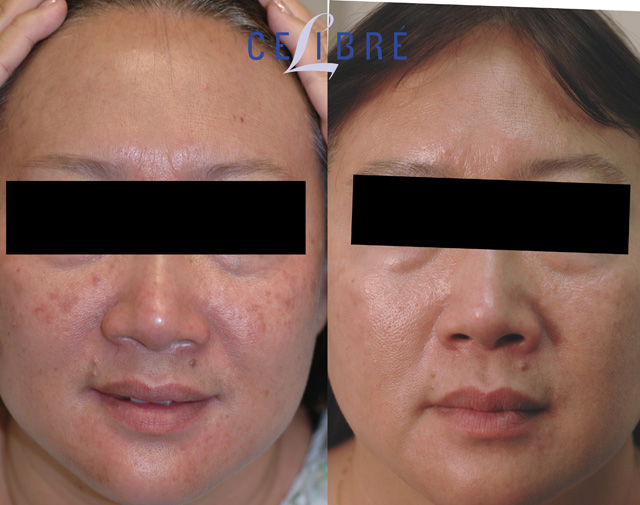
To effectively treat dark spots, it is essential to identify the biological mechanism behind them. Most dark spots are a result of an overproduction of melanin—the pigment that gives skin its color.
1. UV Exposure and Solar Lentigines
The most common cause of dark spots is ultraviolet (UV) radiation. Sunspots form when solar lentigines and liver spots develop through UV exposure, which makes melanocytes create concentrated pigment clusters. The skin produces this response to safeguard its DNA from getting damaged.
2. Post-Inflammatory Hyperpigmentation (PIH)
The skin develops PIH after it experiences damage or inflammation, which includes acne, eczema, and burn injuries. It is particularly common in individuals with darker skin tones (Fitzpatrick Skin Types IV–VI). The healing process of skin results in the formation of a discolored flat surface which shows shades from light pink to deep brown.
3. Melasma and Hormonal Triggers
Melasma appears as a complicated hyperpigmentation condition which produces symmetrical facial patches that resemble a mask. The condition develops because of hormonal fluctuations. These occur during pregnancy and when women take hormonal birth control pills, and also worsen through exposure to sunlight.
4. Biological Aging and Glycation
The skin stops producing new cells at its normal pace when people reach their natural aging stage. The skin shows its existing pigment because glycation, which occurs when sugar damages the skin tissue, creates a dull “muddy” appearance, and the body produces less collagen and elastin.
Professional Clinical Treatments for Dark Spots
Medical-grade interventions are designed to penetrate deeper layers of the dermis than standard retail creams. Below are the gold-standard treatments offered in medical spas and dermatology offices.
1. Advanced Laser Therapies
Laser treatments function as the primary treatment method for persistent skin pigmentation, which many experts refer to as the “gold standard” approach. The system directs particular light wavelengths to melanin through its targeted approach.
- Q-Switched & Picosure Lasers: These devices generate brief energy bursts, which break down pigment particles. They keep the surrounding skin intact.
- The fractional non-ablative laser system creates small treatment areas, which activate the body’s self-repair mechanism to remove pigmented skin cells and produce new skin tissue.
- IPL (Intense Pulsed Light): The device operates differently from lasers, yet it works well to treat skin that shows “sun-dusted” patterns and visible redness.
2. Medical-Grade Chemical Peels
Professional chemical peels use strong acid concentrations, which help to remove the damaged skin that people develop on their outermost skin layer.
- Glycolic and Lactic Acids function best to brighten skin surfaces and enhance their texture appearance.
- Salicylic Acid: This treatment works best to handle PIH. It develops after acne breaks out.
- TCA (Trichloroacetic Acid) Peels: These reach deeper layers and are highly effective for melasma and significant sun damage.
3. Microneedling with Targeted Serums
The skin receives particular micro-injuries through the controlled process of Microneedling which also goes by Collagen Induction Therapy. The treatment enables brightening agents to reach deeper skin layers through its combination with Tranexamic Acid and Vitamin C serums which also promote the development of fresh healthy skin tissue.
4. Prescription-Strength Topicals
For many patients, a “hydroquinone-based” regimen is the first line of defense.
- Hydroquinone (4%+): A potent skin-lightening agent that inhibits the enzyme tyrosinase, which is responsible for melanin production.
- Retinoids (Tretinoin): Increases cell turnover, forcing the pigmented cells to shed faster.
- Cysteamine: A newer, non-hydroquinone alternative that is becoming a favorite for long-term melasma management.
Treatment Efficacy by Skin Condition (Comparison Table)
| Treatment Method | Best For | Recovery Time | Expected Results |
| Laser Therapy | Sun Spots / Age Spots | 3–7 Days | High (1-3 sessions) |
| Chemical Peels | Acne Scars / Texture | 1–5 Days | Moderate (Series of 3+) |
| Microneedling | PIH / Fine Lines | 24–48 Hours | Moderate (Series of 4+) |
| Topical Regimens | Melasma / Prevention | None | Gradual (12+ weeks) |
Daily Maintenance: Protecting Your Investment
Professional skin treatments function as financial commitments which enable people to sustain their skin health maintenance. However, results can be reversed quickly by unprotected sun exposure.
- Broad-Spectrum SPF 30+: This is non-negotiable. The recommended sunscreens for melasma patients contain Zinc Oxide and Titanium Dioxide because they block heat which causes pigmentation problems.
- Antioxidant Defense: Using a Vitamin C serum every morning neutralizes free radicals from pollution and UV rays.
Tyrosinase Inhibitors: The use of Kojic Acid with Azelaic Acid and Licorice Root continues after skin spot removal because these substances maintain pigment-producing cells in a state of dormancy.
Why Choosing a Specialist Matters
Medical facilities need to treat hyperpigmentation with care because wrong treatment methods create serious risks which impact patients with darker skin most severely through laser settings that trigger rebound hyperpigmentation.
Medical spas along with board-certified dermatologists perform skin assessments through Wood’s lamp evaluations and digital skin analysis systems. The detection of pigment location allows doctors to determine if it exists at the surface level of the skin or deeper into the dermis which establishes the treatment plan success rate.
Frequently Asked Questions (FAQ)
Q: How long does it take for dark spots to fade?
A: With professional treatments like lasers, results can be seen in as little as 1–2 weeks. Topical prescription treatments typically require 8–12 weeks of consistent use.
Q: Can dark spots come back after laser treatment?
A: Yes, if the skin is not protected from the sun. Hyperpigmentation is a chronic condition for many, requiring ongoing SPF usage and maintenance treatments.
Q: Are chemical peels safe for dark skin?
A: Yes, but they must be administered by a professional. Specific acids like Mandelic or Salicylic acid are safer for darker Fitzpatrick skin types to avoid the risk of scarring.
Conclusion
The process of achieving clear skin with even tone requires medical knowledge together with regular skin maintenance, which people must perform every day. The treatment of dark spots has become more effective because dermatologists now use laser technology and chemical resurfacing to achieve their goals. The initial step for treating uneven pigmentation requires you to see a professional who will create a personalized treatment plan based on your skin characteristics and your desired outcomes.