
You might have a different skin condition from regular acne because your small, itchy bumps stay after you use multiple acne treatments. People who search for fungal acne causes find out that this condition differs from regular acne because it does not follow the acne definition.
The medical condition known as fungal folliculitis or Malassezia folliculitis develops when yeast which normally exists on skin surfaces starts to multiply excessively. Because it closely resembles bacterial acne, it is often misdiagnosed and treated incorrectly.
People need to identify the reasons which cause fungal acne before they can achieve better skin health with proper treatment.
What Is Fungal Acne?
The skin develops fungal acne because Malassezia yeast multiplies beyond its normal levels which leads to this skin disorder. Yeast proliferation beyond normal limits results in hair follicle infections which produce small inflamed bumps.
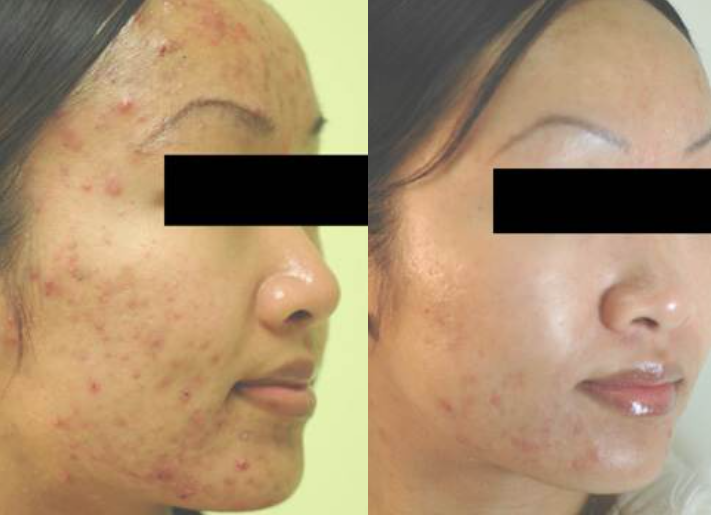
The cause of fungal acne differs from traditional acne because it does not result from blocked skin pores or the presence of acne bacteria. Standard acne treatments often fail to produce results while they might even cause the condition to worsen.
Fungal acne becomes visible to people when it appears on the forehead and chest and shoulders and upper back and hairline because these body parts generate higher amounts of oil and perspiration.
What Causes Fungal Acne?
Several factors create the perfect environment for yeast overgrowth. If you have ever wondered “what triggers fungal acne?” or “why do I suddenly have fungal acne?”, these are the most common reasons.
1. Overgrowth of Malassezia Yeast
Malassezia yeast grows excessively on the skin which creates the primary condition that leads to fungal acne.
Your skin naturally contains this yeast which lives peacefully with bacteria that exist on its surface. The yeast begins to grow rapidly and causes hair follicle inflammation when the skin environment changes through increased oil production and heat and moisture that becomes trapped.
The excessive growth of fungi results in small itchy bumps which people identify as fungal folliculitis.
2. Excess Sweat and Humidity
The main factor which leads to fungal acne development occurs when people sweat excessively for extended time intervals.
Yeasts find their perfect habitat when warm humid conditions exist. Fungal acne spreads most rapidly during summer months and after physical exercise and in warm tropical environments.
The skin becomes more vulnerable to damage when sweat stays on its surface for extended time periods. People develop sudden acne breakouts after they do hard workouts or spend time in warm weather conditions.
3. Tight or Non-Breathable Clothing
People fail to recognize that clothing impacts their lives more than they think.
The body experiences sweat and heat retention because synthetic materials and tight workout clothing and non-breathable fabrics block air from reaching the skin surface. The absence of air movement produces a damp setting which enables yeast to grow successfully.
People who wear gym clothes all day long will develop fungal acne on their chest and their back and their shoulders.
To decrease risk choose cotton fabrics which allow air to pass through and switch your damp workout clothing into dry clothes right after your exercise session.
4. Heavy or Oil-Based Skincare Products
Skincare represents a solution which people tend to ignore when they try to identify the root cause of fungal acne.
The ingredients in moisturizers and sunscreens and makeup products which include certain oils and fatty acids and esters provide food for Malassezia yeast to thrive. Products that carry the “acne-safe” label can still cause fungal breakouts because their ingredients support yeast development.
You should choose skincare products which have light textures and fungal-acne safety when you believe you might have fungal acne.
A fungal acne safe moisturizer which contains non-pore-clogging ingredients will protect skin balance while preventing acne flare-ups from getting worse.
5. Antibiotic Use
The natural microbiome of skin experiences disruption when antibiotics stay in the body for extended periods of time.
Antibiotics destroy all bacteria including the helpful bacteria which maintain yeast population control. The absence of sufficient healthy bacteria allows yeast to grow rapidly which leads to fungal acne outbreaks.
People develop fungal acne after starting antibiotics because their bodies develop this condition which triggers its first appearance in them.
6. Stress and a Weakened Immune System
Multiple individuals want to know if fungal acne develops because of stress. The answer can be yes.
Stress leads to immune system weakness while it produces higher levels of body inflammation. The skin faces challenges in controlling yeast growth when the immune system becomes weak.
The development of fungal acne flare-ups becomes more likely because of insufficient sleep and medical conditions and changes in hormone levels and specific drug treatments.
7. Poor Hygiene After Sweating
The skin creates an environment which allows yeast to grow when sweat remains on the surface for extended periods.
The practice of skipping showers following exercise sessions along with wearing used sweaty clothes and applying wet towels leads to higher chances of developing skin breakouts.
Fungal acne develops on people who maintain good skincare practices because their skin stays wet which creates conditions for fungal acne to form.
Fungal Acne on the Forehead: Why It Happens
People frequently experience fungal acne breakouts which appear on their forehead area.
The forehead produces its own natural oil which causes sweat to stay under headwear and hair coverings and skincare items. Hair products which contain oils create an environment that helps yeast grow.
If you notice clusters of small bumps near your hairline or temples, fungal acne could be the cause.
Symptoms of Fungal Acne
Fungal acne often looks different from bacterial acne once you know what to watch for.
Common symptoms include:
- Small, uniform bumps that appear in clusters
- Persistent itching (a major clue)
- Red or inflamed skin
- Breakouts that spread quickly
- Tiny bumps on the forehead, chest, back, or shoulders
Unlike regular acne, fungal acne usually does not include blackheads or deep cystic pimples.
Fungal Acne vs. Bacterial Acne
It is easy to confuse fungal acne with traditional acne, but there are important differences.
Fungal acne:
- Usually itchy
- Appears as small, similar-looking bumps
- Caused by yeast overgrowth
- Does not respond to typical acne products
Bacterial acne:
- Includes blackheads and whiteheads
- Often painful or inflamed
- Caused by bacteria and clogged pores
- Responds better to standard acne treatments
Using the wrong treatment can make fungal acne worse, especially heavy creams or harsh acne products.
How to Prevent Fungal Acne
Prevention focuses on reducing moisture and limiting yeast growth.
Here are simple ways to help prevent fungal acne:
- Shower after sweating or exercising
- Wear breathable, moisture-wicking clothing
- Avoid oily skincare products that feed yeast
- Use fungal-acne-safe moisturizers and cleansers
- Wash sweaty towels, pillowcases, and workout clothes frequently
- Avoid unnecessary antibiotic use when possible
Consistency matters. Small daily habits can make a major difference.
When to See a Dermatologist
If fungal acne remains untreated after you switch your skincare items and use antifungal products from the drugstore then you should seek medical advice from a dermatologist.
A professional needs to identify if your breakout represents fungal acne which doctors call pityrosporum folliculitis before they can suggest suitable treatment options.
Medical professionals can prevent patients from receiving treatments which would make their symptoms worse when they obtain accurate diagnosis identification.
FAQs About What Causes Fungal Acne
1. What causes fungal acne suddenly?
Sudden fungal acne often happens because of sweating, humid weather, antibiotics, stress, hormonal changes, or new skincare products that feed yeast growth.
2. Can stress cause fungal acne?
Yes. Stress can weaken the immune system and increase inflammation, making it easier for yeast overgrowth to occur.
3. Why do I suddenly have fungal acne on my forehead?
Forehead fungal acne is often linked to trapped sweat, oily skincare, hair products, hats, or humidity around the hairline.
4. Is fungal acne the same as regular acne?
No. Fungal acne is caused by yeast overgrowth, while regular acne develops from clogged pores and bacteria.
5. How do I get rid of fungal acne?
Treatment often includes antifungal cleansers or medications, avoiding yeast-feeding ingredients, and improving sweat and skincare habits. A dermatologist can help if symptoms persist.