
Skin tags are one of the most common benign skin growths, and many people notice them on the face as they get older. They can show up on the eyelids, along the jawline, near the neck or anywhere skin folds or rubs. Even though they’re harmless, most patients are curious to understand why they appear in the first place. If you’ve ever wondered what causes skin tags on the face, this guide breaks down the most likely reasons and helps you understand what you can do about them.
What Skin Tags Are
A skin tag (acrochordon) appears as a tiny piece of soft harmless tissue that hangs from the skin. The skin tags appear as smooth flesh-colored growths which do not cause any pain. The formation of skin tags occurs when collagen and skin cells combine within a small skin pocket. These skin conditions develop in locations where skin folds and experiences friction which explains their frequent occurrence on the face and neck.
The Main Causes of Skin Tags on the Face
There are multiple factors that lead to this condition. Skin tags form because of various factors yet certain individuals tend to develop them more frequently than others.
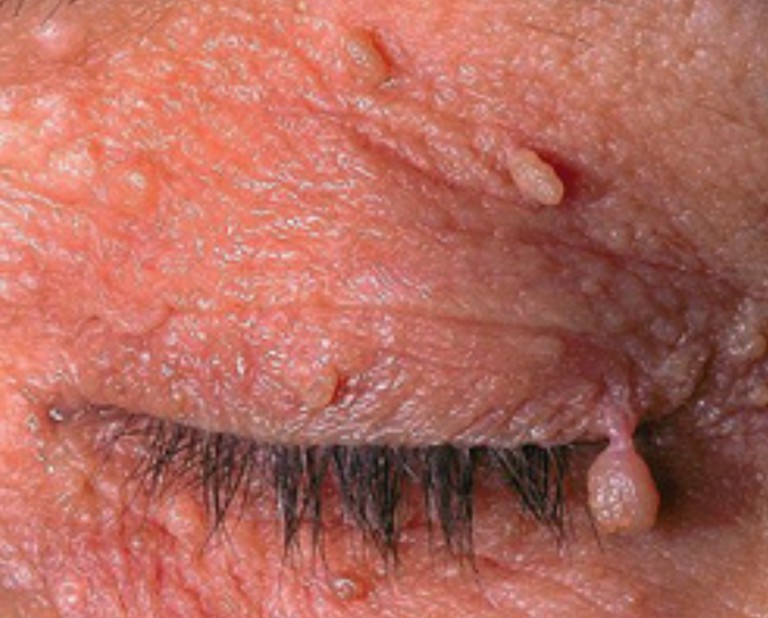
Friction and Rubbing
Friction is one of the most common triggers for facial skin tags. The skin generates additional cells when it experiences friction from rubbing against itself or external surfaces. On the face, this can happen in a few ways:
- The eyelids move across each other when we blink our eyes.
- The skin forms multiple layers which appear as folds near the neck and jawline areas.
- Glasses, face masks, and jewelry create rubbing effects on the skin.
Skin irritation that lasts for a long time will cause the body to produce more skin tags.
Genetics
Skin tags tend to occur more frequently in individuals whose family members also experience them. Certain people inherit a genetic predisposition to develop skin tags although they lack any additional factors that would increase their risk. The presence of multiple skin tags in your parents or close relatives indicates a strong likelihood that you will develop them too and they may appear on your face as well.
Hormonal Changes
Your skin cells rely on hormones to determine their growth and repair processes. Major hormonal changes in the body increase the likelihood of developing skin tags. This is why many people notice new tags during pregnancy or menopause. The skin becomes more sensitive because of these changes which results in the development of extra tissue in particular small areas.
Insulin Resistance and Metabolic Factors
Skin tags show a direct connection to insulin resistance according to medical research. People who have prediabetes or diabetes or metabolic syndrome usually develop multiple skin tags that appear together in clusters. Insulin resistance produces two primary effects on skin tissue because it prevents normal regeneration and leads to small clusters of collagen and skin cell growths.
The face area does not usually develop metabolic-related skin tags yet this condition can occur when friction exists.
Weight and Skin Folds
People who carry extra weight often experience more friction in certain areas. The skin develops folds which show up specifically at the chin area and along the jawline and neck folds. The extra rubbing increases the chance that skin tags will form. The combination of metabolic elements with these factors leads to an increased risk level.
Aging
The process of getting older results in skin thinning while also decreasing its ability to stretch. The skin becomes more prone to folding and rubbing and developing small growths because of these changes. Skin cell turnover also shifts with age, which may increase the likelihood of tags appearing on the face.
HPV Connection
Scientific research has identified a connection between specific HPV types and the development of skin tags. Skin tags do not have the ability to spread from one person to another. The evidence shows that HPV infection could contribute to the development of these conditions in particular cases. Science continues to investigate this relationship though it remains uncertain yet researchers consider it an important aspect to study.
Related Skin Concepts You Should Know
A few basic skin biology terms can help you understand why tags appear:
- Collagen overgrowth: Skin tags form when collagen bundles develop in a tiny area.
- Epidermal overgrowth: The top layer of the skin creates extra cells.
- Inflammation response: Small amounts of irritation can spark new tissue growth.
These changes aren’t harmful, but they explain why tags form so easily in certain spots.
Who Is Most Likely to Get Facial Skin Tags?
Skin tags can develop on anyone, but some groups are more likely to get them:
- People over age 40
- People who are overweight
- Individuals with diabetes or insulin resistance
- Pregnant women
- Anyone with a family history of skin tags
If you fall into one or more of these groups, you may notice tags appearing more often, including on the face.
When a Growth Isn’t a Skin Tag
Not every bump is a skin tag. In some cases, what looks like a skin tag might be something else, including:
- Moles
- Warts
- Seborrheic keratosis
- Skin polyps
- Benign growths that look similar
If a growth is dark, rapidly changing, painful or bleeding, it’s best to have a dermatologist confirm what it is before assuming it’s a skin tag.
How to Prevent Skin Tags on the Face
You can’t stop every skin tag from forming, especially when genetics or hormones are involved, but you can reduce the chances:
- Limit friction around the neck and face
- Use well-fitted glasses and avoid tight jewelry
- Keep the skin clean and dry
- Maintain a healthy weight
- Manage blood sugar if you have insulin resistance
- Moisturize gently to avoid irritation
Prevention isn’t perfect, but reducing irritation can make a noticeable difference.
Treatment Options for Removing Skin Tags on the Face
Skin tags are harmless, but many people prefer to remove them, especially if they’re in a visible or annoying spot.
Professional Treatments
Because the face is sensitive and prone to scarring, professional removal is usually the safest choice. The easiest, quickets and most common method of removal is cauterizartion.
- Cauterization: Using low voltage electricity and heat to snip tags off at the base. Using this method removes the tags but also prevents them from coming back in the same location.
These methods are quick and usually leave little to after effects when done correctly.
At-Home Removal Options
At-home skin tag removal kits exist, but they’re not ideal. The risk of scarring, bleeding or infection is higher in facial areas, especially around the eyelids. In addition, most at home methods do not lead to permanent removal. It’s best to leave facial skin tag removal to trained professionals.
When to See a Dermatologist
Consider seeing a dermatologist if:
- A growth changes color or shape
- The tag bleeds or becomes painful
- You’re not sure if it’s a skin tag
- The tag is near the eyes
- You want safe removal with minimal scarring
A quick visit can help you confirm what you’re dealing with and decide on the best removal method.
Final Thoughts
Understanding what causes skin tags on the face helps you make sense of why they appear and what you can do about them. Most facial skin tags come from friction, genetics, hormones or metabolic factors. While they’re harmless, they can be annoying, especially on visible areas of the face. Preventing irritation and taking care of your metabolic health can lower your risk, but professional removal is the safest choice when you want them gone.