
People frequently observe a tiny soft skin flap that shows up on their eyelid, neck area, and jawline, although they experience it. People commonly develop skin tags on their face, which pose no medical danger, but most individuals want to understand their original development process.
The guide provides complete information about facial skin tag development through regular skin rubbing and hormonal changes, and shows readers how to handle these growths.
What Is a Skin Tag?
A skin tag (medically called an acrochordon) is a tiny, soft, flesh-colored growth that hangs from the surface of the skin. These growths present themselves as small, painless bumps that have a smooth surface and measure only a few millimeters in size. Skin tags develop through the accumulation of collagen fibers and skin cells, which form a small pocket of skin.
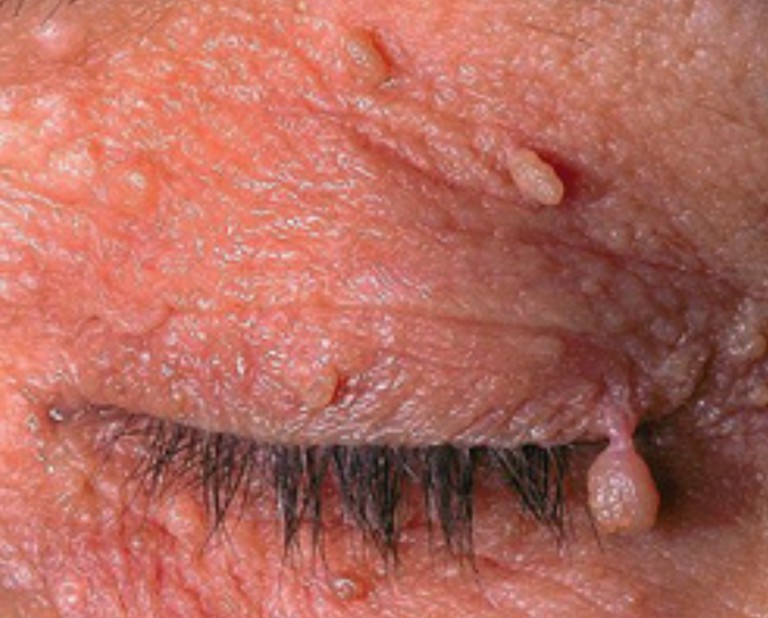
On the face, they most commonly appear on:
- The eyelids
- The neck and jawline
- Around the chin
- Near skin folds or creases
The condition exists without any ability to spread between people, and it does not develop into cancer while maintaining no impact on medical wellness. Scientists work to discover skin tag development mechanisms because this knowledge will assist in developing preventive measures to stop their growth.
What Causes Skin Tags on the Face?
There is rarely a single cause. Most skin tags develop because of a combination of factors, some within your control and some not.
1. Friction and Skin Rubbing
Skin tags on the face and other body parts develop because of friction, which serves as the primary cause for their appearance. The body produces additional cells when skin surfaces come into contact with other skin areas or when they touch outside objects.
The face experiences friction from these sources:
- Eyelids moving against each other
- Skin folding at the neck or under the chin
- Glasses frames pressing against the temples or nose
- Face masks, tight collars, or jewelry
The skin starts to develop small clusters of additional tissue, which creates skin tags after multiple episodes of skin irritation.
2. Genetics
Family history plays a significant role. The development of skin tags in your parents will increase your chances of getting them at some point. Some people naturally produce additional skin tissue through their genes, which forms in areas where their skin rubs against itself.
Your family shows skin tags, which appear in different generations because these growths must have a genetic link.
3. Hormonal Changes
The development of skin cells and their healing process depend on hormone systems, which control their functions. The body reacts strongly to hormone level changes, which happen during pregnancy and menopause, because these shifts create an environment that promotes skin growth.
Pregnant women usually discover skin tags during their second and third trimesters because their bodies produce the most hormones during these periods.
4. Insulin Resistance and Blood Sugar Imbalance
Research has established a clear link between skin tags and insulin resistance. Multiple skin tags develop on people who have prediabetes, type 2 diabetes, or metabolic syndrome, and these tags often form into clusters.
The body stops its normal skin cell renewal because insulin resistance causes the formation of tiny groups that contain both collagen and skin cells. The body receives most metabolic-related tags, but these marks also develop on facial skin, which already experiences rubbing in specific body parts.
Your doctor needs to check your blood sugar levels because multiple skin tags have appeared on your body.
5. Excess Weight and Skin Folds
Additional body fat leads to the formation of extra skin folds, which appear most prominently under the chin and along the neck and jawline. The development of skin tags becomes more likely because the skin surfaces touch each other at various points when multiple folds exist. The risk factors from this element create a multiplying effect when they combine with metabolic elements that already exist in the body.
6. Aging
During the process of aging, skin tissue becomes more fragile while the skin surface thins out. The skin develops more wrinkles because its folding ability has reached its limit, and its natural cell replacement process has become sluggish. The body develops perfect conditions for skin tags to emerge because of these changes, which makes them more prevalent after people reach their 40s.
7. Possible HPV Connection
Some research studies indicate that specific non-threatening HPV types might cause skin tags to appear on human skin. Skin tags develop independently from any contagious disease, which means they do not spread when people touch each other. However, HPV may be one contributing factor in why some people develop them more than others. Scientists continue to investigate the link between the two elements.
Who Is Most Likely to Get Facial Skin Tags?
While anyone can develop skin tags, certain groups are at higher risk:
- Adults over 40
- People who are overweight or obese
- Those with diabetes or insulin resistance
- Pregnant women
- Anyone with a family history of skin tags
Belonging to one or more of these groups doesn’t mean skin tags are inevitable — but it does mean you may want to pay closer attention to prevention.
Is That Growth Actually a Skin Tag?
Not every bump on the face is a skin tag. Similar-looking growths include:
- Moles — usually darker and more defined
- Warts — often rougher in texture
- Seborrheic keratosis — waxy, stuck-on appearance
- Skin polyps — may have a firmer base
If a growth is dark, changing shape, bleeding, or causing pain, do not assume it’s a skin tag. Have a dermatologist examine it to rule out anything more serious.
How to Reduce Your Risk of Facial Skin Tags
You can’t eliminate the risk, especially when genetics or hormones are involved, but these steps can help:
- Reduce friction by using well-fitted glasses and avoiding tight jewelry or face coverings
- Keep skin clean and dry, especially in fold-prone areas
- Maintain a healthy weight to reduce skin-on-skin contact
- Manage blood sugar levels if you have insulin resistance or diabetes
- Moisturize gently to minimize irritation without clogging pores
Small, consistent habits can meaningfully reduce how often new skin tags appear.
Treatment: How to Remove Skin Tags on the Face
Skin tags don’t need to be removed for medical reasons, but many people choose to have them removed for cosmetic or comfort reasons.
Professional Removal (Recommended for the Face)
Because the face is sensitive and prone to scarring, professional removal is the safest option. The most common and effective method is:
- Cauterization — Low-voltage electricity and heat are used to remove the tag cleanly at the base. This method is quick, precise, and reduces the chance of the tag returning in the same spot.
Professional treatments leave little to no lasting effects when performed correctly by a trained provider.
At-Home Methods (Use With Caution)
People can purchase removal kits from retail stores, but these products should not be used for eliminating facial skin tags. The skin that covers the face, together with the eyelids, requires special care because it remains extremely vulnerable. Medical procedures that people can perform themselves at home create the highest possibility of leaving scars while also risking infections and not achieving full removal. Most also do not prevent regrowth.
The face requires medical evaluation from a professional before any treatment can continue.
When to See a Dermatologist
Book an appointment if:
- A growth is changing in color, size, or shape
- The tag bleeds or causes pain
- You’re unsure whether the growth is actually a skin tag
- The tag is located near the eye
- You want removal with minimal risk of scarring
A dermatologist can confirm the diagnosis and recommend the most appropriate removal method for your specific case.
Final Thoughts
Skin tags on the face develop for a variety of reasons — most commonly friction, genetics, hormonal shifts, and metabolic factors like insulin resistance. Skin tags do not cause any medical problems, but they can be annoying because they form on parts of the body that people can see.
Research about these conditions provides people with effective methods to decrease their risk of developing these diseases. The combination of skin care maintenance with friction reduction and metabolic health preservation will produce beneficial results. Healthcare experts deliver the best skin tag removal results through their professional services, combining safety with high success rates.
People should see a dermatologist who knows their stuff when they need to confirm any skin growths or want expert dermatology guidance.