
Sun spots are one of the most common changes our patients notice as they get older. Most that get them have spent a lot of time in the sun. Understanding their appearance is valuable because this helps determine the right course of treatment.
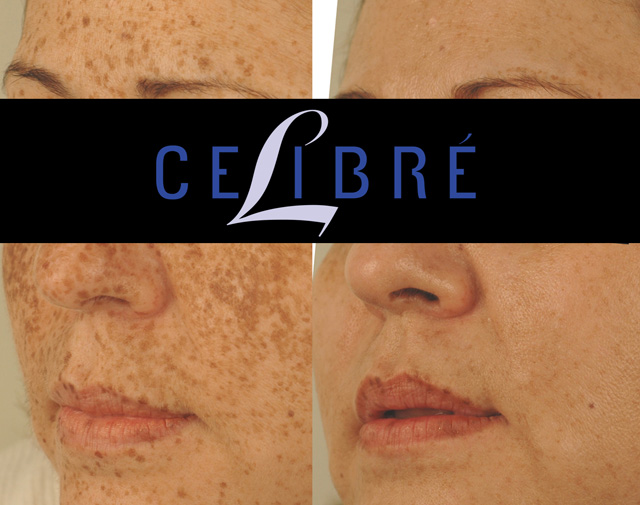
What are Sun Spots
Sun spots, often called solar lentigines, are flat patches that develop after years of UV exposure. The skin creates additional pigment to shield itself from the sun, which results in the formation of these noticeable brown spots. The spots typically form in the most sun-exposed areas. They can develop at any age but they tend to appear more frequently after age thirty.
How to Recognize a Sun Spot
Sun spots have several distinct visual markers.
Color:
They’re usually light to medium brown. Some look tan, and others look slightly darker. Usually they are uniform in color across the area. If the color changes within a brown spot are dramatic, it should be biopsied.
Size:
They can be as small as a freckle or as wide as a coin. Many start small and slowly become more noticeable. If the spot appears or grows very quickly, it needs to be biopsied prior to laser treatment.
Shape:
Most are round or oval with fairly defined edges. Typically they are not raised or irregularly shaped. If a brown spot is irregularly shaped with random borders, it should be biopsied.
Texture:
Sun spots are typically flat. They feel the same as the surrounding skin and don’t cause discomfort. A different form of sun damage, seborrheic keratosis, may have a rough and textured appearance.
Where Sun Spots Usually Show Up
They tend to appear in the areas that get the most direct sunlight. Common areas include:
- Face
- Hands
- Forearms
- Shoulders
- Upper chest
People who spend a lot of time driving, working outdoors, or tanning often see them earlier and in more locations.
How Sun Spots Look Compared to Other Spots
Some dark spots can appear similar when in fact they are very different. Below are a few different types of brown spots.
Freckles:
Freckles are largely genetic, but the sun can lead to the development of more of these small light spots which tend to get lighter during seasons when sunlight is not as strong.
Age spots:
This is another name for sun spots, and the terms are often used interchangeably.. They are also referred to as liver spots.
Melasma:
Melasma is a hormonally related condition that normally occurs in women. It appears as light brown patches of pigment on the cheeks, forehead and sometimes the upper lip. In contrast to age spots, these patches are typically larger and lighter in color. Although it is usually triggered by hormonal changes such as pregnancy and beginning birth control, it gets worse with sun exposure.
Post-inflammatory marks:
These marks, also considered dark (temporary) scars, develop as a result of acne, irritation or another skin injury. The marks typically start out being red or purple in color. Of medium and darker skin patients, this eventually transforms into brown pigment.
When a Brown Spot Might Not Be a Sun Spot
If the shape of a mark looks unusual to you, it needs to be carefully examined.
You should take note of the following:
- Changes in shape
- Irregularly shaped borders
- Darkens quickly
- Has multiple color tones
- Becomes raised, itchy or bleeds
The characteristics of this type of spot do not match typical sun spots which creates a need for a more thorough medical evaluation.
When to See a Provider
A professional evaluation becomes prudent when any of the following symptoms above are present.
How Providers Confirm If It’s a Sun Spot
A healthcare provider usually examines the area visually and may use a dermatoscope for a closer look. The screening system allows them to distinguish between common skin pigmentation and more concerning skin abnormalities such as skin cancer. Most of the time, the diagnosis is straightforward and requires no testing but in some cases a biopsy will be required.
Final Thoughts
Sun spots are common, and many of our Southern California patients develop. The ability to identify these signs effectively enables your healthcare provider to select proper treatment options. If you have uncertainty about any skin lesions then you should seek professional evaluation.