
Thinking about getting Botox? One of the most important decisions you’ll make isn’t about which area to treat, it’s about who gives you the injections.
Understanding who can give Botox injections legally and, more importantly, who is truly qualified to do so could be the difference between natural-looking results and a cosmetic outcome you’ll regret. Let’s break it all down.
Who Can Administer Botox? The Legal Requirements
In the United States, Botox is a prescription medication. That means only licensed medical professionals are legally permitted to administer it. The following providers are generally authorized to give Botox injections:
- Physicians (MDs and DOs)
- Nurse Practitioners (NPs)
- Physician Assistants (PAs)
- Registered Nurses (RNs)
These are the core practitioners who meet the baseline legal requirements to administer Botox across most states. However, the rules can vary significantly depending on where you live.
Who Can Inject Botox in California? State-Specific Rules
California has stricter regulations than many other states. If you’re asking who can inject Botox in California, here’s what you need to know: any non-physician injector must work within a practice that is either owned by or formally supervised by a licensed physician.
That physician must establish standardized procedures that all medical staff follow. This extra layer of oversight helps ensure a consistent, physician-directed standard of care even when the person holding the syringe is a nurse or PA.
If you’re in another state, it’s worth researching your local Botox regulations. Laws in Texas, Florida, Illinois, Arizona, and other states each have their own nuances regarding who can perform Botox injections.
Can Estheticians Give Botox Injections?
This is one of the most frequently asked questions and the answer is almost always no. Estheticians, cosmetologists, and medical estheticians are not licensed to inject Botox in any U.S. state.
Botox is an injectable drug that penetrates beneath the skin and affects the neuromuscular system. Administering it requires a medical license and a deep understanding of facial anatomy. Esthetic licenses simply don’t cover this scope of practice.
If someone at a beauty salon or spa offers you Botox, that is a red flag. Seeking injections from an unqualified individual is not only illegal, but it can cause serious harm.
Legal vs. Qualified: Why the Difference Matters
Here’s where many people get confused: being legally permitted to give Botox injections and being truly qualified to do so are two very different things.
A licensed physician is legally allowed to inject Botox, but if they have no hands-on training in facial aesthetics, their results may be no better than (or worse than) those of an experienced injector nurse.
The most important qualifications to look for in a Botox injector aren’t the letters after their name. They are:
- Extensive hands-on experience with Botox injections
- In-depth knowledge of facial muscle anatomy
- Formal training in cosmetic injection techniques
- A portfolio of before-and-after results you can review
- Practice under physician oversight (especially for non-physician providers)
Credentials matter, but experience and anatomical expertise matter more when it comes to achieving safe, natural results.
What Happens When Botox Goes Wrong – A Real-World Example
A common consequence of poorly administered Botox is what’s known as “joker eyebrows” where only the center of the forehead moves naturally, while the outer brows arch up unnaturally. It looks stiff, asymmetrical, and anything but refreshed.
This happens when an injector fails to assess the patient’s unique frontalis muscle anatomy the muscle responsible for lifting the brows. When only the inner portion of this muscle is treated, the untreated outer portion compensates by contracting more forcefully, pulling the outer brows upward.
The result? A telltale sign of bad Botox that’s immediately noticeable to others.
This kind of outcome is entirely preventable but only when the injector has the training and experience to evaluate each patient’s muscle structure individually before injecting a single unit.
What Qualifications Should a Botox Injector Have?
When evaluating who should administer your Botox, here are the key qualifications to look for:
Medical License & Scope of Practice
Your injector must hold an active medical license (RN, NP, PA, MD, or DO) and must be working within their licensed scope of practice and in compliance with state regulations.
Botox-Specific Training
Look for practitioners who have completed formal Botox injector training programs not just a weekend course, but comprehensive education in technique, anatomy, and complication management.
Physician Supervision (Where Required)
In states like California, non-physician injectors must work under direct or general physician supervision. Ask whether the practice has a medical director and what oversight protocols are in place.
Documented Experience & Before/After Results
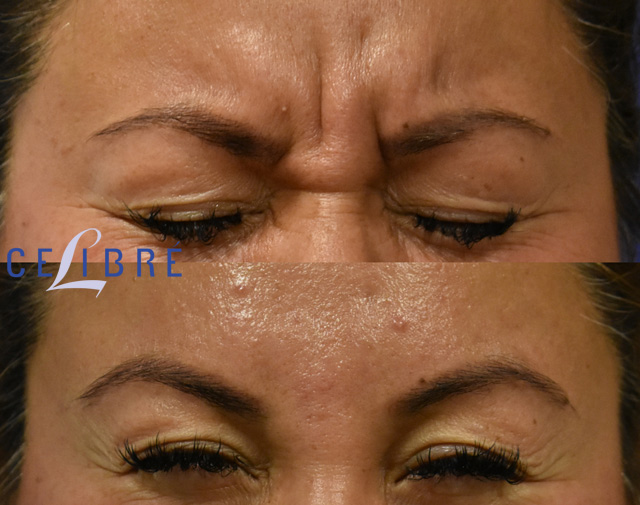
Ask to see results. An experienced, confident injector will have a portfolio of real patients. Look for natural-looking outcomes not frozen faces or uneven brows.
How to Choose the Right Botox Provider
Choosing who gives you Botox injections is a medical decision, not just a beauty one. Here’s how to vet your provider:
- Verify their medical license is active and in good standing
- Ask specifically about their Botox training and how many treatments they have performed
- Find out if a physician oversees the practice and reviews treatment protocols
- Request before-and-after photos of actual patients not stock images
- Trust your instincts during the consultation: do they take time to examine your anatomy?
A great injector will never rush you. They’ll examine how your muscles contract, discuss your goals, and explain exactly how they plan to treat you.
The Bottom Line on Botox Injector Qualifications
So, who can give Botox injections? Legally: licensed medical professionals including physicians, NPs, PAs, and RNs with varying state-specific rules around supervision.
But the better question is: who is qualified to give you the best possible results? That comes down to experience, anatomical knowledge, and the kind of careful, individualized assessment that separates a skilled injector from someone who simply holds the right license.
Take the time to vet your provider. Ask questions. Look at results. Your face deserves nothing less.
Frequently Asked Questions
1. Do you have to be a doctor to give Botox injections?
No, you don’t have to be a doctor to give Botox injections but you do need a medical license. Registered Nurses, Nurse Practitioners, and Physician Assistants are all permitted to administer Botox in most states, provided they meet state-specific supervision requirements.
2. Can estheticians do Botox?
No. Estheticians are not licensed to inject Botox in any U.S. state. Botox is a prescription injectable that requires a medical license and specialized training. Only licensed medical professionals such as RNs, NPs, PAs, or physicians are legally qualified to administer it.
3. Who is the most qualified person to give Botox?
The most qualified Botox injector is someone with extensive experience, deep knowledge of facial muscle anatomy, formal injection training, and who practices under physician oversight (if required by state law). Credentials help, but hands-on experience and anatomical expertise are the most critical factors for safe, natural-looking results.
4. What qualifications do I need to administer Botox?
To legally administer Botox, you need an active medical license (RN, NP, PA, MD, or DO), Botox-specific injection training, and, depending on your state, physician supervision or a standardized procedure protocol. Simply holding a medical license does not automatically make someone qualified; additional cosmetic training is essential.
5. Is Botox safe when administered by a nurse?
Yes, Botox can absolutely be safe and effective when administered by a trained, experienced nurse working within the proper legal framework. An RN or NP with specialized cosmetic injection training and physician oversight can deliver results just as good as (or better than) a physician who lacks aesthetic-specific experience. What matters most is training, experience, and anatomical knowledge not just the credential.