
Menu
Visible vascular networks on the legs, cheeks, and nose can be both physically frustrating and emotionally embarrassing. However, as spider vein before and after galleries consistently show, modern dermatological advancements have made these vessels easier to treat than ever before.
Whether you are looking at results for spider veins on nose before and after or seeking relief for lower extremity clusters, understanding the science behind the treatment is the first step toward clearer skin.


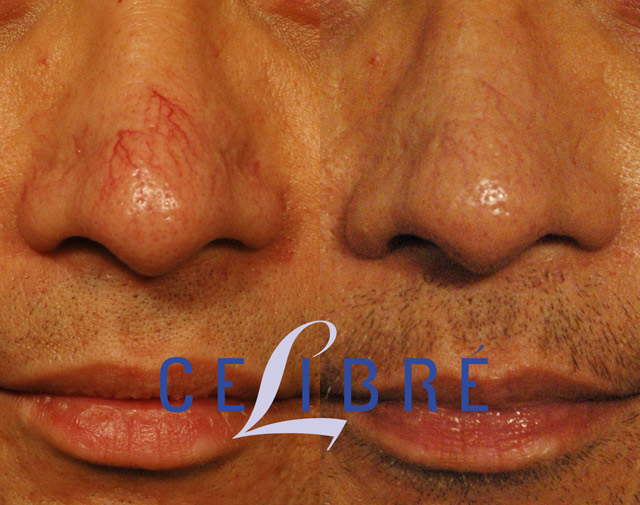
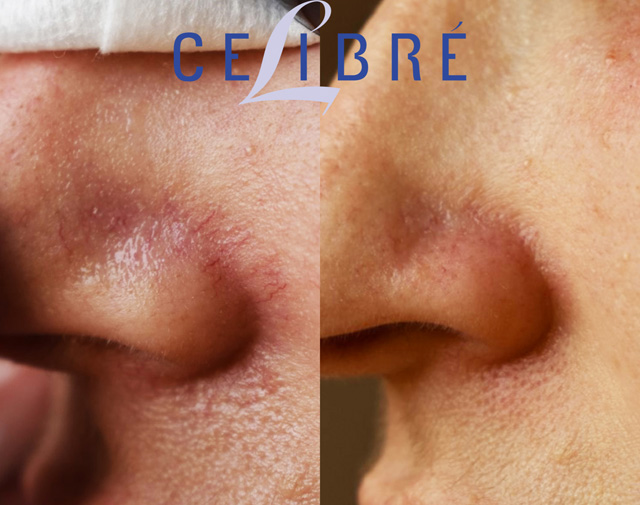
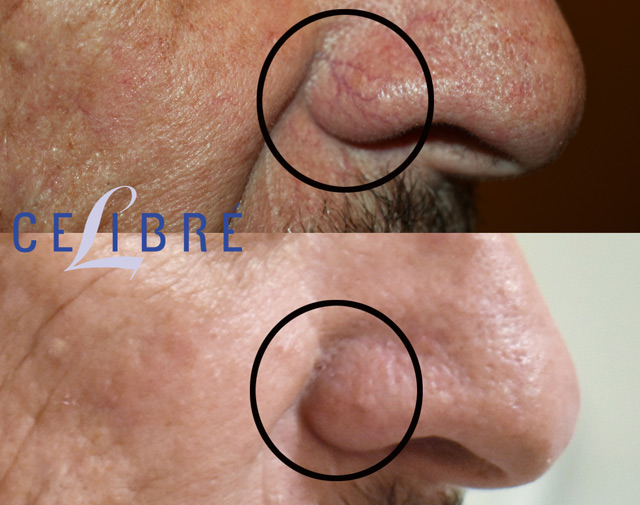
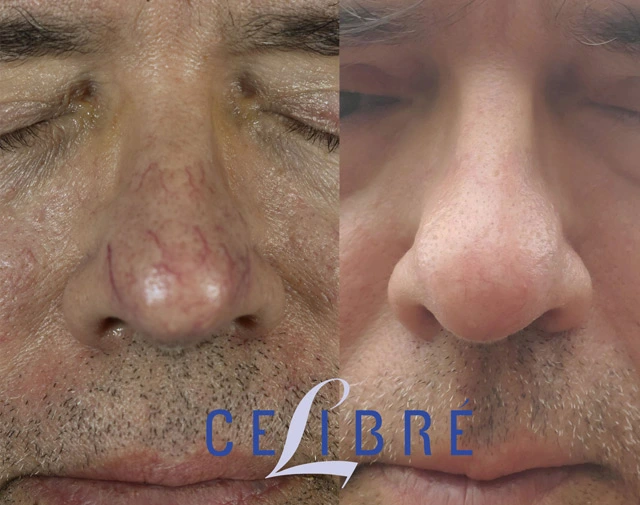
One of the most frequent questions patients ask is: Are spider veins hereditary? The clinical reality is that genetics are the primary driver. While lifestyle factors contribute, most patients are genetically predisposed to vascular weakness. For those with facial concerns, rosacea facial veins treatment often becomes necessary because rosacea-related flushing can permanently dilate small vessels if triggers aren’t managed.
Interestingly, the timing of these symptoms varies by location. Veins in the cheeks and nose are typically part of the natural aging process. In contrast, leg veins can appear much earlier in life. This is often due to the “valves” in the vessels failing to push blood back to the heart. This is why weight loss and leg veins have a strong correlation; reducing systemic pressure helps, and many patients ask, “can exercise improve leg veins?” the answer is yes, as it strengthens the calf muscles that assist in blood return.
Before choosing a procedure, it is vital to understand varicose vs spider veins differences. Spider veins are small, superficial vessels, whereas bulging varicose veins are a deeper structural issue that may require surgical intervention rather than simple injections or lasers.
In the debate of sclerotherapy vs laser for legs, the size of the vessel dictates the “Gold Standard” approach.
Whether you need treatment for 1mm leg veins or sclerotherapy for 2mm blue veins, modern techniques offer painless vein removal options that avoid the high cost of surgery associated with more invasive procedures.
Reviewing spider vein laser treatment results reveals a process of “resorption,” where the body naturally absorbs the treated vessel over several weeks. You may see a gradual spider vein disappearance after laser, though it rarely happens overnight.
Patients often ask, “how many sessions for spider veins” are required? Most protocols suggest 2-5 sessions depending on the severity. The facial vein removal recovery time is usually minimal, though patients should be briefed on potential sclerotherapy injections side effects such as minor bruising or temporary pigmentation.
It is crucial to remember that this is chronic vein condition management. There is no permanent “cure” because your body may form new vessels over time. This makes maintenance for spider vein removal a necessary part of your long-term skincare investment.
When searching for spider vein removal near me, it is essential to choose a spider vein removal specialist who provides transparent cost of spider vein removal information. While the spider vein removal cost per session is a factor, the quality of the technology and the expertise of the clinician are what ensure a successful outcome.
Before booking, we encourage you to read Celibre spider vein removal reviews to see why our patients consistently report high satisfaction with their clearer, healthier skin.