
People search for “what does rejuvenation mean” because they want to understand the definition of this term. The term “rejuvenation” exists as a standard term that skincare specialists, wellness providers, and aesthetic medical professionals use, but people still wonder about its true meaning.
The concept of rejuvenation means to bring something back to its original state of youthfulness, freshness, and vitality. The field of aesthetics and skincare uses rejuvenation as a treatment method, which helps patients achieve better skin appearance through wrinkle reduction, volume restoration, sun damage and discoloration, and aging sign elimination.
People who ask about facial rejuvenation want to know about methods that help them achieve better health, freshness, and restfulness without changing their actual facial appearance. The practice of facial rejuvenation helps people improve their authentic beauty while it works to restore skin health, energy, and equilibrium.
Multiple treatment choices exist at present, which include injectable procedures, together with laser systems, skin resurfacing techniques, and collagen production enhancement methods. The key is understanding which treatments work best for your goals.
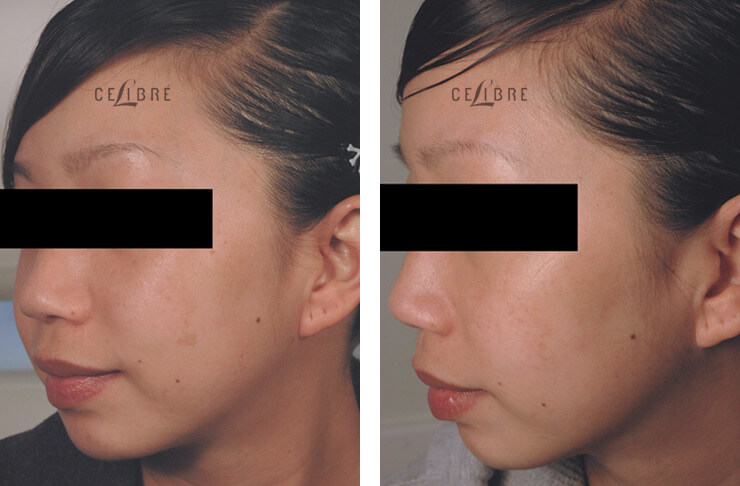
What Does Rejuvenation Mean in Medical and Aesthetic Terms?
Medical facilities use the term rejuvenation to describe their efforts for restoring patient health, together with renewing their bodily functions and improving their physical condition.
Medical professionals in cosmetic medicine use facial rejuvenation to treat age-related skin problems through personalized treatment plans that address typical facial aging signs.
- Fine lines and wrinkles
- Sagging or loose skin
- Uneven skin tone
- Brown spots and redness
- Acne scars
- Loss of facial volume
- Dull or tired-looking skin
Rather than using a single treatment, modern facial rejuvenation often combines several approaches to create balanced, natural-looking results.
This is why many providers view rejuvenation as a personalized process rather than a one-size-fits-all procedure.
What Is Facial Rejuvenation?
So what is facial rejuvenation exactly?
The term facial rejuvenation covers all medical treatments that help people achieve a youthful appearance through skin quality enhancement, improved facial structure, and better texture and tone.
People seek rejuvenation services because they want to reduce their wrinkles, but others want to improve their skin brightness, or they want to heal their acne marks. Patients who want to refresh their appearance prefer subtle changes that create noticeable effects without making them look completely different.
The best facial rejuvenation plans focus on subtle improvements that work together harmoniously.
Aesthetic clinics with experienced providers use three main treatment categories to deliver their rejuvenation services.
The Four R’s of Facial Rejuvenation Meaning
Skin professionals use four essential principles to explain facial rejuvenation meaning through their work on Relaxing, Refilling, Resurfacing, and Removal techniques.
The three elements function separately to enhance the way a person’s face looks.
1. Relaxing Wrinkles and Fine Lines
The development of expression lines serves as one of the primary indicators that prove that someone has entered the aging process.
The repeated motions of your face when you smile or frown or squint or raise your eyebrows will start to form wrinkles around your eyes and across your forehead and near your mouth.
Doctors use Neuromodulators, which include Botox and Dysport, to treat excessive muscle activity that leads to these wrinkles.
This approach can help soften:
- Forehead lines
- Crow’s feet
- Frown lines between the eyebrows
- Chin dimpling
- Downturned corners of the mouth
The goal isn’t to eliminate movement completely. Instead, skilled providers aim to create a smoother, more refreshed appearance while maintaining natural facial expression.
2. Refilling Lost Volume
The facial rejuvenation process requires particular emphasis on restoring facial volume which stands as a fundamental requirement.
The body produces less collagen while losing fat and elastic tissue which leads to skin deterioration when people reach their senior years.
The skin develops voids which lead to facial sagging and create deep wrinkles that form around the cheeks and mouth area.
The face receives structural restoration through dermal fillers which simultaneously restore its soft texture.
The treatment process focuses on specific body areas which consist of:
- Lips
- Cheeks
- Smile lines
- Marionette lines
- Under-eye hollows (tear troughs)
Products such as hyaluronic acid fillers help restore hydration and shape, creating a healthier and more youthful appearance.
This stage of rejuvenation focuses on balance and proportion rather than dramatic change.
3. Resurfacing the Skin
Skin rejuvenation meaning becomes clear to me through my research because resurfacing treatments form the main solution for this procedure.
The process of skin resurfacing delivers two main benefits because it improves the external skin surface while triggering collagen production within the skin tissue.
These treatments help patients solve their current health problems.
- Rough skin texture
- Enlarged pores
- Acne scars
- Fine lines
- Sun damage
- Uneven skin tone
Laser resurfacing provides deep skin renewal through its ability to remove surface imperfections while it stimulates collagen production beneath the skin surface.
The selection of resurfacing treatments between chemical peels and microneedling depends on individual skin characteristics and the desired treatment results.
The skin shows improved smoothness, brightness, and healthiness after proper resurfacing treatment.
4. Removal of Discoloration
The human body develops more visible skin redness and pigmentation spots, which people dislike as they grow older.
The skin shows signs of aging through brown spots, which result from sun exposure, broken blood vessels, skin redness, and irregular skin tones.
The treatment for skin rejuvenation requires the removal of discoloration because patients who want to improve their skin brightness and clarity need this specific procedure.
Treatments may target:
Laser systems, together with light-based technologies, help people achieve better skin appearance and even out their skin tone.
People can achieve a younger appearance by fixing their skin discoloration because this method does not modify their facial structure or bone composition.
Facial Rejuvenation Is Not One Size Fits All
One of the biggest misconceptions about rejuvenation is that everyone needs the same treatments.
In reality, your best approach depends on:
- Age
- Skin type
- Lifestyle habits
- Budget
- Downtime preferences
- Skin concerns
People in their twenties typically prefer preventive care combined with skin brightness enhancement, yet people in their fifties need treatment for wrinkles, volume reduction, and skin firmness improvement.
A skilled provider will assess your skin condition before they suggest treatment options that match your actual needs instead of following fads.
The customized strategy produces results that appear natural because it creates personalized solutions.
Why Experience Matters in Facial Rejuvenation
Patients who need treatment must focus on providers who have both professional skills and extensive experience in their medical field.
Medical professionals need to develop their technical abilities and artistic competencies for successful facial rejuvenation treatment. Medical professionals achieve their top results through their understanding of facial structures, together with their knowledge about skin conditions and their ability to link different treatment options.
A trusted consultation should include:
- A detailed skin assessment
- Discussion of your concerns
- Honest expectations about results
- Customized treatment recommendations
- Risks, downtime, and recovery information
Good rejuvenation should help you look like a fresher version of yourself—not someone else.
Final Thoughts: What Does Rejuvenation Mean?
So, what does rejuvenation mean?
Skin rejuvenation through aesthetic treatment works to bring back natural skin vitality, which produces fresh-looking, smooth skin with youthful attributes. The process of facial rejuvenation helps people achieve a refreshed appearance through four main techniques, which include wrinkle relaxation, volume restoration, skin resurfacing, and discoloration correction.
The most effective results appear when you use a customized strategy that unites your skin characteristics with your specific targets and your complete way of living.
People should focus on enhancing their natural appearance instead of chasing unrealistic standards of perfection during modern rejuvenation practices.
FAQs About Rejuvenation Meaning and Facial Rejuvenation
1. What does rejuvenation mean?
The process of rejuvenation brings objects back to their original state, which appears like their fresh and new condition. The term refers to skin treatments that help people enhance their skin health and appearance.
2. What is facial rejuvenation?
The practice of facial rejuvenation uses cosmetic procedures to treat wrinkles, skin texture problems, discoloration, and volume reduction that occur during aging.
3. What is skin rejuvenation meaning?
Skin rejuvenation refers to treatments that improve skin quality, texture, and tone while reducing signs of aging or sun damage.
4. Are facial rejuvenation treatments permanent?
The majority of medical procedures create results that last for a long time, but they do not provide permanent effects. The treatment requires patients to return for maintenance appointments, which help them maintain their results during future time periods.
5. Which facial rejuvenation treatment is best?
The selection of treatment depends on what you want to achieve, your current skin problems, your age, and your skin condition. A professional consultation can help determine the right approach.