
A cherry angioma exists as a tiny red skin lesion which shows up on most adults as part of the aging process. These growths are harmless although their appearance can confuse patients the first time they see them.
Most people worry when new red spots appear on the body or face, but cherry angiomas are common and rarely signal a serious condition. This guide presents information about the causes and growth patterns of cherry angiomas while explaining treatment methods and identifying moments when a dermatology consultation may be necessary.
What Cherry Angiomas Look Like
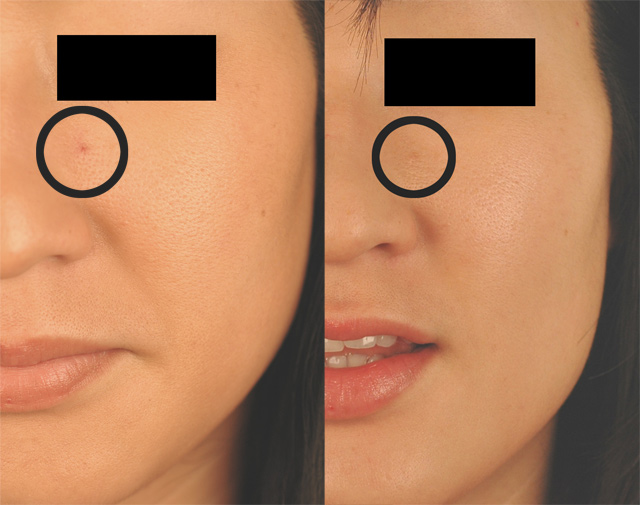
Cherry angiomas are bright red or burgundy bumps made up of tiny blood vessels. The moles exist as small circular shapes with smooth surfaces which typically measure 1-3 millimeters in diameter.
These raised red spots appear most often on the torso, chest, back, and shoulders, though they can also form on the face, arms or legs. Their color may appear brighter after heat or exercise because of increased blood flow. Angiomas produce no pain or itching sensations in most patients that have them.
What Causes a Cherry Angioma?
The exact cause of cherry angiomas remains unknown. Studies indicate that multiple elements lead to their formation. Age and genetics together with hormonal changes and medication use and environmental conditions create the complete picture.
The knowledge of cherry angioma causes enables you to comprehend the process behind their development and why certain individuals develop multiple growths.
Age-related Changes
Age seems to be the primary determinant which leads to the development of cherry angiomas. People start to see these changes after their 30th birthday.
The skin aging process leads to blood vessel deterioration which enables small vessel networks to develop into angiomas. New spots develop at a slow rate throughout multiple years.
The age-related increase follows a typical pattern which affects most individuals but does not indicate any medical condition.
Genetics
Genetics play a role in determining which factors lead to the development of cherry angiomas. If your parents had them, you are more likely to develop them too.
The production of angiomas and their early appearance in life tends to occur naturally within certain families. The exact genetic factors remain unknown but researchers have established clear patterns of inheritance.
The amount and dimensions of angiomas show significant variation between different members of a single family.
Hormonal Factors
Hormonal fluctuations in the body lead to the development of new cherry angiomas while also intensifying the appearance of existing ones. Pregnancy serves as the most frequent period when women develop new angiomas.
Certain hormone therapies have the ability to affect how blood vessels operate. The primary cause of new angioma development does not involve hormones yet they can boost the visibility of existing angiomas and trigger their formation.
The hormonal effects create more visible angiomas but they do not increase the risk of danger from these skin growths.
Environmental Factors
The development of cherry angiomas might receive small contributions from sun exposure. Angiomas become more probable to develop because UV light causes damage to blood vessels which leads to their deterioration.
The evidence shows that chemical exposure occurs in rare situations. New growths may develop because of industrial substances or topical substances that cause skin irritation.
The development of angiomas does not result from stress or diet but the condition of your skin affects how they look.
Medical Conditions
Most cherry angiomas are not related to illness. These skin growths do not pose any health risks because they are benign.
The sudden appearance of multiple angiomas occurs infrequently but it might indicate underlying liver disease or immune system alterations. These cases are uncommon but should be evaluated if new spots appear rapidly.
The natural aging process leads to the development of cherry angiomas in most healthy adults.
Medications
Medical treatments exist which bring about greater chances of developing cherry angiomas. The well-known drug Cyclosporine serves two main purposes as it treats organ transplant patients and individuals with autoimmune diseases.
The blood vessels and hormonal systems receive influence from various medications which produce different effects on the body. The appearance of new angiomas after starting medication treatment requires your doctor to determine if the medication serves as the cause.
Are Cherry Angiomas Dangerous?
Cherry angiomas exist as non-cancerous skin growths which show no tendency to develop into malignant tumors. The condition does not create any direct impact on a person’s health status.
The main concern is occasional bleeding if the spot is scratched or rubbed. This is usually minor.
Your healthcare practitioner needs to evaluate any sudden changes in color or size or shape to eliminate the possibility of different skin disorders.
Cherry Angioma Growth and Changes
Cherry angiomas experience gradual changes in color and size throughout different stages of life. The brightness of these bumps increases temporarily when exposed to heat or during physical exercise.
New angiomas start to develop on your skin during the aging process. The spots tend to stay on the skin but they rarely go away by themselves.
Treatment Options
Patients can choose treatment as an option when they want to improve their appearance or when their skin spots bleed often.
The most common procedure for removal is cauterization. The treatment method focuses on blood vessels within the angioma. Targeting the bump with low voltage electricity and heat closes the bundle of blood vessels, removing the lesion.
Prevention: What You Can and Can’t Control
Because age and genetics are the main causes, cherry angiomas cannot be fully prevented.
Sun protection together with proper skin care routines might decrease the pace of developing new growths but these growths will continue to appear in most individuals as time passes.
The easiest way to handle these changes involves treating them as normal aging processes.
When to See a Dermatologist
A dermatologist can confirm whether a red bump is a cherry angioma.
See a professional if:
- Many new angiomas appear suddenly
- One bleeds often or changes rapidly
- You want cosmetic removal
Professional evaluation ensures nothing serious is missed and provides peace of mind.
Conclusion
Patients experience lower levels of stress after they learn about the underlying factors which cause cherry angiomas and how to remove them. The development of this condition happens through a combination of genetic factors, medication use, exposure to specific environmental elements and hormonal changes in the body.
Practitioners use minor procedures such as electrocautery to eliminate cherry angiomas, which is performed for cosmetic purposes.