
Acne creates enough frustration by itself but the permanent skin damage after acne breakouts becomes an additional source of distress for several individuals. People who have seen their acne scars in the mirror want to understand the best ways to eliminate these marks. Multiple treatment options exist to help people who deal with acne scars which damage their skin and destroy their self-confidence.
The path to healthy skin begins with scar assessment which reveals your specific scar classification and treatment methods that will produce optimal results.
What Are Acne Scars?
The development of acne scars occurs when skin tissue sustains damage from inflamed blemishes which result in permanent skin damage. During the healing process, the body produces collagen to repair the damaged area. The body creates scars when it produces either insufficient or excessive amounts of collagen.
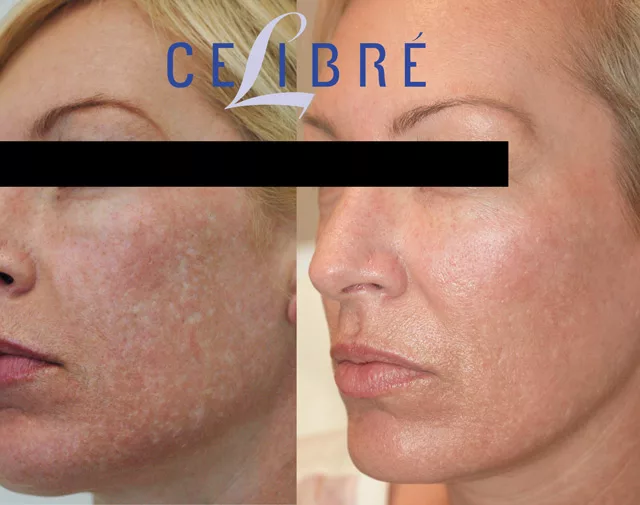
Acne scars develop into permanent skin changes which differ from the short period of dark marks and redness that people experience after their skin heals from acne.
The skin develops permanent changes because acne scars create surface alterations which show up as either raised scars or depressed scars.
Types of Acne Scars
Before learning how to treat acne scars, it helps to identify the type you have.
1. Atrophic Scars
These are depressed scars that sit below the skin surface. The most common type of acne scars include the following three categories:
Ice pick scars: Deep, narrow scars that look like small holes.
Boxcar scars: Wider depressions with sharp edges.
Rolling scars: Wavy depressions that create uneven skin texture.
2. Hypertrophic and Keloid Scars
These scars appear raised due to excess collagen production. They are more common on the chest, shoulders, jawline, and back.
The treatment results of various scar categories differ significantly from one another which makes it necessary to recognize your specific scar classification before starting treatment.
How Do You Treat Acne Scars?
The process of treating acne scars requires medical professionals to determine the scar severity and type and skin color characteristics of each individual patient. The following list presents several established treatment methods which have proven to be effective.
1. Topical Treatments
Treatment with creams which people can buy without a prescription or get from their doctor helps improve skin appearance for those who have mild acne scars and skin discoloration.
The list of popular ingredients includes:
Retinoids: These substances work to increase skin cell renewal and stimulate collagen synthesis.
Vitamin C: Helps brighten skin and reduce discoloration.
Alpha hydroxy acids (AHAs): These acids improve skin texture through their ability to remove dead skin cells during exfoliation.
Niacinamide: Supports skin repair and reduces inflammation.
Topical products will not achieve complete removal of deep scars but they help restore skin texture and enhance skin color through continuous use.
2. Chemical Peels
Chemical peels use acid-based treatments to remove damaged skin surfaces which appear on the skin.
This process promotes skin regeneration which helps reduce the visibility of shallow acne scars.
Light peels may improve discoloration, while medium or deep peels can help with more noticeable scarring. Dermatologists need to assess patients who have sensitive skin or darker skin tones because they face higher risks of developing skin irritation and pigmentation problems.
3. Microneedling
Microneedling has become one of the most popular treatments for acne scars. The treatment method uses small needles to create controlled skin injuries which trigger the body to produce more collagen.
The treatment method shows best results when treating rolling scars together with boxcar scars which have shallow depths. The treatment process requires multiple sessions before patients can see results but most individuals experience better skin smoothness after their first treatment.
4. Laser Treatments
Laser therapy serves as a common treatment method which doctors use to handle acne scars that range from moderate to severe in their intensity.
Common options include:
Ablative lasers: Remove damaged skin layers and promote new skin growth.
Non-ablative lasers: Stimulate collagen production without removing skin.
Laser treatments deliver substantial improvements to skin texture and scar visibility but patients must wait varying durations for their skin to heal depending on which treatment they choose.
5. Dermal Fillers
For depressed acne scars, dermal fillers may temporarily lift indented areas of skin, making scars less noticeable.
Results are often immediate, but fillers are not permanent and may require maintenance treatments.
6. Subcision
Subcision is a minor dermatological procedure used to treat rolling acne scars. The procedure uses a small needle to reach beneath the skin surface where it breaks up scar tissue which causes skin to sag.
The treatment shows better results when combined with microneedling and filler procedures.
7. Surgical Treatments
The medical team will recommend punch excision or scar revision surgery to treat scars which appear deep or resist standard treatment methods. These methods physically remove or reshape scar tissue for improved skin appearance.
Can You Naturally Treat Acne Scars?
People seek natural solutions to heal their acne scars through home-based treatment methods. People across the internet discuss about aloe vera and honey and rosehip oil and lemon juice as common skin care ingredients. Natural products which people use for skin care typically fail to remove actual acne scars despite their ability to reduce skin redness and boost skin moisture levels.
Professional treatments generally provide faster and more noticeable results for textured scars.
How Long Does It Take to See Results?
Acne scar treatment requires patience. Mild improvements from skincare products may take several weeks or months, while professional treatments often require multiple sessions.
Consistency is key. The proper skin care routine which dermatologists recommend together with daily sunscreen use will deliver better results for skin protection.
Tips to Prevent Acne Scars
Doctors find it easier to stop health problems from occurring than to handle them when patients show up for treatment. The following list presents different ways to decrease the chance of developing scars:
- Avoid picking or squeezing pimples.
- The prompt treatment of acne helps to decrease the swelling which occurs in the body.
- Use sunscreen daily to prevent discoloration.
- Follow a gentle skincare routine.
- The dermatologist should evaluate your condition when your acne breakouts continue to appear.
Final Thoughts
So, how do you treat acne scars? The answer depends on your scar type, skin condition, and treatment goals. Skin texture improvement and scar reduction become possible through multiple treatment options, which include topical creams and microneedling and laser therapy and professional medical interventions.
The best approach often involves a combination of treatments and professional guidance. The dermatologist will help you choose the right treatment plan which leads to improved skin texture and reduced acne scar visibility.