
Acne may go away, but the scars it leaves behind can affect confidence long after breakouts stop. If you’re wondering how to remove acne scars, you’re not alone. Many people search for effective ways to reduce acne marks, fade discoloration, and improve skin texture.
The good news is that acne scars can often be improved with the right treatment plan. Whether you have dark marks, deep acne scars, or uneven skin texture, there are proven ways to help your skin look smoother and healthier.
In this guide, we’ll explain how to get rid of acne scars, the different types of scars, and the best treatments backed by skincare professionals.
What Causes Acne Scars?
The skin tissue develops acne scars through the process of inflammation, which damages the skin during breakouts. The skin creates collagen during its natural process of self-healing. The body creates scars when collagen appears in amounts that exceed or fall below normal ranges.
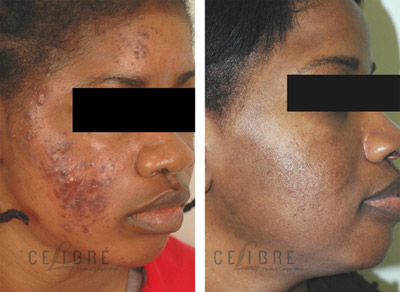
Several elements exist that make people more likely to develop acne scars:
- Severe or cystic acne
- The act of touching pimples to break them open
- The skin receives acne treatment at a slow rate
- Genetics and skin type
- The body experiences repeated episodes of inflammatory responses
People need to identify their specific scar types because different acne scars demand various treatment approaches.
Types of Acne Scars
Before learning how to remove acne marks, it helps to identify the type of acne scar affecting your skin.
Atrophic Acne Scars
These scars appear as depressions in the skin and are common after severe acne.
Types include:
Ice Pick Scars: Deep, narrow scars that extend into the skin.
Boxcar Scars: Wider scars with sharp edges that create uneven texture.
Rolling Scars: Wave-like depressions caused by tissue damage under the skin.
Hypertrophic Acne Scars
These raised scars happen when the skin produces excess collagen during healing.
Post-Inflammatory Hyperpigmentation (Acne Marks)
Many people confuse acne marks with scars. Dark spots or red marks left after pimples are technically pigmentation issues rather than permanent scars. The good news is they often fade faster with proper skincare.
How to Remove Acne Scars Naturally at Home
If your scars are mild, some at-home methods may help improve skin appearance over time.
Use Retinoids for Skin Renewal
Retinoids increase cell turnover and help improve skin texture. They may reduce mild acne scars and fade acne marks.
Look for ingredients such as:
- Retinol
- Adapalene
- Prescription tretinoin
Consistency matters. Results often take several weeks to become noticeable.
Vitamin C for Acne Marks
Vitamin C works to enhance skin brightness while it helps fade dark acne blemishes.
The treatment supports collagen development while delivering positive results for patients who want to eliminate their discoloration-related acne scars.
Sunscreen Is Essential
Sunscreen serves as the forgotten essential step which people need to protect their skin during acne scar treatment.
Sun exposure causes scars and acne marks to develop into darker and more visible blemishes. You need to use a broad-spectrum SPF 30 sunscreen or higher every day because it protects your skin even when you stay inside near windows.
Gentle Chemical Exfoliation
The application of alpha hydroxy acids (AHAs) and salicylic acid in products helps people achieve better skin texture while fading their superficial scars.
The skin becomes more irritated through harsh scrubs which also make the existing inflammation in the skin worse.
Professional Treatments to Get Rid of Acne Scars
For moderate to severe scars, professional treatments often deliver better and faster results.
Chemical Peels
Chemical peels remove damaged outer skin layers and encourage skin renewal.
They can help with:
- Acne marks
- Mild acne scars
- Uneven skin tone
- Texture issues
Multiple sessions may be needed depending on scar severity.
Microneedling for Acne Scars
The practice of microneedling stands as an effective natural treatment which helps people reduce their acne scars.
The skin receives controlled micro-injuries through tiny needles which trigger the body to produce more collagen. The treatment system works to improve skin texture while it minimizes deep acne scars through its progressive operation.
Microneedling stands as a recommended treatment method which dermatologists suggest for people who have rolling and boxcar scars.
Laser Treatment
The procedure of laser resurfacing produces better visual results when it comes to treating acne scars.
Different lasers target:
- Redness
- Pigmentation
- Deep texture issues
- Collagen rebuilding
The laser treatment delivers effective results but patients need to wait between sessions while they finish their complete treatment series.
Dermal Fillers
You can achieve instant skin smoothness by using temporary fillers to treat deep scars which create indented marks.
The maintenance program requires patients to receive ongoing treatment sessions.
Subcision
The medical method of Subcision serves as the main treatment option which doctors use to address rolling acne scars. The dermatologist performs scar tissue separation under skin surface to decrease skin tension while enhancing skin surface quality.
How Long Does It Take to Remove Acne Scars?
One of the most common questions people ask is: Can acne scars go away?
The answer depends on the type and severity of the scar.
- Mild acne marks: 3–6 months
- Moderate scars: Several months to a year
- Deep acne scars: May require multiple treatments
Patience is important. Skin healing takes time, and dramatic overnight results are uncommon.
Tips to Prevent Future Acne Scars
If you’re trying to get rid of acne scars, preventing new scars should also be a priority.
Here’s how:
Avoid Picking Pimples
Picking increases inflammation and raises the risk of permanent scarring.
Treat Acne Early
The sooner acne is controlled, the lower your risk of developing scars.
Maintain a Consistent Skincare Routine
Stick to non-comedogenic skincare products and avoid overly harsh ingredients.
See a Dermatologist for Persistent Acne
If over-the-counter products are not working, professional guidance can prevent long-term skin damage.
What Is the Best Way to Remove Acne Scars?
The selection of appropriate treatment depends on which type of skin you have and the extent of your scar damage.
Skincare products which contain retinoids and vitamin C help people who have light acne scars. The treatment of deep scars requires professional methods which include microneedling and laser therapy and chemical peels to achieve better outcomes.
The first step requires you to see a dermatologist because they will develop a personal treatment plan which suits your needs.
The process of scar healing needs repeated treatment because it requires ongoing work to achieve successful results. The skin will develop better texture and improved health through proper treatment methods.
FAQs About How to Remove Acne Scars
1. Can acne scars be removed permanently?
The visibility of acne scars can decrease through treatment but full elimination depends on the type of scar and the treatment approach used.
2. What is the fastest way to get rid of acne scars?
Professional skin treatment options which include laser resurfacing and microneedling and chemical peels deliver quicker results than using home-based remedies.
3. How do I remove acne marks naturally?
The natural fading process of acne marks occurs when you use vitamin C together with retinoids and niacinamide and apply sunscreen protection.
4. Do acne scars go away on their own?
Acne scars which appear mild will disappear without treatment but severe acne scars need medical procedures to show visible changes.
5. Which treatment works best for deep acne scars?
Doctors recommend Microneedling and laser treatments and filler injections and subcision based on how the deep acne scars appear on the skin.