
Poikiloderma exists as a common dermatological condition which develops from extended exposure to sunlight and the natural aging process of human skin. The skin shows these symptoms through a mix of red and brown spots together with uneven skin color and enlarged blood vessels and modified surface appearance. The body develops these changes most strongly on skin surfaces which experience regular sun exposure especially on the neck and upper chest and occasionally on the facial skin.
The treatment methods for poikiloderma depend on which specific skin changes you need to address. The treatment of poikiloderma requires multiple approaches because the condition produces both vascular redness and brown pigmentation. Scientists apply laser and light-based treatments to eliminate various skin color variations which this condition produces. People should protect their skin from sun exposure to prevent additional damage.
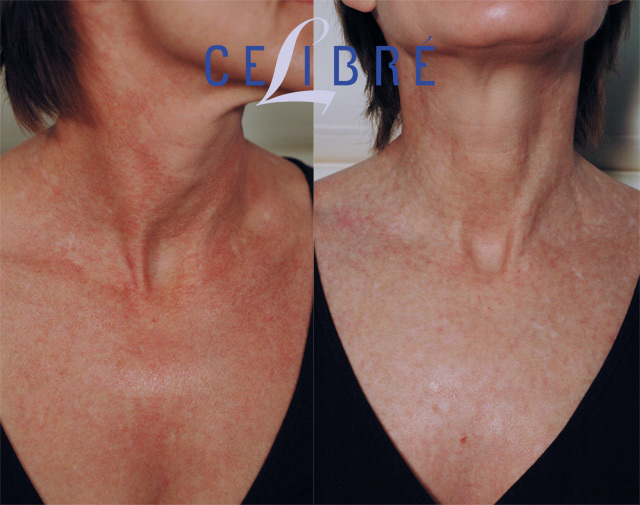
What Is Poikiloderma?
Poikiloderma refers to a skin condition which produces a distinctive pattern of skin alterations that includes redness together with brown spots and visible blood vessels and modified skin surface appearance. Photoaging develops when people spend extended periods under the sun which results in the development of this condition.
Poikiloderma of Civatte represents the most common form which develops on the neck sides and chest upper area. The skin under the chin seems to escape most damage because it stays out of direct sunlight which contains ultraviolet (UV) radiation.
The condition produces an uneven skin pattern because it causes multiple skin alterations to appear together. The skin shows two different reactions to this condition because some people develop red marks while others get brown spots on their skin. The medical condition shows up through two different types of symptoms which happen together in most patients.
What Causes Poikiloderma?
The body becomes vulnerable to ultraviolet radiation because this exposure continues for extended periods. The skin will develop damage from sun exposure which leads to color alterations and visible blood vessel changes in the upper skin layers.
People tend to recognize red skin because it shows blood vessels which appear near the skin’s surface. The skin shows brown spots which create an uneven pattern when excess pigmentation develops in an irregular manner.
The natural process of aging will create these changes in addition to other factors. The skin develops visible sun damage because collagen and elastin levels decrease during aging and people spend more time outside.
Because sun damage develops gradually, poikiloderma may become more noticeable later in life, especially in people who have spent significant amounts of time outdoors without consistent sun protection.
How Is Poikiloderma Treated?
So, how is poikiloderma treated effectively? Medical professionals select the right treatment approach based on whether patients show redness or brown pigmentation or skin texture alterations or any combination of these symptoms.
Different wavelengths of light trigger skin color changes because each hue reacts with particular light frequencies. Skin treatment for poikiloderma requires multiple laser and light-based technologies because skin colors need different treatment approaches.
The selection of a vascular laser depends on treating blood vessels and skin redness while a pigment laser becomes necessary to treat brown skin discoloration. The provider needs to treat each component separately because this method enables them to develop a specific treatment strategy.
The skin evaluation process by professionals must occur before any treatment can begin. The selection of technology depends on how skin reacts, its natural color, the level of sun damage, the area being treated, and the patient’s medical background.
Pulsed Dye Laser for Redness
Pulsed dye lasers function as standard treatment for patients who need help with their vascular skin problems. These lasers target hemoglobin because it stands as a blood vessel pigment which creates the red color in vessels.
The treatment of poikiloderma’s red element with lasers works by delivering energy which blood vessels at the surface level absorb while doctors maintain tissue safety during the procedure. The body will eliminate the treated vessels which leads to decreasing visibility of the treated redness as time progresses.
The number of treatment sessions will depend on how severe the condition appears to be. Medical practitioners adjust the number of sessions for each patient because they assess how severe the redness appears and how patients respond to their first treatment session.
The body might experience short-term skin redness or puffiness after people undergo specific vascular laser treatments. The recovery time between patients depends on their medical devices together with the specific parameters which doctors apply during their treatment sessions.
Laser Treatment for Brown Pigmentation
The treatment of brown discoloration requires a separate approach because melanin pigmentation needs different care than blood vessel expansion.
Certain medical devices which include Q-switched lasers serve as suitable treatment options for patients who experience unwanted brown skin pigmentation. The laser energy targets pigment in the treated area, allowing the body to gradually clear the affected pigment particles.
This treatment method works to lower the severity of skin discoloration which occurs from sun damage.
The treatment methods need to vary because doctors need to handle each type of pigmentation with suitable care. Medical experts need to assess skin tone and identify the fundamental reason for skin discoloration before they can select the appropriate laser treatment. Medical professionals with experience in skin assessment need to check the affected area before they can select the right treatment approach.
Can Multiple Lasers Be Used for Poikiloderma Treatment?
Yes. Because poikiloderma often involves both red and brown discoloration, combination treatment may be appropriate.
Medical lasers function to target particular skin structures and chromophores which exist within the skin tissue. The laser which treats vascular redness effectively does not work well to handle brown pigmentation.
The use of various laser systems enables doctors to treat every aspect of the condition through targeted medical approaches. The treatment plan should begin with the most urgent issue before starting the remaining skin discoloration treatment during following appointments.
The medical team needs to create a treatment sequence which should start with patient skin evaluation and treatment objective assessment to build their initial program.
Can Poikiloderma Treatment Improve Skin Texture?
The laser treatments which target visible discoloration perform additional skin damage repair functions that restore sun-damaged skin to its original condition.
The skin develops new collagen through laser and light-based treatments which activate its natural remodeling process. Collagen stands as a vital structural protein which maintains skin firmness and texture.
The assessment results show technology-based differences because they work better on skin that needs minimal damage restoration. The skin rejuvenation process needs extra resurfacing treatments when patients want to fix their skin texture problems and roughness issues.
Is There Downtime After Poikiloderma Treatment?
Downtime depends on the type of treatment, laser settings, and individual skin response. The healing period after non-ablative laser and light-based treatments stays short because these procedures present less tissue damage than the more intensive skin resurfacing methods.
Patients might experience short-term skin redness together with mild swelling and increased sensitivity and darkened pigmentation after treatment. The skin shows better improvement through its natural healing process.
Medical professionals need to explain patients about treatment expectations before they start their procedures and they must provide suitable care guidelines after treatment. The healing process will receive support from these guidelines which also protect you from developing unexpected medical problems.
How Many Treatments Are Needed?
Medical professionals have not yet determined the exact number of treatments which prove effective for poikiloderma patients. The number of treatment sessions required to achieve results varies between patients because some people need multiple sessions while others see results after their first treatment.
The total number of treatment sessions depends on various elements which include the severity of redness and pigmentation characteristics and the treated skin area dimensions and individual skin characteristics and patient goals for treatment outcomes.
The first step to create a personalized treatment plan involves patients who should see an experienced laser provider for their consultation.
Can Poikiloderma Come Back After Treatment?
The red spots and pigmented areas which already exist become better through laser treatment but these treatments do not stop future skin damage from sunlight.
The human body develops new skin pigmentation and blood vessel changes because of extended exposure to ultraviolet light. People need to protect their skin from sunlight every day because poikiloderma treatment results require this protection to last.
People can defend their skin which received medical treatment through three basic approaches: they should apply sunscreen with wide protection range and they need to wear clothing that blocks sunlight and they need to stay away from direct sunlight whenever possible. The medical staff must provide patients with specific guidance about which skincare products to use and which maintenance treatments they should receive.
Choosing the Right Poikiloderma Treatment
Medical professionals need to evaluate your skin when you observe both red and brown spots appearing on your neck and chest and face to determine if poikiloderma causes these skin changes.
A medical professional with experience will assess your skin problems by studying vascular elements and pigment distribution and texture patterns to develop an appropriate treatment approach. The selection of appropriate laser devices for each treatment area remains essential because various laser systems perform different functions which helps achieve desired outcomes while reducing potential harm.
Frequently Asked Questions About Poikiloderma Treatment
What is the best treatment for poikiloderma?
The best treatment depends on the type of discoloration present. Doctors use vascular lasers to treat red skin with visible blood vessels but they select pigment-targeting lasers and other light-based devices to handle brown skin discolorations.
Is laser treatment effective for poikiloderma?
Doctors perform laser and light-based treatments to reduce the visible vascular and pigmentation changes which appear in poikiloderma patients who meet the proper selection requirements. The treatment results will vary because of individual skin characteristics and the degree of condition progression and the specific technology used.
Is poikiloderma treatment painful?
People experience different levels of discomfort during their medical treatments. Patients undergoing laser procedures will experience various sensations including warmth and tingling and a short-lived snapping sensation. Cooling systems and other comfort measures may be used when appropriate.
Can poikiloderma be permanently cured?
The treatment process helps existing skin discoloration become more attractive but fresh skin damage will appear when people spend time in the sun. You need to protect your skin from sun exposure every day to keep your results.
How is poikiloderma treated when both red and brown discoloration are present?
The treatment for patients with both vascular redness and brown pigmentation requires a combination of different therapeutic methods. Multiple laser systems exist for treating various body regions through specialized equipment which targets each body area separately.
Final Thoughts
Medical professionals create poikiloderma treatment plans through their assessment of the patient’s specific condition elements. The treatment for red vascular changes and brown pigmentation needs different laser technologies because these conditions require separate approaches. The treatment of textural issues needs multiple treatment approaches to achieve successful results.
Medical professionals need to create individualized poikiloderma treatment plans which will treat sun damage symptoms while they assess each patient’s skin type and their specific needs. The daily practice of sun protection helps people avoid extra UV harm which leads to better long-term results.
Medical doctors who specialize in dermatology need to evaluate your neck and chest and face skin when you experience redness or brown spots or uneven skin surface to provide proper diagnosis and treatment plans.