
Thinking about laser hair removal but unsure what to expect afterward? You are not the only person who shares this concern. It makes sense to learn about possible treatment side effects before you start treatment because laser hair removal operates safely for most people yet delivers actual thermal power to your body surface. The ability to recognize normal skin changes helps people stay calm while they acquire essential information about their skin condition.
How Laser Hair Removal Works (and Why Side Effects Happen)
The process of laser hair removal creates specific side effects which require understanding of the treatment process to understand their appearance. The laser beam targets the hair follicles by directing its energy toward the melanin pigment which exists in your hair follicles. The treatment process requires sufficient damage to hair follicles which prevents hair growth but should not generate dangerous heat that affects nearby skin areas.
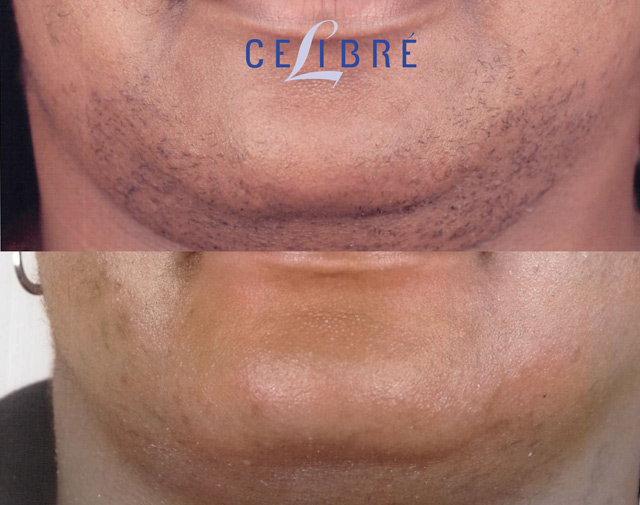
The way your skin responds depends on three main factors which include the practitioner’s expertise and the equipment quality and your personal skin characteristics.
Normal Reactions After Laser Hair Removal
Follicular Edema: The “Ant Bite” Reaction
The medical condition known as follicular edema which people call perifollicular edema serves as the primary indicator that your treatment has started to work. The follicles take in heat which causes them to expand into small raised bumps that resemble both ant bites and mild hive reactions.
This is a good sign. The laser energy successfully reached the target follicle during the procedure. The skin develops this reaction within minutes after treatment which appears most strongly in areas with dense hair growth. The bumps will stay on your skin for about two days to several hours before disappearing which represents typical behavior.
A few tips for managing follicular edema:
- Avoid shaving for 2–3 days after treatment, as the skin is sensitive
- Apply hydrocortisone cream to soothe any discomfort
- Cool compresses help patients by reducing their swelling and providing relief from their symptoms.
Redness and Skin Sensitivity
The body shows two primary responses to laser hair removal which include follicular swelling and skin redness. Your skin responds naturally to the thermal energy which the treatment provides. Most patients find the redness clears up within 30 minutes to 24 hours. The body reacts to this situation through a sunburn-like response which disappears after a short period.
Skin irritation after laser hair removal is normal and typically mild. Your skin will heal better when you use gentle skincare products and avoid sunlight exposure on the treated area.
Laser Hair Removal Reactions That Are NOT Normal
The medical condition of follicular edema together with redness appears as normal symptoms but particular reactions indicate that a problem has occurred. Burns and blisters form as abnormal skin responses which occur after laser hair removal procedures. The skin receives damage when thermal energy exceeds the follicle boundaries because this results in blister formation and scab development and severe burn injuries.
Why Burns and Blisters Happen
Understanding the causes can help you avoid them:
1. Improper laser fluence (energy settings).
If the energy settings are too high for your skin type, the heat can overwhelm the skin’s ability to absorb and dissipate it safely.
2. Incorrect laser technology for your skin tone.
Not all lasers are suited to all skin types. Using the wrong device especially on darker skin tones significantly increases the risk of burns. This is one of the most common causes of laser hair removal complications.
3. Being too tan at the time of treatment.
Laser hair removal works by targeting melanin. When you’re tan, your skin has more melanin than usual. This can confuse the laser and cause it to target the skin surface rather than the follicle increasing the chance of a bad reaction to laser hair removal.
4. Inadequate cooling.
Most professional laser devices include built-in cooling systems to protect the surface of the skin during treatment. If cooling isn’t functioning correctly or isn’t used at all burns can result.
5. Unknown or unpredictable individual factors.
Even when everything is done correctly, rare and unwanted side effects can sometimes occur. This is why a patch test before your first session is always a good idea.
Minimizing Your Risk: What to Do Before Treatment
The best way to avoid negative laser hair removal side effects is to prepare carefully:
- Avoid sun exposure and tanning (including self-tanner) for at least 4 weeks before treatment
- Shave the treatment area 24–48 hours beforehand never wax or pluck
- Disclose all medications to your provider, as some increase photosensitivity
- Request a patch test if you have any concerns or are new to laser treatment
- Choose an experienced, qualified practitioner who will assess your skin tone and hair type before selecting the right device and settings
Laser hair removal is one of the most effective methods for long-term hair reduction but it’s only as safe as the hands performing it.
Is Laser Hair Removal Safe?
A trained professional who operates proper technology at the right time will make laser hair removal safe for most individuals. Most people will experience short-lived mild side effects from laser hair removal which include redness and swelling and follicular edema. The occurrence of severe burns and blisters remains rare because these injuries can be avoided through proper preventive measures.
The procedure includes certain risks which do not reach the level of complete safety. Healthcare providers need to perform full assessments before starting treatment because patients should learn about their treatment choices and their medical staff must prove their competence level.
Frequently Asked Questions
1. How long does follicular edema last after laser hair removal?
The small elevated bumps which doctors call follicular edema will stay visible after treatment for between two days and several hours. The body shows this natural response because the laser reached the hair follicles which scientists wanted to target.
2. Is redness after laser hair removal normal?
Yes. Redness appears as a standard skin response which occurs after people get laser hair removal treatments. It usually resolves within 30 minutes to 24 hours. You should call your doctor if you experience severe redness with pain that lasts more than two days or if the redness continues past the first 48 hours.
3. What causes blisters after laser hair removal?
The appearance of blisters following laser hair removal treatment shows that the skin received too much heat energy which extended past the hair follicle into the outer skin layers. The procedure can result in problems because of wrong energy levels or using the wrong laser for your skin or because you recently tanned or because your skin did not get enough cooling during the treatment.
4. Can laser hair removal damage your skin permanently?
Permanent skin damage from laser hair removal is rare when treatment is performed correctly. The body develops temporary side effects which include redness and swelling and follicular edema as part of the reaction. The treatment process only leads to scarring or pigmentation changes when medical staff fail to perform the procedure correctly or when they use unsuitable equipment.
5. How can I soothe my skin after laser hair removal?
You should apply a cold compress or ice pack that you wrapped in a cloth to the treated area for pain relief after your procedure. The use of fragrance-free aloe vera gel or hydrocortisone cream will help you achieve this. You need to avoid all forms of heat exposure including saunas and hot showers for the first 24 to 48 hours after your procedure. You must avoid direct sunlight exposure during this time period. You need to wait for 2 to 3 days before shaving because your skin remains very delicate.